


Summary:
- High-dose zinc supplements impede magnesium absorption
- Stress depletes magnesium
- Alcohol consumption can result in magnesium loss
- Supports migraine management
- Aids in DNA repair and potential cancer prevention
Solutions/Shop:
Magnesium For Longevity
Have you ever wondered why, despite your best efforts, you still feel fatigued, stressed, or prone to muscle cramps? The answer might be simpler than you think. Magnesium, an often-overlooked mineral, plays a vital role in your overall well-being. It’s not just about popping a multivitamin – understanding how to be more mindful of your magnesium intake could be the key to unlocking a healthier, more balanced life. Let’s delve into the essential role of magnesium for longevity and wellness and discover the easiest ways to ensure you’re getting enough.
Read more: Why Magnesium Matters…, Where Did All My Energy Go?
Magnesium Absorption: The Basics
Magnesium ensures everything runs smoothly. But how to be sure you’re getting enough? Let’s talk about magnesium absorption. Factors like diet composition and the presence of other minerals, like zinc, can affect how well your body absorbs magnesium. The easiest way to optimize magnesium absorption? Balance is key. Don’t go overboard with high-dose zinc supplements as they can inhibit magnesium absorption. Staying on top of your intake is especially important as magnesium deficiency signs can be subtle—like fatigue, irritability, or muscle twitching.
Electrolyte Balance and Hydration
What is magnesium’s role in your body’s hydration? It’s crucial for maintaining a healthy electrolyte balance and preventing dehydration. Magnesium regulates the body’s electrolytes, which are vital for nerve impulses, muscle contractions, and a steady heart rhythm. These benefits make magnesium for longevity a worthy investment in your long-term wellness.
Try: Perfect Amino Electrolytes, Electrolyte Fast Chews, Buoy Liquid Drops, Zero-Sugar Electrolyte Powder
Read more: Post-Workout Nutrition…
The Impact of Diet and Supplements
Our modern diet is often lacking in magnesium, leading to common deficiencies. Magnesium deficiency signs include fatigue, nausea, weakness, and even numbness or abnormal heart rhythms in more severe cases. How to increase your magnesium intake? While magnesium improves skin barrier function and hydration, look deeper into the hype around Epsom salts for muscle cramps—there’s a lack of solid scientific backing for that. Instead, focus on a balanced diet rich in magnesium to support overall health and vitality.
Try: Vitamin D3 + K2
Unlock the power of magnesium for longevity, to combat stress, improve hydration, balance electrolytes, and support DNA repair—simple steps to enhance your vitality and longevity every day.
Alcohol and Magnesium: A Tricky Relationship
Here’s a sobering fact: alcohol acts as a diuretic, increasing the rate at which your body excretes magnesium. This diuretic effect leads to higher magnesium losses through urine. So, while enjoying your favorite drink, remember it might be depleting your magnesium reserves. Tips to combat this? Hydrate well and balance your intake with magnesium-rich foods to avoid magnesium deficiency signs.
Read more: Longevity Action Plan…
Stress and Magnesium Depletion
Stress is a magnesium thief. When you’re stressed, your body releases hormones that deplete magnesium levels, as your body uses up more magnesium to manage stress reactions. How to be more mindful of your magnesium levels during stress? Managing stress is not just good for your mind but also essential for maintaining your magnesium levels. Chronic stress, paired with magnesium deficiency signs, can accelerate magnesium and aging effects on the body.
Try: Calm Organic Powder, Magnesium Bath Soak, Seratonin Soak
Read more: How to Control Stress…, Stress Management Tips…, Why Am I Stressed And What Do I Do About It?
Sleep Deprivation and Migraines
Lack of sleep can also deplete your magnesium levels. Researchers have found a significant reduction in magnesium concentration in red blood cells among sleep-deprived college students. While there’s speculatory evidence that magnesium supplements will improve sleep, they might play a role in managing migraines. Magnesium appears to prevent the waves of brain activity that lead to the visual and sensory changes associated with migraine auras.
Try: Oura Ring, Apple Watch, CBD Sleep, Magnesium Glycinate, Sleep Mask + Bluetooth
Read more: How to Improve Sleep Quality…, How to Reduce Tossing and Turning At Night, What Are the 4 Stages of Sleep?
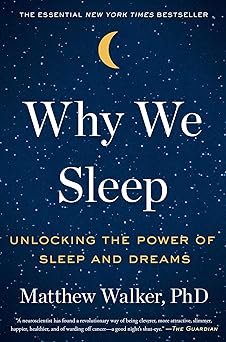
Books: Why We Sleep…, 8-Hour Sleep Paradox…, Supercharge Your Sleep…
Magnesium and Aging: DNA Repair & Cancer Prevention
Magnesium is crucial for DNA repair, which has significant implications for cancer prevention, making magnesium for longevity essential. The triage theory suggests that in times of magnesium scarcity, the body prioritizes essential short-term functions over long-term health processes like DNA repair. This can lead to DNA damage accumulation and increase cancer risk over time. Additionally, magnesium and aging are closely linked, as magnesium is essential for the proper functioning of DNA polymerases, enzymes crucial for DNA replication. Studies show that every 100 mg decrease in magnesium intake is associated with a 24% increase in pancreatic cancer incidence. How to increase your magnesium intake for longevity? Incorporate a variety of magnesium-rich foods into your diet and monitor for magnesium deficiency signs.
Try: At-Home Colon Health Test
Read more: What Is Autophagy?, Soy: Understanding Controversies…, Fasting Methods…
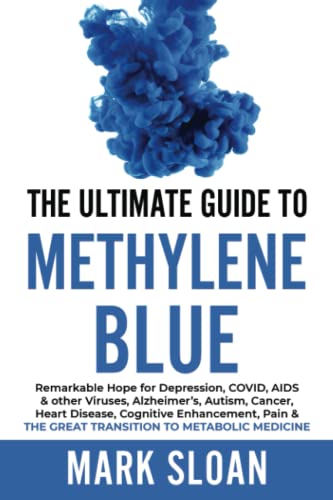
Books: The Oldest Cure in the World…, The Ultimate Guide to Methylene Blue…, Smarter Not Harder…
Take Charge of Your Magnesium Intake
Maintaining optimal magnesium levels is about more than just avoiding deficiencies – it’s about thriving. Incorporate magnesium-rich foods into your diet, manage stress, and be mindful of alcohol consumption. Your body will thank you with better hydration, balanced electrolytes, and improved overall wellness. So, embrace the power of magnesium for longevity and take charge of your well-being with these simple tips. Supporting your body with magnesium is a foundational strategy for aging gracefully and feeling energized at every stage of life. By prioritizing magnesium, you’re investing in long-term wellness, vitality, and a more resilient body.

AZURE BIOGENICS
Muscle * Nervous System * Bones * Energy * Mood
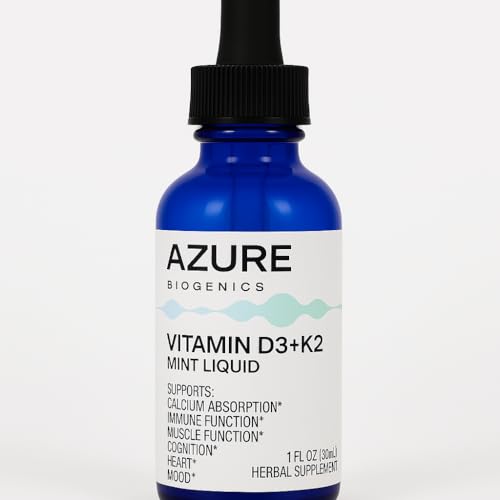
AZURE BIOGENICS
Bones * Immunity * Heart * Circulation
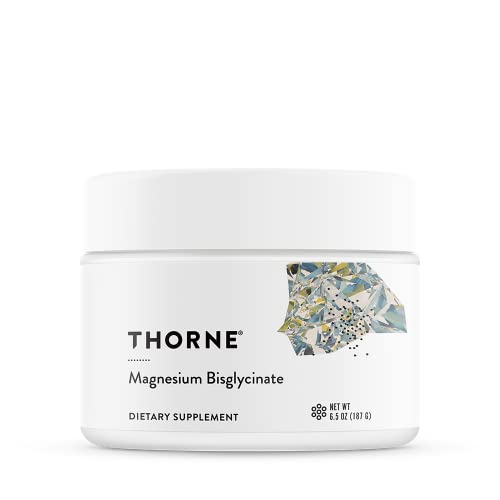
THORNE
Calmness * Clarity * Sleep * Energy * Metabolism

FOUR SIGMATIC
Sleep * Stress * Blueberry Flavor * Relaxation * Caffeine-Free

SEVEN MINERALS
Highest Quality * Pure Magnesium * Sore Muscles * Relaxation

ANCIENT MINERALS
Muscles * Stress * Detoxification * Quality Sleep

HIGHERDOSE
Potent * Magnesium Flakes * Stress * Relaxation * Detoxification

BODYHEALTH
Hydration * Muscles * Energy * Nutrient Balance

BUOY
Hydration * Digestion * Metabolism * Energizer

SALTSTICK
For Runners * Cramps * Heat Stress * Stamina * Hydration
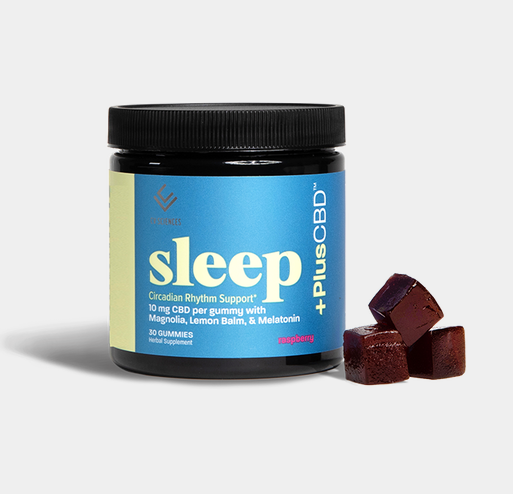
PLUS CBD
Sleep * Circadian Rhythm * Relax * Melatonin (3 mg) * CBD (10 mg)

OURA
Tracks 30+ Biometrics * Water Resistant * HSA/FSA

APPLE
Fitness & Sleep Tracker * Ovulation & Menstrual Cycle Estimates * Fall & Crash Detection

LC-DOLIDA
Bluetooth * Wireless * Ultra-Thin * Side Sleepers

SIMPLE HEALTHKIT
Free Follow-Up * Fast Lab Results * Physician Approved



References
- Jafarnejad, S., Bathaie, S. Z., Nakhjavani, M., Hassan, M. Z., & Kosari, N. (2018). The improvement effect of magnesium supplementation on the glycemic status of diabetic patients: A systematic review and meta-analysis. Journal of Diabetes & Metabolic Disorders, 17(1), 321-331.
- Ohio State University. (2015, December 18). Higher dietary magnesium intake may lower risk of pancreatic cancer. ScienceDaily.
- Jaspers, R. T., Bravenboer, N., Schnabel, D., & Swevers, L. (2019). Chronic alcohol consumption and the effects on bone: A systematic review. Journal of Clinical Medicine, 8(5), 622.
- Robey, T. (2018). The Role of Magnesium in Neurological Disorders: A Review. Texas State University Digital Library.
This article provides general information and discussions about health and related subjects. The information and other content provided in this blog, or in any linked materials, are not intended and should not be construed as medical advice, nor is the information a substitute for professional medical expertise or treatment.