
Summary:
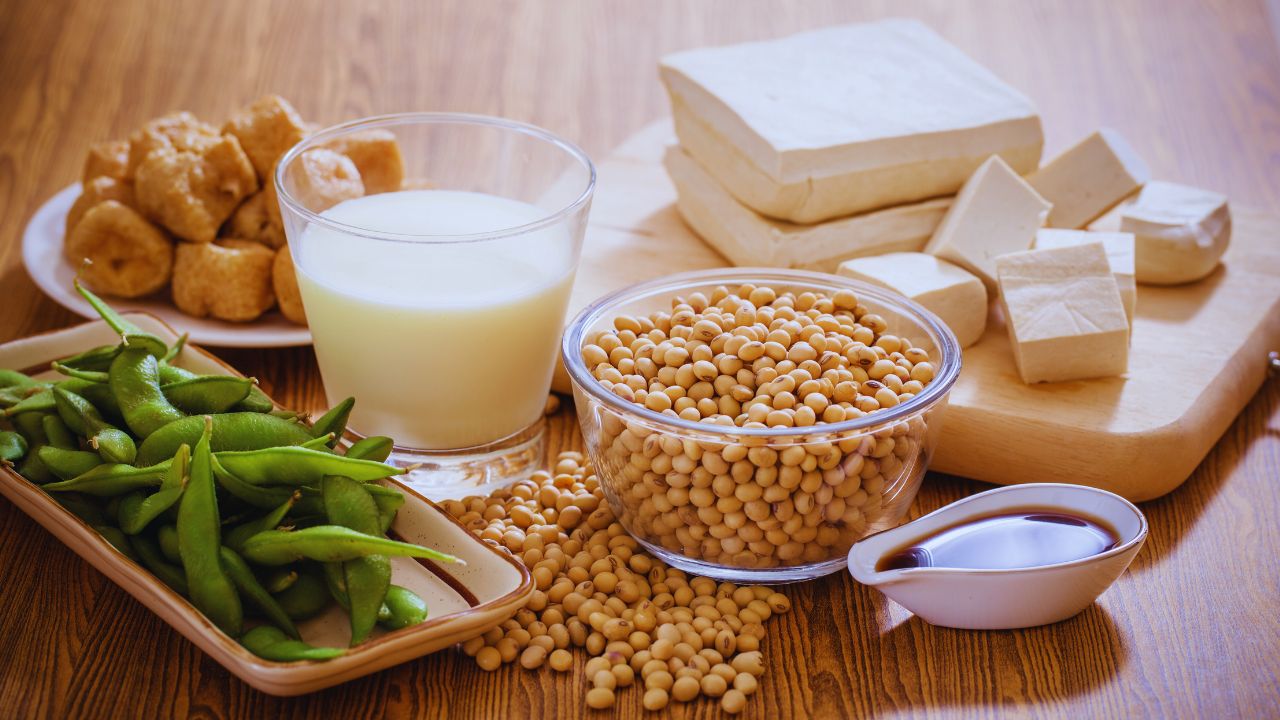
- Opt for whole soy products like tofu, tempeh, edamame, and miso
- Aim for 2-4 servings of soy per week
- Soy is rich in protein, fiber, vitamins, and minerals
- Include a variety of plant-based proteins in your diet
- Avoid excessive intake of hidden soy derivatives in processed foods
Solutions/Shop:
The Potential Benefits and Risks of Soy
Soy: it’s sparked countless debates and filled wellness aisles with endless products. Yet, amidst the buzz, it’s time we calm the storm and bring clarity to this controversy. Whether you’re pro-soy, anti-soy, or somewhere in between, understanding its potential benefits and pitfalls can empower you to make informed choices for your body.
The Soy Saga: A Nutritional Powerhouse
First, let’s acknowledge soy’s impressive resume. Rich in protein, fiber, vitamins, and minerals, soy offers a plant-based powerhouse for those looking to diversify their diet. It’s been linked to numerous benefits, from lowering cholesterol levels to potentially reducing the risk of certain cancers. Studies have shown that soy can be a heart-positive addition, aiding in the reduction of LDL (bad) cholesterol and potentially lowering the risk of heart disease.
A notable study published in the Journal of the American Heart Association found that consuming soy protein can significantly potentially LDL cholesterol, thereby supporting cardiovascular wellness. Another study from the National Cancer Institute indicated that a diet including soy may lower the risk of breast cancer, particularly when consumed during adolescence.
Read more here: A Longevity Action Plan: Insights From Peter Attia
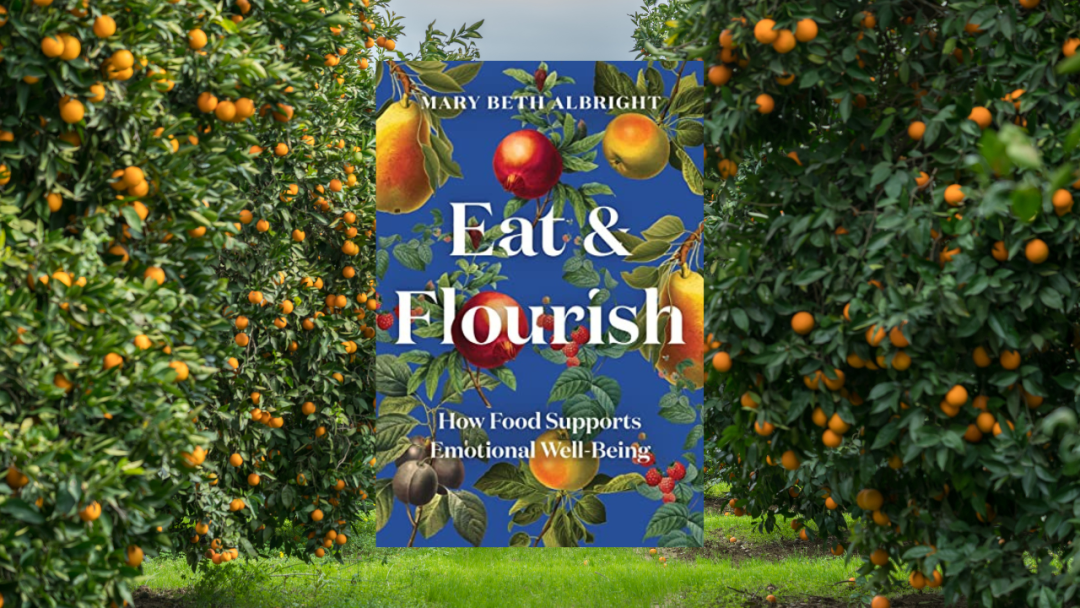
Books: The Power Foods Diet…, Cleanse to Heal…
Controversies and Concerns
The soy narrative isn’t all sunshine and rainbows. Critics argue that soy’s phytoestrogens can disrupt hormonal balance, particularly in women. Some studies suggest a potential link between high soy consumption and thyroid issues or reproductive concerns. While these findings aren’t definitive, they highlight the importance of moderation and individual sensitivity when it comes to soy intake.
For instance, research published in the Journal of Clinical Endocrinology & Metabolism suggests that excessive soy intake might interfere with thyroid function in individuals with pre-existing thyroid conditions. On the other hand, a comprehensive review in The American Journal of Clinical Nutrition concluded that moderate soy consumption does not adversely affect thyroid function in healthy individuals.
Read more here: Optimizing Metabolic Health and Weight Management
Soy is a nutritional powerhouse packed with protein and heart-health benefits, including lowering cholesterol and easing menopause symptoms. Yet, its phytoestrogens may raise concerns about hormonal balance and thyroid health—reminding us that moderation and mindful choices are key.
Soy and Breast Cancer
Breast cancer concerns have been at the forefront of the soy debate. The isoflavones in soy, which are plant-based estrogens, were once thought to mimic human estrogen and potentially fuel hormone-related cancers. However, more recent research paints a different picture.
A groundbreaking study found that women who consumed higher amounts of soy had a significantly reduced risk of breast cancer recurrence. This study suggests that soy foods can be safely consumed by breast cancer survivors and may even offer protective benefits.
How Soy Impacts Puberty and Menopause
Soy can play a significant role during various life stages, particularly puberty and menopause, due to its unique composition of phytoestrogens.
Puberty: Adolescence is a critical period for bone development and overall growth. Soy, being rich in protein and calcium, can support these growth spurts. Moreover, research indicates that consuming soy during puberty may lower the risk of developing breast cancer later in life. Understanding how to be mindful of soy intake during this stage can lay a foundation for long-term wellness.
Menopause: The menopausal transition brings about significant hormonal changes, often leading to symptoms like hot flashes, night sweats, and mood swings. Phytoestrogens in soy can mimic the effects of estrogen in the body, potentially easing these symptoms. A study published found that women who consumed soy isoflavones experienced a reduction in the frequency and severity of hot flashes. Incorporating soy into the diet can be a natural way to manage menopausal symptoms and improve quality of life during this stage.
Try: Meta-Balance, Portable Heating Pad
Read more here: What Is Menopause?, The Power of Sex Hormones for Men and Women, How to Keep Your Kids Healthy During Puberty
Books: 14 Talks By Age 14, The Menopause Guidebook, The Natural Menopause Method, The New Menopause
Finding Your Balance with Soy
So, how do you navigate the soy landscape without losing your way? The key lies in balance and mindfulness. Here are some tips to incorporate soy into your diet healthily and sustainably:
- Choose Whole Soy Foods: Opt for whole soy products like tofu, tempeh, edamame, and miso. These are less processed and retain more of soy’s natural nutrients.
- Moderation is Key: Like any other food, soy should be consumed in moderation. Aim for 2-4 servings per week, and pay attention to how your body responds.
- Diversify Your Protein Sources: Don’t rely solely on soy. Include a variety of plant-based proteins in your diet, such as lentils, chickpeas, quinoa, and nuts. This is how to increase your overall nutrient intake without overloading on any single source.
- Read Labels: Many processed foods contain soy derivatives, often in forms that offer less nutritional value. Check labels to avoid excessive intake of these hidden soy sources. The easiest way to ensure you’re consuming quality soy is to stick with minimally processed options.
- Listen to Your Body: Everyone’s body reacts differently to soy. Monitor your health and consult with a healthcare professional if you notice any adverse effects. Learning how to be in tune with your body’s signals is crucial for maintaining balance.
The Bottom Line on Soy
Soy can be a valuable addition to your diet, but it’s crucial to approach it with a balanced perspective. Embrace its benefits while staying mindful of potential downsides. By choosing whole, minimally processed soy products and consuming them in moderation, you can harness the nutritional power of soy without tipping the scales.
Take charge of your wellness with confidence. Balance, as always, is the ultimate goal. Soy wisely!

AZURE BIOGENICS
Longevity * Mood * Digestive * Eye Health * Immune Support
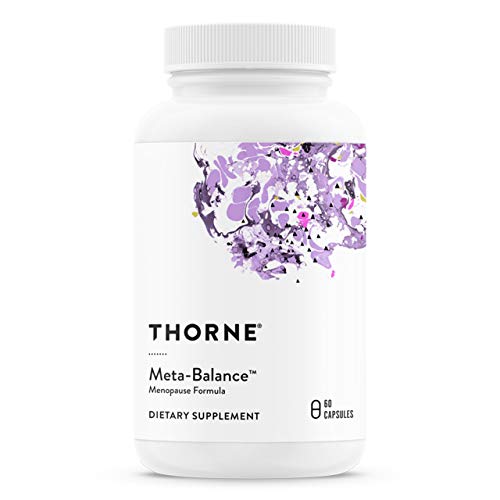
THORNE
Libido * Hot Flashes * Menopausal Support * Mood


This article provides general information and discussions about health and related subjects. The information and other content provided in this blog, or in any linked materials, are not intended and should not be construed as medical advice, nor is the information a substitute for professional medical expertise or treatment.