

Get Your Free Spring Bloom Guide →
You’ve heard “self-care” so many times it’s lost its meaning. Spa days. Face masks. Bubble baths. That’s not what this is.
Real holistic self-care covers every dimension of your health: physical, emotional, mental, social, spiritual, practical, financial, and environmental. When one area is neglected, everything else suffers. The good news? You don’t need a 3-hour morning routine to do this right. You just need a simple framework and eight concrete starting points.
We researched this so you don’t have to. Here’s the simplified version of what actually works.
What’s Inside This Article
KEY TAKEAWAYS:
- Holistic self-care is not optional: It spans 8 dimensions of your life, and neglecting any one of them creates drag on the others.
- Small, consistent actions win: You don’t need a complete lifestyle overhaul. Micro-habits in each area compound over time.
- Your environment shapes your behavior: Designing your space, schedule, and social circle for wellness makes everything easier.
- Financial health is self-care: Money stress is one of the top drivers of physical and mental health decline. It belongs in this conversation.
QUICK START (Do This First):
- Pick your weakest area from the 8 categories below. That is where you start, not where it’s comfortable.
- Choose one action from that section and do it for 7 days straight before adding anything else.
- Set a 5-minute daily check-in with yourself: How is your body feeling? Your mood? Your energy? Notice what shifts.
“Self-care isn’t something you fit into your life. It IS your life, in every dimension.”
1. Physical Self-Care: Your Body Is the Foundation
Everything else on this list becomes harder when your body is running on empty. Physical self-care is not just exercise. It is the full package of how you move, eat, rest, and recover.
What to do:
- Move your body daily. It does not have to be intense. A 20-minute walk, a yoga class, or resistance training all count. The research on consistent movement for mood, sleep, and hormonal health is strong. Find a format you will actually do.
- Eat whole foods most of the time. Fruits, vegetables, lean proteins, healthy fats, whole grains. You do not need a diet plan. You need a baseline of nourishment your body can work with.
- Protect your sleep like it is your most important meeting. Aim for 7-9 hours. Dim the lights 90 minutes before bed. Keep your phone in another room. Sleep is when your hormones reset, your brain clears waste, and your body repairs. Missing it is not hustle culture. It is debt.
QUICK TIP:
Start with 10-minute walks if a full workout feels like too much. Research on walking consistently shows significant benefits for cardiovascular health, mood, and blood sugar regulation. Ten minutes beats zero minutes every single time.
Try: Wrist or Ankle Weights, PRO Yoga Mat, Bala Power Ring
2. Emotional Self-Care: Process, Don’t Suppress
Here is an unpopular truth: most of us were never taught how to process emotions. We were taught to push through, stay busy, and keep going. That works until it stops working.
What to do:
- Journal. Even five minutes a day helps you externalize what is swirling around inside your head. You do not need to be a writer. You just need a pen and an honest page.
- Talk to someone. A trusted friend, a therapist, a sister. Regular, honest conversation with someone who actually listens is one of the most underrated health interventions out there.
- Practice gratitude actively. Note three things you are grateful for each day. Research on gratitude practice shows moderate evidence for improved mood and reduced anxiety over time. The key is consistency, not intensity.
REAL TALK: Suppressing emotions does not make them go away. It stores them in your body as tension, fatigue, and inflammation. Processing them takes 10 minutes and a journal. Choose the journal.
Try: The Five Minute Journal, Lined Journal
Read more: How to Increase Gratitude and Reject Worry
Get the exact plan for your holistic self-care routine.
This is an easy guide you can print and post on your refrigerator or mirror to glance at each day.
Inside you will find:
- A one-page self-care checklist covering all 8 dimensions
- The 5-minute daily habit-stacking template that actually sticks
- Our top product picks for each self-care category
- A weekly planning tool to keep your self-care consistent (not reactive)
This is the blueprint we wish someone handed us years ago. It is yours, free.
You will get the guide immediately, plus a few emails with bonus tips. Unsubscribe anytime (but we think you will like it).
3. Mental Self-Care: Protect Your Focus and Your Boundaries
Mental self-care is not about thinking positive thoughts. It is about protecting the quality of your attention and being intentional about what you let in.
What to do:
- Challenge your brain regularly. Read books. Solve puzzles. Learn something new. Cognitive engagement helps maintain mental sharpness over time, and the evidence supporting lifelong learning for brain health is strong.
- Set clear limits with your time and energy. Saying no to things that drain you is not selfish. It is the prerequisite to showing up fully for the things that matter.
- Unplug from screens intentionally. Designate tech-free windows each day. Your nervous system was not designed for 8 hours of continuous digital input. Give it a break.
KEY FACT:
Research consistently shows that heavy social media use is linked to increased anxiety, lower life satisfaction, and disrupted sleep in adults. Cutting screen time before bed by even 30 minutes can produce measurable improvements in sleep quality within a week.
Try: Timed Lock Box (for your phone during focus hours)
4. Social Self-Care: Real Connection Is a Health Strategy
Loneliness is not just an emotional experience. Studies consistently link social isolation to increased risk of heart disease, cognitive decline, and early mortality. Connection is not a luxury. It is medicine.
What to do:
- Schedule time with people who energize you. Put it on the calendar the same way you would a doctor’s appointment. It will not happen consistently otherwise.
- Go deeper, not just wider. A few meaningful relationships will do more for your health than a large social network full of surface-level connections.
- Expand your community. Volunteer, join a class, attend local events. New relationships do not just happen to us after 40. We have to actively create the conditions for them.
Read more: How to Keep Your Friendships Thriving
Try: The AND Game (Friends Edition), Affirmations Cards for Women
5. Spiritual Self-Care: Anchor Yourself to Something Bigger
Spiritual self-care does not require a religion or a belief system you do not have. What it requires is intentional time to connect with meaning, purpose, and something larger than your daily to-do list.
What to do:
- Meditate or sit in stillness. Even 5 minutes of quiet, intentional presence counts. Some research on mindfulness meditation suggests moderate benefits for stress, anxiety, and blood pressure. The key is consistency over intensity.
- Spend time in nature. Walk in a park. Sit by water. The evidence on nature exposure and nervous system recovery is growing and compelling.
- Reflect on your values and purpose. Journaling, prayer, contemplation, whatever fits your worldview. Regular reflection keeps you connected to what actually matters to you.
Try: Meditation Cushion, Crystal Singing Bowls
6. Practical Self-Care: Reduce the Friction of Daily Life
An overwhelming environment creates an overwhelmed mind. Practical self-care is the unsexy, underrated work of organizing your life so it stops fighting against you.
What to do:
- Declutter one area at a time. You do not have to Marie Kondo your entire home in a weekend. Pick one drawer, one room, one pile. Reducing visual chaos reduces mental load.
- Plan ahead to avoid reactive decisions. Meal prep. Weekly planning. A consistent morning routine. When the basics are handled, you have more cognitive bandwidth for everything else.
- Simplify where you can. Identify the tasks that take the most energy and deliver the least value. Delegate, automate, or eliminate them. This is not laziness. It is wisdom.
QUICK TIP:
Sunday planning sessions (even 20 minutes) are one of the most effective ways to reduce weekday stress. Preview the week, prep what you can, and decide in advance how you want to feel by Friday.
7. Financial Self-Care: Money Stress Is a Health Issue
Nobody talks about this in wellness content, but financial stress is one of the most significant predictors of poor physical and mental health outcomes. Ignoring it does not make it go away. Addressing it, even in small steps, is a profound act of self-care.
What to do:
- Create a basic budget. Know what is coming in and what is going out. You cannot make good decisions with money you cannot see clearly.
- Build an emergency buffer, even a small one. Even a few hundred dollars set aside creates measurable reductions in financial anxiety. Start there if you are starting from zero.
- Invest in your future self. Retirement accounts, index funds, whatever your access point is. Future you deserves resources too. This is not just financial planning. It is self-respect in action.
REAL TALK: Financial self-care is not about being wealthy. It is about reducing the cognitive and physical toll of money stress. Even basic awareness and a single savings habit can change how you feel in your body every day.
8. Environmental Self-Care: Your Space Shapes Your State
Your home environment is constantly sending signals to your nervous system. Clutter signals chaos. Dim, warm light signals rest. Fresh air signals alertness. Designing your space intentionally is one of the fastest ways to shift your default mood and energy level.
What to do:
- Create at least one calm corner in your home. A chair, a reading nook, a desk with good light. A designated space for restoration tells your brain it is time to decompress.
- Add natural elements. Plants, natural light, fresh air. These are not just aesthetic choices. Research on nature-adjacent environments shows real effects on stress hormones and mood.
- Personalize your environment for how you want to feel. Family photos, scents you love, colors that calm you. Your space should feel like it belongs to you, not like a holding area for your stuff.
Try: Beacons 40 Smart Light, Blackout Curtains, Automatic Pill Dispenser
“You don’t just want to survive. You want to thrive. For a long time. All 8 dimensions of you deserve care.”
Frequently Asked Questions
What is holistic self-care and how is it different from regular self-care?
Holistic self-care addresses all eight dimensions of wellbeing: physical, emotional, mental, social, spiritual, practical, financial, and environmental. Regular self-care typically focuses only on relaxation or physical health. Holistic self-care recognizes that all areas are connected and that neglecting one creates problems in the others.
How do I start if I have no time for self-care?
Start with just one area and one action that takes 5-10 minutes. Trying to overhaul everything at once is the fastest way to do nothing. Pick your weakest category, choose the simplest possible step, and do it for a week before adding anything new.
Is financial self-care really part of wellness?
Absolutely. Financial stress is one of the leading drivers of anxiety, sleep disruption, and physical health decline. Addressing your finances, even in small steps like creating a budget or starting a savings habit, is one of the most impactful things you can do for your overall health.
What is the most important type of self-care to focus on first?
Sleep and physical self-care are foundational because they directly affect your capacity for everything else. If your sleep is disrupted or your body is depleted, emotional regulation, mental clarity, and social engagement all become harder. Start there, then build outward.
Does spiritual self-care require religion?
No. Spiritual self-care is about connecting with meaning, purpose, and something beyond your immediate daily tasks. That might be nature, meditation, creative expression, community service, or quiet reflection. Religion can be part of it, but it is not required.
How does my home environment affect my health?
Your environment constantly sends signals to your nervous system. Clutter, poor lighting, and noise trigger stress responses. Calm, organized, personalized spaces support lower cortisol, better sleep, and improved mood. Small environmental changes can produce significant shifts in how you feel day to day.
Can social connection really impact my physical health?
Yes. Research consistently links chronic loneliness with increased risk of cardiovascular disease, cognitive decline, and reduced lifespan. Meaningful social connection is not a nice-to-have. It is a measurable protective factor for physical health.
How do I maintain consistent self-care when life gets crazy?
The secret is making your self-care non-negotiable and as friction-free as possible. Keep habits small, attach them to existing routines (habit stacking), and plan them in advance rather than fitting them in reactively. When life gets hard, simplify down to the one or two practices that matter most.
Related Questions People Ask:
- What are the best self-care habits for women over 40? Sleep, strength training, and managing stress are the big three. Learn how sleep affects energy here.
- How does gratitude affect mental health? Daily gratitude practice has moderate evidence for improving mood and reducing anxiety over time. Read our gratitude guide here.
- What supplements support overall wellness? Magnesium, creatine, and B vitamins are among the most evidence-backed options for energy, mood, and physical health. Read our creatine guide for women here.
Start With One. Then Build.
Holistic self-care is not a checklist you complete once. It is a practice you return to, daily, in whatever capacity you have that day.
You do not need to be doing all eight perfectly. You need to be doing a few of them consistently, and paying attention to where you have been running a deficit.
The women who thrive long-term are not the ones with the most elaborate wellness routines. They are the ones who know themselves well enough to know what they need, and who give themselves permission to actually have it.
We got your back, sisters. Send this to a friend who needs the reminder.
Together we rise. As a community, we thrive.
Get the complete holistic self-care checklist in one download.
Ready to put this into practice? Grab the free guide with everything you need to cover all 8 dimensions of your wellbeing, simplified into one page.
FTC Disclosure: This article contains affiliate links. We only recommend products we genuinely believe in.
Shop This Article
We carefully research and select every product mentioned in this article based on quality, ingredients, and reviews, not commissions. Our mission is to simplify wellness for you, and we regularly update our recommendations to bring you the best options.
My Top Picks:
- Wellness Simplified A5 Lined Journal: Daily journaling for emotional and mental self-care
- The Five Minute Journal: Structured gratitude practice in under 5 minutes a day
- Bala Power Ring: Versatile resistance tool for physical self-care at home
- PRO Yoga Mat: Premium, non-slip mat for yoga, stretching, and floor work
- Meditation Cushion: Ergonomic support for daily meditation practice
- Timed Lock Box: Put the phone away and actually unplug
- Beacons 40 Smart Light: Customizable light for circadian rhythm support and mood
- Automatic Pill Dispenser: Never miss a supplement or medication again
Medical Disclaimer: This article provides general information and discussions about health and related subjects. The information and other content provided in this blog, or in any linked materials, are not intended and should not be construed as medical advice, nor is the information a substitute for professional medical expertise or treatment. If you or any other person has a medical concern, you should consult with your healthcare provider or seek other professional medical treatment. Never disregard professional medical advice or delay in seeking it because of something that you have read on this blog or in any linked materials.
References (Click to expand)
- Holt-Lunstad J, Smith TB, Layton JB. Social relationships and mortality risk: A meta-analytic review. PLOS Medicine, 2010.
- Walker M. Why We Sleep: Unlocking the Power of Sleep and Dreams. Scribner, 2017.
- Emmons RA, McCullough ME. Counting blessings versus burdens: An experimental investigation of gratitude and subjective well-being. Journal of Personality and Social Psychology, 2003.
- Bratman GN et al. Nature and mental health: An ecosystem service perspective. Science Advances, 2019.
- Prochaska JO, Velicer WF. The transtheoretical model of health behavior change. American Journal of Health Promotion, 1997.
- American Psychological Association. Stress in America survey: Money and finances remain top stressors. APA, 2022.
We regularly update this article to bring you the best current information. Last updated: March 22, 2026.
Embrace these holistic self-care activities with confidence and grace, taking each step toward lasting, overall wellness.

WELLNESS SIMPLIFIED
9 Colors * 188 Pages * Lined Paper

BALA
10lb * Versatile * Fitness * Strength * Agility * Balance.

KURE.FIT
1lb Pairs * Yoga * Walking * Skin Gentle * Wearable

MANDUKA
6mm Cushion * Non-Slip * Eco-Friendly * 100% Latex-Free

LISENWOOD
Engromic Design * Washable * Memory Foam
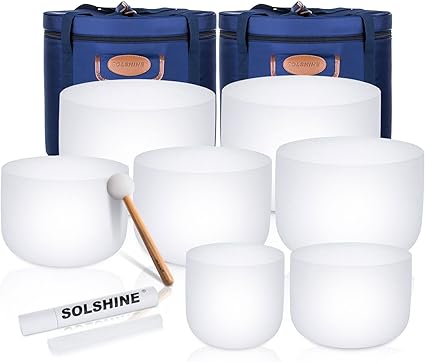
SOLSHINE
6-12 Inch * Set of 7 * Sound Healing

INTELLIGENT CHANGE
Daily * Gratitude * Happiness * Mindfulness * Reflection

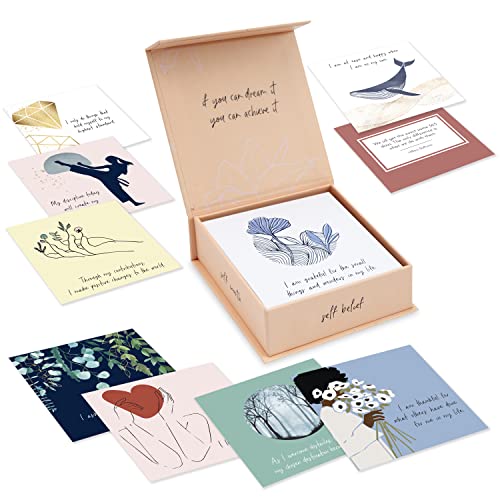
RYVE
52 Mindfulness Cards with Affirmations & Quotes

BRIGHT
Ambient * Mood * Customizable * Home Integration * Portable
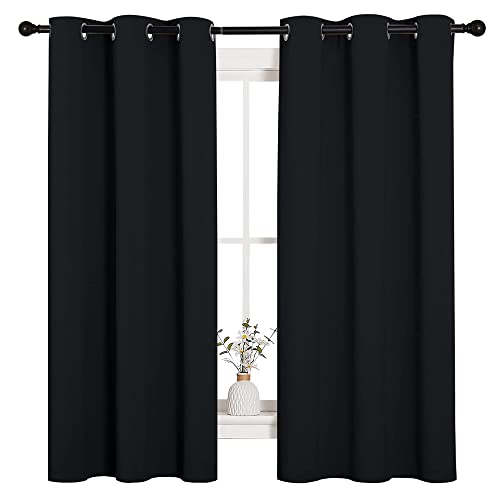
NICETOWN
Black * Solid Thermal Insulated * 2 Panels * 42" W x 63" L

LIVE FINE
Automatic * Pill Reminders * Track Compliance * 28-Day Capacity

BETIFE
Easy To Use * Safe Travel * Easy to Carry * Never Rubbed Off

MINDSIGHT
Controls Screen Time * Manages Access * Focus * Reduces Distractions