

Creatine for Women Over 40: Benefits, How to Take It, and What to Buy
Get Your Free Spring Foundation Guide
Creatine is the most well-researched supplement in sports science, and Gen X women are still the last ones to hear about it.
We’ve been told it’s for 22-year-old gym bros. It’s not. For women over 40, creatine may be one of the smartest additions to your routine: stronger muscles, sharper thinking, better bone density, and more energy. And it works whether you exercise or not.
Here’s what creatine actually does for women, how to take it without overcomplicating it, and which form to buy. I researched the science so you don’t have to.
We got your back, sister.
 KEY TAKEAWAYS:
- Not just for athletes: Creatine supports brain function, bone density, and energy for everyday life
- Women need it more: Women naturally have lower creatine stores than men, making supplementation especially valuable
- Stick with monohydrate: Creatine monohydrate is the most studied form; no need for expensive alternatives
- Simple dosing: 3–5g per day is the maintenance dose; a loading phase is optional, not required
- Pairs well with your stack: Works great alongside Vitamin D3 + K2 and a quality multivitamin for bone and muscle support
QUICK START (Do This First):
- Buy creatine monohydrate powder: Unflavored is the most versatile option
- Start with 3–5g per day: Mix into water, coffee, or a smoothie
- Take it consistently: Daily use matters more than timing
- Drink plenty of water: Creatine draws water into muscle cells, so hydration is key
What’s Inside This Article
- 1. What Is Creatine and Why Do Women Need More of It?
- 2. The 4 Big Benefits of Creatine for Women Over 40
- 3. How to Take Creatine: The Simple Protocol
- 4. What to Buy (and What’s Not Worth the Extra Money)
- 5. Safety + Who Should Talk to Their Doctor First
- 6. Frequently Asked Questions
- 7. Shop This Article
What Is Creatine, and Why Do Women Need More of It?
Creatine is a compound your body makes naturally from amino acids. It lives mostly in your muscles and acts as a rapid energy source for high-intensity activity, but its job doesn’t stop there.
Your brain uses creatine too. So do your bones. And your body only produces a limited amount on its own.
 KEY FACT:
Women naturally have about 70–80% lower creatine stores than men. We eat less red meat (a primary dietary source), and our bodies produce less. This means creatine supplementation may actually deliver a bigger relative benefit for women than for men.
After 40, it gets more complicated. Muscle mass starts declining (sarcopenia). Bone density drops. Brain fog becomes a real thing. All three of these are areas where creatine has solid research behind it.
This isn’t a gym supplement. It’s a longevity supplement that happens to also help at the gym.
The 4 Big Benefits of Creatine for Women Over 40
Let’s break down what the research actually says. No exaggeration, no fluff.
Benefit 1: Stronger Muscles + Less Age-Related Muscle Loss
This is the most well-established benefit. Creatine helps your muscles produce energy more efficiently during exercise, which means you can work harder, recover faster, and build more strength over time.
But here’s what matters for Gen X women: research also shows creatine can help preserve muscle mass during the natural decline that comes with aging, especially when combined with resistance training.
You don’t need to be lifting heavy. Even light resistance work (walking with ankle weights, yoga, pilates) becomes more effective with creatine in your system.
QUICK TIP:
If you’re starting or restarting strength training, creatine can meaningfully reduce the soreness and fatigue of those first few weeks. Many women notice they can do more reps with less effort within 2–4 weeks of starting.
Benefit 2: Sharper Thinking + Mental Clarity
This one surprises most people. Your brain is actually a significant consumer of creatine, especially during mentally demanding tasks, stress, or sleep deprivation.
Some research suggests creatine supplementation can improve cognitive performance, particularly working memory and processing speed. Studies have specifically looked at people who were sleep-deprived, and creatine appeared to help maintain mental performance even when rest was compromised.
If you’ve been dealing with the brain fog that often comes with perimenopause, creatine is worth adding to the conversation. It’s not a magic fix, but it’s a meaningful one.
REAL TALK: I started noticing my thinking felt clearer in the mornings after about 3 weeks on creatine. I can’t say it’s the only thing I changed, but combined with Magnesium Glycinate at night and a quality multivitamin, something shifted. The brain fog lightened.
Benefit 3: Bone Density Support, Especially After Menopause
Here’s the one that doesn’t get enough attention. Postmenopausal bone loss is a serious health risk, and creatine may be part of the solution.
Some research suggests creatine can support bone mineral density, particularly when combined with resistance exercise. The mechanism appears to involve creatine’s role in supporting the cells that build and maintain bone tissue.
Creatine works best for bones when paired with Vitamin D3 + K2 (which directs calcium into bones) and a quality Women’s Probiotic (gut health affects calcium absorption more than most people realize).
Benefit 4: Better Endurance + Less Fatigue
Whether it’s a long walk, a workout class, or just getting through a demanding day, creatine helps your body maintain energy output for longer before fatigue sets in.
This happens because creatine replenishes ATP (your cells’ primary energy currency) faster. The result: you get more done before you hit the wall.
If you’ve been wondering where all your energy went, creatine is worth investigating alongside Vitamin D, magnesium, and iron levels.
“This isn’t a gym supplement. It’s a longevity supplement that happens to also help at the gym.”
Want my exact supplement routine, including when and how I take creatine?
This is an easy guide you can print and post on your refrigerator or mirror to glance at each day.
Inside you’ll find:
- The complete Spring Foundation supplement stack (what to take, when, and why)
- Creatine dosing protocol with timing suggestions
- Product recommendations for every supplement in the stack
- A printable daily checklist so you never forget a dose
This is the blueprint we wish someone handed us years ago. It’s yours, free.
Get Your Free Spring Foundation Guide
You’ll get the guide immediately + a few emails with bonus tips. Unsubscribe anytime (but we think you’ll like it).
How to Take Creatine: The Simple Protocol
Good news: creatine is one of the easiest supplements to take. No complicated timing windows, no strict rules.
The Basic Approach
- Daily dose: 3–5g per day. This is the maintenance dose backed by most research. You don’t need more.
- Timing: Whenever is convenient. With meals, in coffee, in a smoothie, post-workout. Research shows timing matters less than consistency.
- Loading phase: Optional, not required. Some protocols suggest 20g/day for 5–7 days to saturate your muscles faster. This works, but it also causes more water retention and GI discomfort in some people. You can skip it entirely and reach the same levels within 3–4 weeks at the maintenance dose.
- Hydration: Important. Creatine draws water into muscle cells (a good thing for muscle function), but it means you need to be drinking enough water. Aim for at least 8 glasses a day.
What to Expect and When
- Week 1–2: Some people notice slight water retention (normal; it’s going to your muscles, not making you puffy)
- Week 2–4: Improved workout performance and endurance become noticeable
- Week 4–8: Cognitive benefits and muscle recovery improvements become more apparent
- Ongoing: Cumulative benefits build over months of consistent use
QUICK TIP:
Add creatine to your morning coffee or smoothie. Unflavored creatine monohydrate powder dissolves easily and is essentially tasteless. It takes about 10 seconds and you’ll never forget to take it.
What to Buy (and What’s Not Worth the Extra Money)
The supplement industry loves selling “upgraded” versions of creatine at 3x the price. Here’s what the research actually supports.
What to Look For
- Creatine Monohydrate: This is the gold standard. It’s what virtually all the research was done on. Everything else is a variation with less evidence.
- Third-party tested: Look for NSF Certified, Informed Sport, or USP verified on the label.
- Unflavored powder: Most flexible, mixes into anything, usually cheapest per dose.
- No fillers or proprietary blends: Pure creatine monohydrate is all you need.
What You Don’t Need
- Creatine HCL: Marketed as “better absorbed,” but the evidence doesn’t clearly support paying a premium for it.
- Buffered creatine (Kre-Alkalyn): Similar story. Monohydrate performs as well or better in most studies.
- “Creatine blends”: Often contain much less actual creatine than the label implies.
- Creatine gummies: Most have no more than 2g of creatine in 3–6 gummies, which means you’re taking a lot of fillers, sugar, and gums to get a very low dose.
KEY FACT:
Creatine monohydrate is one of the most affordable supplements per dose on the market. Don’t let fancy marketing convince you to overpay for forms with less research behind them.
Safety + Who Should Talk to Their Doctor First
Creatine has one of the strongest safety records of any supplement: decades of research with no significant adverse effects reported at recommended doses in healthy adults.
That said, some situations warrant a conversation with your doctor first.
WHO SHOULD BE CAUTIOUS:
- Kidney disease or kidney problems (creatine metabolism involves the kidneys)
- Polycystic kidney disease
- You’re taking medications that affect kidney function
- You’re pregnant or nursing
- You have a history of kidney stones
- Talk to your doctor before starting if any of these apply to you
For healthy women with no kidney issues, creatine at 3–5g/day has an excellent safety profile in the research literature. It’s always a good idea to mention new supplements at your next check-up.
Common Concerns That Aren’t Actually Concerns
- “It’ll make me bulky.” No. Creatine supports lean muscle, not mass gain. The small amount of water retention in muscles looks like muscle tone, not bulk.
- “It’ll damage my kidneys.” In healthy individuals, research consistently shows no kidney damage at recommended doses. This myth came from a single poorly designed early study.
- “I need to cycle on and off.” Not necessary. You can take it continuously.
Frequently Asked Questions
Do I need to exercise for creatine to work?
No. The cognitive and bone health benefits don’t require exercise. That said, combining creatine with even light resistance training dramatically amplifies the muscle and strength benefits.
Will creatine make me gain weight?
You may see 1–2 lbs on the scale in the first week or two. This is water moving into your muscle cells, not fat. It’s a sign it’s working. Most women find this resolves or they stop noticing it entirely.
Is creatine safe during perimenopause?
Research suggests it may actually be particularly beneficial during perimenopause and after menopause, supporting muscle, bone, and cognitive health during a period when all three are under hormonal pressure. Talk to your doctor if you have any concerns.
When will I notice it working?
Physical performance improvements typically show up within 2–4 weeks. Cognitive effects and energy benefits are usually more gradual; many women notice meaningful changes around the 4–8 week mark.
Can I take creatine with my other supplements?
Yes. It stacks well with Vitamin D3 + K2, Magnesium Glycinate, a multivitamin, and Omega-3s. All of these complement its benefits for bone, muscle, and brain health.
What’s the difference between creatine powder and gummies?
Both deliver creatine monohydrate. Powder is cheaper per dose and mixes into anything. Gummies are more convenient if you’re always on the go. Check the dose per gummy; you may need several to hit 3–5g.
Do I really need to do a loading phase?
No. Loading (20g/day for 5–7 days) saturates your muscles faster but isn’t required. Starting at 3–5g/day reaches the same level within 3–4 weeks with far fewer side effects like bloating or GI discomfort.
Related Questions People Ask:
- What supplements should women over 40 take? Start with the Spring Foundation stack: multivitamin, Magnesium Glycinate, D3+K2, probiotic, and Omega-3. See the Supplement Stack
- How do I build muscle after 40? Resistance training + adequate protein + creatine is the most evidence-backed combination. Read our post-workout nutrition guide
- What helps with menopause brain fog? Creatine, Omega-3s, quality sleep, and Vitamin D are the most studied options. Read more here
The Bottom Line
Creatine is one of the most researched, safest, and most underused supplements for women over 40. It supports muscle, brain, bones, and energy: everything that starts shifting after perimenopause.
3–5g a day, mixed into whatever you’re already drinking. That’s the whole protocol. Start there.
Send this to a friend that it can help. Together we rise. As a community, we thrive.
We got your back, sisters.
Get the complete supplement stack guide in one download.
Ready to put this into practice? Grab the Spring Foundation Guide with everything you need.
Want This in Your Inbox?
Get wellness tips like this delivered weekly, plus exclusive guides you won’t find on the blog.
We send practical, research-backed advice for real women navigating real life. No fluff. No guru nonsense. Just what works.
Together we rise. As a community, we thrive.
FTC Disclosure: This article contains affiliate links. We only recommend products we genuinely believe in.
Shop This Article
We carefully research and select every product mentioned in this article based on quality, ingredients, and reviews, not commissions. Our mission is to simplify wellness for you, and we regularly update our recommendations to bring you the best options.
My Top Picks:
- Creatine Monohydrate (Azure Biogenics): For brain + muscle battery. The gold standard form with third-party testing.
- Vitamin D3 + K2 (Azure Biogenics): The most evidence-backed combo for postmenopausal bone support. D without K is incomplete.
- Women’s Probiotic 50 Billion CFU:
Gut health affects calcium and nutrient absorption. Pairs well with creatine and D3/K2 for bone health. - Magnesium Glycinate: Supports sleep quality and recovery, which amplifies the benefits of creatine. Creatine by day + magnesium at night is a powerful combo.
- Full Spring Foundation Supplement Stack: All five foundational supplements in one place.
💾 Save this for later | 📲 Send it to a friend who needs it | 💬 Tag someone in your group chat 💚
AZURE Workout Performance * Strength & Training * Endurance * Brain Health * Recovery
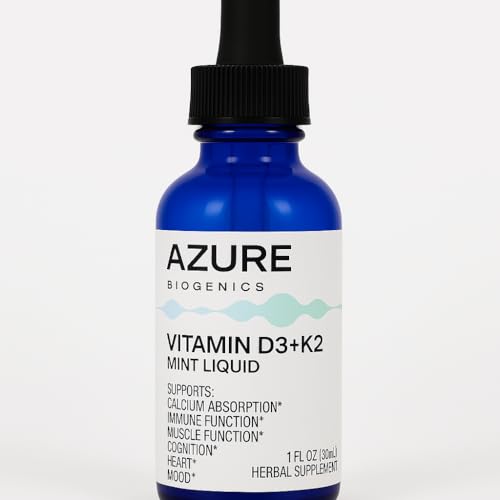
AZURE BIOGENICS
Bones * Immunity * Heart * Circulation

MANDUKA
6mm Cushion * Non-Slip * Eco-Friendly * 100% Latex-Free
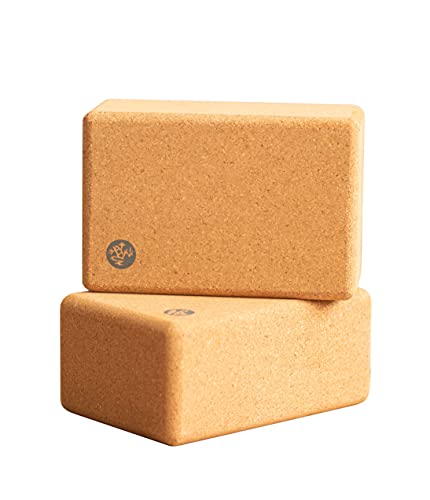
MANDUKA
Firm Support * Sustainable * 100% Cork * 3"x4"x8.5" * Set of 2

MANDUKA
Secure * Slip-Free * Eco-Friendly * 1.75"x8' * Midnight Color
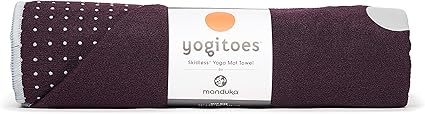
MANDUKA
Lightweight * Microfiber * Non-Slip * 71 Inch * Indulge Purple

KURE.FIT
1lb Pairs * Yoga * Walking * Skin Gentle * Wearable

BALA
10lb * Versatile * Fitness * Strength * Agility * Balance.

REP
HIIT * Cross-Training * Strength * Power * Endurance

PELOTON
Rotating Screen * Anti-Glare HD * Auto Resistance * Track Performance

TANGRAM
LED Display * Sync with App * Track Jumps Mid-Air * Cardio Training

DEERRUN
2.5HP Silent Motor * Easy to Move * Non-Slip Belt * 3 Modes
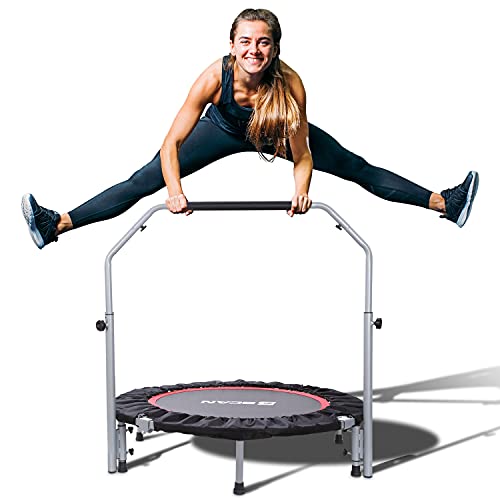
BCAN
40/48" * 330/440lbs * Adjustable * Foam Handle
This article provides general information and discussions about health and related subjects. The information and other content provided in this blog, or in any linked materials, are not intended and should not be construed as medical advice, nor is the information a substitute for professional medical expertise or treatment.