
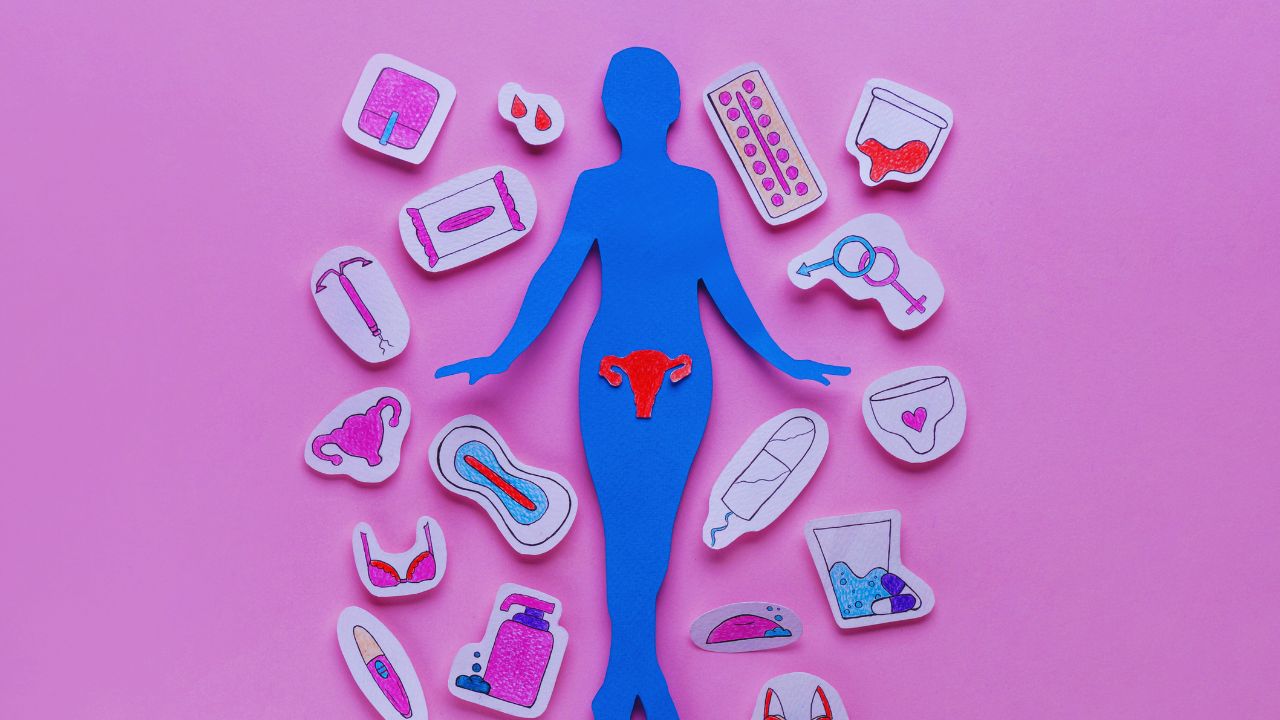
Your menstrual cycle has four distinct phases, and each one gives you different strengths, different energy levels, and different nutritional needs. Once you understand the pattern, you stop fighting your body and start working with it.
This isn’t complicated. Here’s the plain-English breakdown of what’s happening each week — and exactly what to eat, how to move, and what to take to feel your best in every phase. We got your back, sister. 💚
SHORT ANSWER: What Are the 4 Menstrual Cycle Phases?
The four phases of your menstrual cycle are: Menstrual (days 1–5), Follicular (days 6–13), Ovulatory (days 14–16), and Luteal (days 17–28). Each is driven by different hormones, which affects your energy, mood, focus, physical strength, and nutritional needs. Working with these phases — not against them — is how you start feeling better without doing more.
KEY TAKEAWAYS:
- Your energy, focus, and physical capacity naturally peak and dip across the month — this is biology, not weakness
- Iron replenishment is critical during your period; many women feel terrible because they’re not replacing what they lose
- Magnesium Glycinate in the luteal phase can significantly reduce PMS symptoms, cramping, and mood swings
- Your best workouts naturally align with your follicular and ovulatory phases — this is when strength and endurance peak
- A quality multivitamin and Omega-3s support hormone balance across all four phases year-round
QUICK START:
- Track your cycle (even a basic app will do) so you know which phase you’re in
- Add Magnesium Glycinate in the 10 days before your period — it’s a game-changer for PMS
- Push harder in your workouts during follicular/ovulatory; dial back during luteal/menstrual
- Prioritize iron-rich foods (or iron supplement) during and after your period
📥 Want our complete Spring Foundation supplement guide?
See how to support your hormones all cycle long — free guide, all in one place.
You’ll get it immediately + a few bonus tips. Unsubscribe anytime (but we think you’ll stay 💚).
The 4 Phases at a Glance
Your cycle is roughly 28 days (though 21–35 days is completely normal). Here’s the quick map:
🔴 Menstrual — Days 1–5
Bleeding begins. Hormones are at their lowest. Rest, replenish, restore.
🔵 Follicular — Days 6–13
Estrogen rises. Energy and focus climb. Your most productive, creative week.
🟡 Ovulatory — Days 14–16
Peak estrogen. You feel social, confident, strong. Best time for big workouts and hard conversations.
🟣 Luteal — Days 17–28
Progesterone rises. Energy dips. PMS territory. Your body is asking for more support.
Most of us were taught to think of our cycle as one long inconvenience. What nobody told us is that the first half of our cycle (follicular + ovulatory) is essentially a superpower window — and the second half (luteal + menstrual) is a time for strategy and support, not shame. Once you see it this way, everything shifts.
🔴 Phase 1: Menstrual Phase (Days 1–5)
What’s happening: Estrogen and progesterone drop to their lowest levels. Your uterine lining sheds. Prostaglandins (compounds that trigger contractions) are high — which is why cramping happens.
How you likely feel: Low energy, inward, possibly fatigued, crampy, and craving quiet. This is intentional. Your body is doing a lot.
What to eat during your period
- Iron-rich foods — You’re losing iron through bleeding. Red meat, dark poultry, fish, lentils, spinach, and tofu all help replenish it. Pair plant-based iron with Vitamin C to improve absorption.
- Anti-inflammatory foods — Fatty fish (salmon, sardines), walnuts, dark leafy greens, and berries help calm the prostaglandin response that causes cramps
- Magnesium-rich foods — Dark chocolate (yes, really), nuts, seeds, and leafy greens. Magnesium helps relax uterine muscles.
- Hydrating foods and fluids — Bloating and fatigue are worsened by dehydration. Warm broths, herbal teas, and water help.
How to move during your period
- Gentle walking, restorative yoga, or stretching
- Light movement to improve blood flow and reduce cramping — it works better than you’d think
- Skip the HIIT and heavy lifting — your body is working hard enough already
Magnesium Glycinate (200–400mg at night) during your period can meaningfully reduce cramping severity and help you sleep through the discomfort. Many women notice a difference within one or two cycles.
🔵 Phase 2: Follicular Phase (Days 6–13)
What’s happening: Follicle-stimulating hormone (FSH) signals your ovaries to develop follicles. Estrogen begins rising, which lifts your mood, sharpens your brain, and boosts your physical capacity.
How you likely feel: More energy, more social, more motivated. Ideas feel easier. This is your most productive and creative window of the month.
What to eat in the follicular phase
- Protein — Eggs, lean meats, fish, legumes, Greek yogurt. Your muscles are primed to use it efficiently right now.
- Healthy fats — Avocado, olive oil, nuts, and fatty fish support rising estrogen levels
- Fiber-rich foods — Fruits, vegetables, whole grains, and beans support estrogen metabolism through the gut (this is where a quality probiotic really earns its keep)
- Fermented foods — Yogurt, kefir, kimchi, sauerkraut — feed the gut bacteria that help process hormones
How to move in the follicular phase
- This is your window for higher-intensity training — cardio, strength work, HIIT
- Try new workouts or push intensity — your body responds best to challenge right now
- Energy will build toward peak at ovulation — ride that wave
Research shows women have improved muscle recovery and higher pain tolerance during the follicular phase due to rising estrogen. This is when your strength training is most likely to produce results. Schedule your challenging workouts here.
🟡 Phase 3: Ovulatory Phase (Days 14–16)
What’s happening: Estrogen peaks, triggering a surge of luteinizing hormone (LH) that releases the mature egg. Testosterone also spikes briefly — which is part of why confidence and social energy are at an all-time high.
How you likely feel: Energetic, magnetic, confident, articulate. This is your “yes, I’ll take on that project” phase.
What to eat during ovulation
- Antioxidant-rich foods — Berries, dark leafy greens, citrus fruits, bell peppers. These support the oxidative stress that naturally increases during ovulation.
- Zinc-rich foods — Pumpkin seeds, chickpeas, and beef support progesterone production for the luteal phase ahead
- Omega-3s — Fatty fish, flaxseed, walnuts — anti-inflammatory support for the hormonal transition coming
- Light, whole foods — Digestion can be slightly more sensitive; keep it clean and varied
How to move during ovulation
- Your peak performance window — high-intensity workouts, strength PRs, long cardio sessions
- Sports, dancing, group fitness — social movement feels especially good right now
- This is also a great time for big life decisions, hard conversations, and presentations at work
It’s in the Spring Foundational Guide — free and takes 2 minutes to read.Get the Free Guide
🟣 Phase 4: Luteal Phase (Days 17–28)
What’s happening: Progesterone rises (to prepare the uterus for possible pregnancy), then falls if conception doesn’t occur. As both estrogen and progesterone drop in the final days, PMS symptoms emerge for many women.
How you likely feel: More inward, possibly emotional or irritable, craving carbs, fatigued, bloated. This is not a character flaw — it’s a hormonal reality that has fixable solutions.
What to eat in the luteal phase
- Magnesium-rich foods — Leafy greens, dark chocolate, pumpkin seeds, avocado, bananas. Magnesium deficiency amplifies PMS significantly.
- Vitamin B6 foods — Salmon, chicken, banana, chickpeas, sweet potato. B6 supports progesterone production and mood regulation.
- Complex carbohydrates — Those carb cravings are real and partly biochemical. Satisfy them with whole grains, sweet potatoes, and oats — not ultra-processed foods.
- Calcium-rich foods — Some research suggests calcium helps reduce PMS mood symptoms: dairy, fortified plant milks, leafy greens.
- Reduce: alcohol, caffeine, and high-sodium foods — all worsen bloating, mood swings, and sleep disruption in this phase
How to move in the luteal phase
- Shift to low-to-moderate intensity — yoga, pilates, walking, swimming
- Strength training is still beneficial but expect lower performance — honor that without guilt
- Movement helps PMS symptoms, especially mood and bloating. Just do what feels good.
The week before your period is when most women feel the most “broken.” Your energy is lower, your patience is thinner, and your body feels different. But this phase also comes with heightened intuition, detail orientation, and the ability to spot what isn’t working. It’s not your worst week — it’s just a different kind of intelligence. Support your body and use it.
Supplements That Support Your Whole Cycle
You can’t always eat perfectly for every phase. That’s where a smart supplement foundation pays off.
Year-round foundation (all phases):
- Women’s Probiotic (50 Billion CFU) — Your gut processes and eliminates excess estrogen. If
gut health is poor, estrogen recirculates, making PMS and hormone imbalance worse. This is one of the most important supplements for cycle health. - Omega-3 EPA/DHA — Reduces inflammation linked to painful periods and PMS. Your body can’t make these — you have to get them from food or supplements.
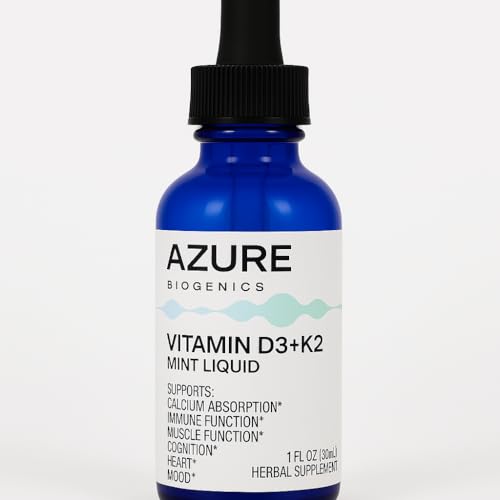
- Vitamin D3 + K2 — Low vitamin D is strongly linked to worsened PMS symptoms and irregular cycles. Most women are deficient without knowing it.
- Women’s Multivitamin — Nutritional insurance for the gaps. Make sure yours is high-quality — most drugstore brands are significantly under-dosed.
Phase-specific support:
- Menstrual phase: Iron Bisglycinate — gentler on digestion than regular iron; helps replenish what you lose. Talk to your doctor before supplementing iron — get levels tested first.
- Luteal phase: Magnesium Glycinate (200–400mg at night) — reduces cramps, bloating, irritability, and sleep disruption in the 10 days before your period. This is the form that actually works without digestive chaos.
- Follicular/Ovulatory: Creatine Monohydrate — supports strength, mental clarity, and recovery. Your muscles use it best when estrogen is high.
Don’t supplement iron without testing first. Too much iron is harmful. Ask your doctor for a ferritin test — this is the storage form of iron and a better indicator than serum iron alone. If your ferritin is low, then supplementing makes sense.
How to Track Your Cycle (The Simple Version)
You don’t need anything fancy. Even a basic period tracking app gives you enough information to start working with your cycle.
The minimum:
- Note the first day of your period (Day 1)
- Track your cycle length for 2–3 months to see your pattern
- Start noticing energy, mood, and focus shifts across the month
If you want more data:
- The Oura Ring 4 tracks body temperature, HRV, and cycle data — helpful for understanding how your body shifts across phases
- The Daysy Fertility Tracker uses basal body temperature to precisely identify your ovulatory window
- Apple Watch Series 10 now includes cycle tracking with ovulation estimates
Want to go deeper on how your daily schedule can sync with your cycle? Read our guide on how to optimize your daily activity through your menstrual cycle.
FAQ: Menstrual Cycle Phases, Answered Simply
Q: What if my cycle isn’t 28 days?
A: Completely normal. Cycles between 21 and 35 days are considered within a healthy range. The phases are proportional — a shorter cycle has a shorter follicular phase, not a missing phase.
Q: Can I really feel different enough to notice these phases?
A: Most women are shocked by how clearly they can identify the phases once they start paying attention. Even just tracking energy and mood for two cycles is usually enough to see the pattern.
Q: Does Magnesium Glycinate really help with PMS?
A: Some research suggests magnesium supplementation can reduce PMS symptoms including mood changes, fluid retention, and cramps — particularly when taken consistently in the 10 days before menstruation. Many women report meaningful improvement within 1–2 cycles.
Q: What’s the best supplement to take for hormone balance overall?
A: A quality Women’s Probiotic is often the most overlooked and impactful place to start —
Q: Should I work out during my period?
A: Yes — gentle movement like walking and yoga can actually reduce cramping and improve mood. You don’t need to push hard. But staying completely sedentary often makes symptoms worse, not better.
Q: What foods make PMS worse?
A: Alcohol, high-sodium foods, caffeine (in excess), and ultra-processed foods tend to worsen bloating, mood swings, and sleep disruption in the luteal phase. They’re not off-limits — just worth dialing back if PMS is significant.
Q: Can perimenopause change how the phases feel?
A: Yes, significantly. As you approach perimenopause, cycles can become irregular, and phases may shift or become less predictable. The PMS symptoms of the luteal phase can intensify as estrogen fluctuates. This is when hormone support supplements become even more important. Read our guide on what’s happening during menopause for more.
- What foods help with period cramps? — Iron-rich foods, Omega-3s (fatty fish, walnuts), and magnesium-rich foods (dark chocolate, nuts) are most supported by research. Read our food + supplement guide.
- When are you most energetic in your cycle? — The follicular and ovulatory phases (roughly days 6–16) are when most women feel their best. Use that energy intentionally.
- Why am I so tired before my period? — Dropping progesterone, disrupted sleep, magnesium depletion, and low iron are the most common causes. Here’s more on low energy.
The Bottom Line
Your cycle isn’t working against you — it’s giving you a roadmap. Each phase has its purpose, its strengths, and its needs. When you work with it instead of white-knuckling through it, everything gets easier.
Start with tracking. Add Magnesium Glycinate in your luteal phase. Prioritize iron after your period. Push hard in your follicular window. That’s the whole system. 💚
The Spring Foundational Guide covers what to take for hormone support all cycle long.Download Free
You’ll get it immediately + a few bonus tips. Unsubscribe anytime.
Shop This Article
We carefully research and select every product mentioned in this article based on quality, ingredients, and reviews—not commissions. Our mission is to simplify wellness for you, and we regularly update our recommendations to bring you the best options.
Magnesium Glycinate (Azure Biogenics) — Take this in the luteal phase (10 days before your period) and during your period. Reduces cramps, bloating, irritability, and sleep disruption. The form that works without digestive side effects.
Omega-3 EPA/DHA (Azure Biogenics) — Anti-inflammatory support across all phases. Particularly helpful for period pain and mood in the luteal phase. Your body can’t make these — you have to supplement.
Vitamin D3 + K2 (Azure Biogenics) — Low vitamin D is linked to worse PMS and irregular cycles. The D3 + K2 combination is what your bones and hormones actually need.
Women’s Probiotic 50 Billion CFU — The gut-hormone connection is real. Your gut bacteria help clear excess estrogen. A quality, strain-specific probiotic is foundational for cycle health.
Iron Bisglycinate (Thorne) — Gentlest form of iron for supplementing after heavy periods. Test before you supplement — ask your doctor for a ferritin level.
Creatine Monohydrate (Azure Biogenics) — Supports strength and mental clarity especially during the follicular/ovulatory window. Read more about why creatine matters for women over 40.
Oura Ring 4 — Tracks body temperature and cycle data alongside sleep and readiness. Helps you see the pattern before you feel it.
Full Spring Foundation Supplement Stack → — All five foundational supplements in one place.
💚 We carefully research and select every product mentioned based on quality, ingredients, and reviews—not commissions.
📚 References (click to expand)
- Fathizadeh N, et al. Evaluating the effect of magnesium and magnesium plus vitamin B6 supplement on the severity of premenstrual syndrome. Iranian Journal of Nursing and Midwifery Research, 2010.
- Chocano-Bedoya PO, et al. Dietary B vitamin intake and incident premenstrual syndrome. American Journal of Clinical Nutrition, 2011.
- Thys-Jacobs S. Micronutrients and the premenstrual syndrome. Journal of the American College of Nutrition, 2000.
- Missmer SA, et al. A prospective study of dietary fat consumption and endometriosis risk. Human Reproduction, 2010.
- Williams NI, et al. Effects of estrogen on skeletal muscle performance and regeneration. Journal of Steroid Biochemistry and Molecular Biology, 2019.
- Barr SI, et al. Menstrual cycle effects on iron status in female endurance athletes. Clinical Journal of Sports Medicine, 1994.
- Bertone-Johnson ER, et al. Calcium and vitamin D intake and risk of incident premenstrual syndrome. Archives of Internal Medicine, 2005.
- National Institutes of Health. Iron fact sheet for health professionals. ods.od.nih.gov, 2023.
- National Institutes of Health. Vitamin B6 fact sheet. ods.od.nih.gov, 2023.
💾 Save this for later | 📲 Send it to a friend who needs it | 💬 Tag someone in your group chat 💚

AZURE BIOGENICS
Heart * Vision * Immunity * Skincare * Gut * Mood

AZURE BIOGENICS
Muscle * Nervous System * Bones * Energy * Mood
AZURE BIOGENICS
Bones * Immunity * Heart * Circulation

AZURE BIOGENICS
Microbial Balance * Vaginal Wellness * Urinary Tracts

AZURE
Workout Performance * Strength & Training * Endurance * Brain Health * Recovery

OURA
Tracks 30+ Biometrics * Water Resistant * HSA/FSA

APPLE
Fitness & Sleep Tracker * Ovulation & Menstrual Cycle Estimates * Fall & Crash Detection

DAYSY
Fertility * Tracker * Non-Hormonal * Body Temp * Subscription Free
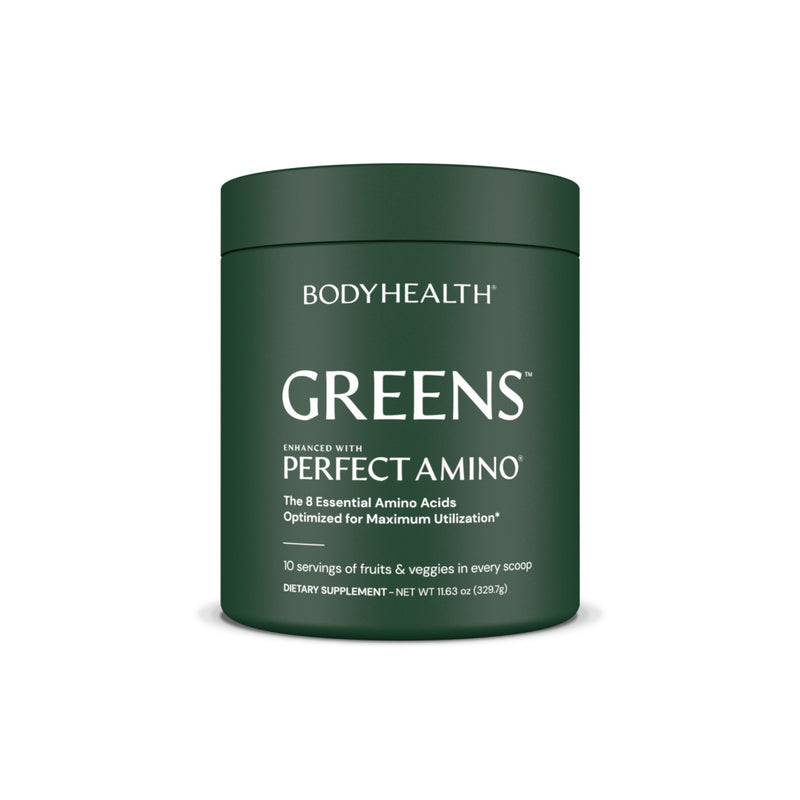
BODY HEALTH
Energy * Gut * Prebiotics * Adaptogens * Antioxidants
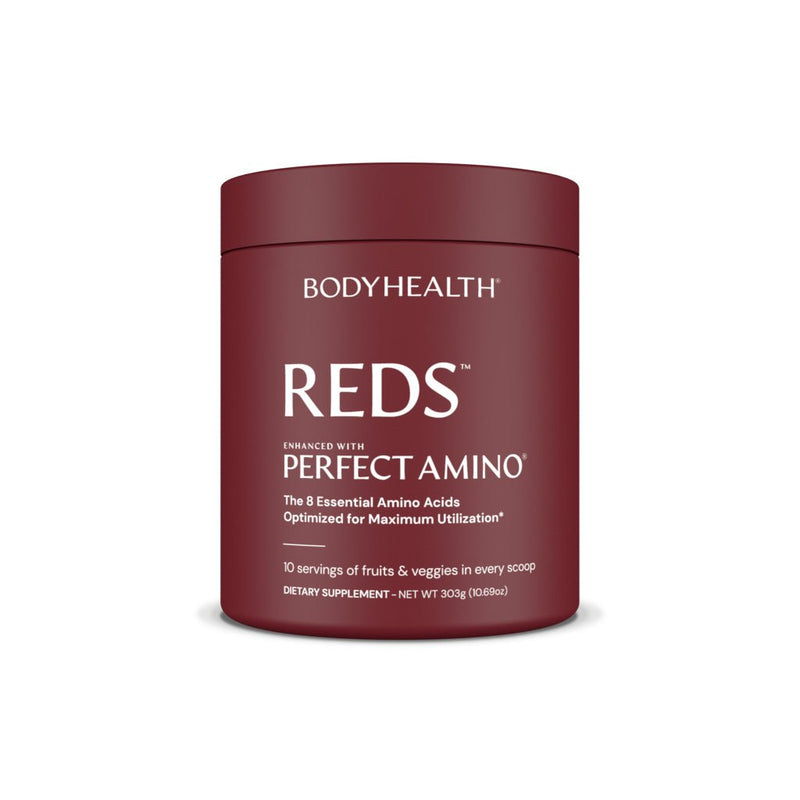
BODY HEALTH
Antioxidant * Mental Focus * Stress * Immunity

YAMAMOTOYAMA
Antioxidants * Digestion * Calming * Weight Loss

CORA
Leak Proof * Medical Grade * Silicone * Eco-Friendly * Up to 12-Hours

LOLA
Non-Toxic * HSA or FSA Eligible * BPA-Free Plastic Applicator

BOSE
Wireless * Spatial Audio * Wear Easy * 24-Hour Battery

JBL
Waterproof * Power Bank USB Charge * 20 hours Playtime

MANDUKA
6mm Cushion * Non-Slip * Eco-Friendly * 100% Latex-Free
MANDUKA
Lightweight * Microfiber * Non-Slip * 71 Inch * Indulge Purple

LISENWOOD
Engromic Design * Washable * Memory Foam
ALLURA & ARCIA
52 Questions * Therapists Recommended * Meditation * Stress


This article provides general information and discussions about health and related subjects. The information and other content provided in this blog, or in any linked materials, are not intended and should not be construed as medical advice, nor is the information a substitute for professional medical expertise or treatment.