


Summary:
- Memory is gathering, encoding, storing, and retrieving information
- Types of Memory: working memory, short-term memory, long-term memory, subconscious memory
- Emotionally charged events are remembered more vividly due to the release of stress hormones
- Strategies to support memory: taking nootropics & adaptogens, adequate sleep, regular physical exercise, and brain-training exercises
- Subconscious memories can be accessed
Solutions/Shop:
How We Remember
We rely on memory every single day—whether it’s remembering where you left your keys or recalling a fun vacation from years ago. But understanding how memory works is a fascinating process involving different brain regions, neural connections, and cognitive functions. Memory isn’t just about storing and retrieving information—it’s about memory formation and retention, which allows us to navigate life, solve problems, and build relationships.
Understanding how to increase memory can allow you to maintain sharp cognitive function and protect long-term brain health. Whether you want to improve learning, recall details more easily, or prevent memory decline, knowing how memory is created and maintained is the key to boosting brain performance.
How Memory Works: The Science Behind Recall
Memory is the brain’s system for gathering, storing, and retrieving information. But it’s not as simple as hitting “save” on a computer. How memory works is through a dynamic process where different brain regions work together to ensure you can recall important details when needed.
At the core of memory formation and retention is the hippocampus, which consolidates short-term memories and moves them into long-term storage. Other parts of the brain also play key roles:
- Prefrontal Cortex – Responsible for short-term and working memory.
- Basal Ganglia – Manages long-term procedural memory (habits and skills).
- Amygdala – Strengthens emotional memories, helping us remember experiences tied to strong emotions.
Memory is more than a mental filing system—it is shaped by neurons, emotions, and experiences. Strengthening it is key to better focus, deeper connections, and lifelong brain health.
Books: Change Your Brain Everyday…, How to Learn Almost Anything in 48 Hours…, The Age-Proof Brain…
How Are Memories Created?
Memory formation involves the brain building and strengthening connections between neurons. This process is known as “synaptic plasticity,” and it reshapes the brain, turning new information into long-lasting memories.
Here are the four key steps in how memory is created:
- Gathering: You take in information from your surroundings.
- Encoding: Your brain translates that information into a format it can store.
- Storage: The brain organizes and stores it for future use.
- Retrieval: You access stored information when needed.
At the core of memory function is the hippocampus, which consolidates short-term memories and helps move them into long-term storage. Other areas of the brain—like the prefrontal cortex for short-term memory and the basal ganglia for long-term procedural memory—play vital roles as well.
Memory is more than a mental filing system; it’s the foundation of our identity, shaped by neurons, emotions, and experiences. Learning how to increase memory is key to sharper focus, deeper connections, and lifelong brain health.
What Are the Types of Memory?
Memory is not a single system; different types of memory serve different functions. Understanding the various types helps improve memory formation and retention and offers insight into how to increase memory effectively.
1. Working Memory
Working memory is like the brain’s temporary workspace. It helps you hold small amounts of information while completing tasks—like remembering a phone number long enough to dial it or following directions in a new area. It’s quick, flexible, and essential for problem-solving and learning.
Working memory differs from short-term memory because working memory actively manipulates information. Think of it as juggling tasks in your mind, like solving a math problem, while short-term memory simply holds the information for a brief period.
2. Short-Term Memory
Short-term memory temporarily holds information for a few seconds or minutes before it’s either forgotten or transferred to long-term storage. You can boost short-term memory through chunking (grouping information) or rehearsing it repeatedly.
While short-term memory doesn’t manipulate information like working memory does, it acts as a temporary holding space before deciding whether information is important enough for long-term memory.
3. Long-Term Memory
Long-term memory is the brain’s archive, where information is stored for years—or a lifetime. The easiest way to think of long-term memory is as a vast storage system. It’s divided into two categories:
- Declarative (explicit) memory: This stores facts and events, like the capital of a country or the details of your last birthday.
- Non-declarative (implicit) memory: This covers skills and habits you don’t consciously think about, like riding a bike or tying your shoes.
4. Subconscious Memory
Subconscious memory operates below your awareness, storing automatic behaviors and beliefs that guide your actions without conscious effort. For example, driving a familiar route or brushing your teeth is influenced by subconscious memory.
Examples of Subconscious Memory:
- Automatically reaching for your phone when you hear a notification sound.
- Typing without looking at the keyboard after years of practice.
- Reacting to a specific smell that triggers a childhood memory.
How to access subconscious memory:
- State-Dependent Memory: Revisit the place or mental state where the memory was formed.
- Sensory Triggers: Certain sights, sounds, or smells can bring subconscious memories to the surface.
- Hypnosis and Guided Meditation: Techniques like these can help you access deep layers of your subconscious.
5. Conscious Memory
Conscious memory, also called explicit memory, involves actively recalling information, such as the plot of a favorite movie or facts from a book. This type of memory can be improved through techniques like repetition and mnemonics.
The Role of Emotion in Memory Retention
Emotionally charged events—whether positive or negative—are often remembered more vividly and for longer periods than neutral experiences. Why? Because emotion acts as a memory booster, making those moments stand out. Memories tied to strong emotions, like fear or joy, trigger the release of stress hormones such as noradrenaline and glucocorticoids. These hormones can enhance memory retention up to a point. However, chronic stress can impair memory function, making it harder to recall details clearly.
Why Do We Forget Some Memories?
Forgetting is a normal brain function that helps prioritize useful information while letting go of unnecessary details. However, stress, trauma, and lack of sleep can negatively impact how memory works. Extreme cases, such as memory suppression, occur when the brain blocks painful memories to protect emotional well-being.
Read more here: Cognitive Behavioral Therapy (CBT): Powerful Coping Strategies for Depression, Mindfulness Therapies, How to Reduce Tossing and Turning at Night
How to Increase Memory and Protect Brain Health
Now that you understand how memory works, let’s talk about some tips on how to increase memory and protect brain health. Here are the easiest ways to boost your brain function:
Nootropics and Supplements: Supplements like creatine, lion’s Mane, NAD+, and Omega-3 fatty acids support cognitive function and memory. Nootropics enhance brain health by improving blood flow, boosting neurotransmitter production, and protecting brain cells.
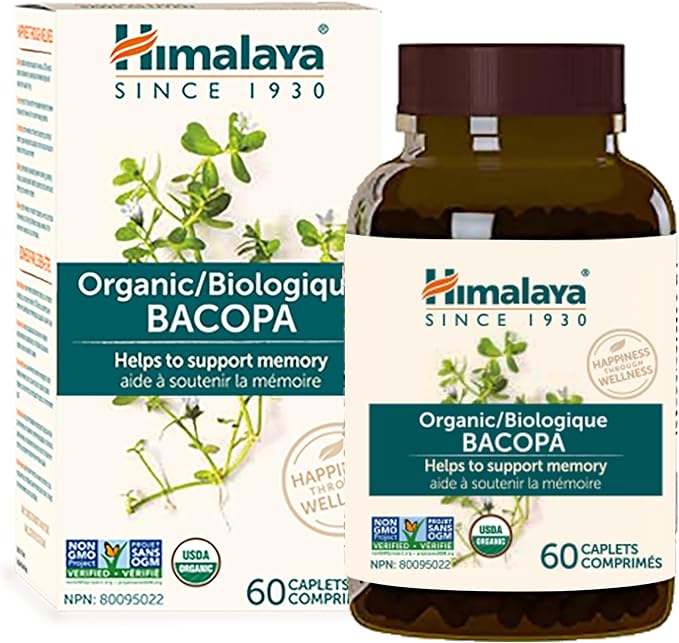
- Adaptogens: Herbs like ashwagandha, ginseng, and bacopa monnieri have been used for centuries to help with stress, focus, and memory. These adaptogens reduce inflammation and oxidative stress, which are key factors in cognitive decline.
- Key Nutrients: Vitamins such as B12, folate, and vitamin D play crucial roles in maintaining brain health. B12 and folate support neurotransmitter production, while vitamin D helps protect brain cells and overall cognitive function.
- Sleep: Sleep is essential for memory consolidation, the process that converts short-term memories into long-term ones. Aim for 7-9 hours of quality sleep each night to allow your brain to repair, regenerate, and store the day’s memories.
- Exercise: Regular physical activity promotes healthy blood flow to the brain, increases brain-derived neurotrophic factor (BDNF), and reduces stress. Exercise also enhances synaptic plasticity, which supports memory formation.
- Brain-Training Exercises: Engage in puzzles, memory games, learning new skills, or reading to challenge your brain and improve memory.
Try: Ashwagandha, Ginseng, Brain Drive, Lions Mane, B12
Read more here: Nootropics: How to Supercharge Your Cognitive Performance, Nootropics Vs. Adaptogens…, The Ultimate Guide to Creatine…
By following these tips on how to increase brain health, you can take a proactive approach to maintaining sharp memory and protecting your brain against cognitive decline.
For those interested in learning more about memory optimization, subscribe to our newsletter to access our comprehensive Wise Guide on memory. How to be mentally sharp starts with the right steps. Your brain will thank you!

AZURE BIOGENICS
Heart * Vision * Immunity * Skincare * Gut * Mood

AZURE BIOGENICS
Concentration * Focus * Premium Mushrooms * Plant Based

AZURE BIOGENICS
Stress * Anxiety * Memory * Focus * Immunity * Hormonal Balance

AZURE BIOGENICS
Energy * Nerves * Mood * Cognition * 500 mcg

MOMENTOUS
Cognition * Brain Support * Memory * Focus

RHO NUTRITION
High Absorption * Longevity * Aging * Energy * Metabolism

AZURE
Workout Performance * Strength & Training * Endurance * Brain Health * Recovery

CHEONGKWANJANG
Energy * Immunity * Fatigue * Stress * Circulation * Brain Booster

THORNE
Methylation * Heart * Nerves * Sleep * Blood Cells


How Memory Works FAQ
1. What are the best ways to improve memory naturally?
Memory can be enhanced through regular exercise, quality sleep, brain-stimulating activities, and a nutrient-rich diet. Supplements like omega-3 fatty acids, lion’s mane, and B12 can also support brain health.
2. How does stress impact memory retention?
Chronic stress releases cortisol, which can damage the hippocampus—the part of the brain responsible for memory formation. Managing stress through mindfulness, exercise, and adaptogenic herbs can help protect memory function.
3. Can memory decline be reversed?
While some memory decline is a natural part of aging, brain plasticity allows for improvement through lifestyle changes. Engaging in memory exercises, learning new skills, and maintaining a healthy diet can slow or even reverse cognitive decline.
4. What role does sleep play in memory consolidation?
Sleep is crucial for memory consolidation, as it allows the brain to transfer short-term memories into long-term storage. Deep sleep stages help strengthen neural connections, making it easier to retain and recall information.