
Summary:
- Iron-boosting foods and spices to combat cramps
- Vitamin B-rich and estrogen-detoxifying foods to support hormone balance
- Fiber-rich foods and B vitamins to reduce fluid retention
- Magnesium-rich foods to alleviate PMS
Solutions/Shop:
- Menstrual Phase: Iron & Magnesium
- Follicular Phase: B Vitamins (B6, B12) & Zinc
- Ovulatory Phase: Omega-3 Fatty Acids & Vitamin E
- Luteal Phase: Calcium & Vitex (Chasteberry)
How to Be Your Best In Every Cycle Phase
Understanding the intricate dance of your menstrual cycle is key to unlocking better health and energy levels. By eating specific foods and taking targeted supplements for each phase, you can significantly improve your overall health, boost your energy, and maintain balanced hormones. This easy guide will help you figure out a diet that synchronizes with your cycle, ensuring you feel your best every day of the month.
Read more: How to Optimize Each Phase of Your Period…
Menstrual Phase Foods
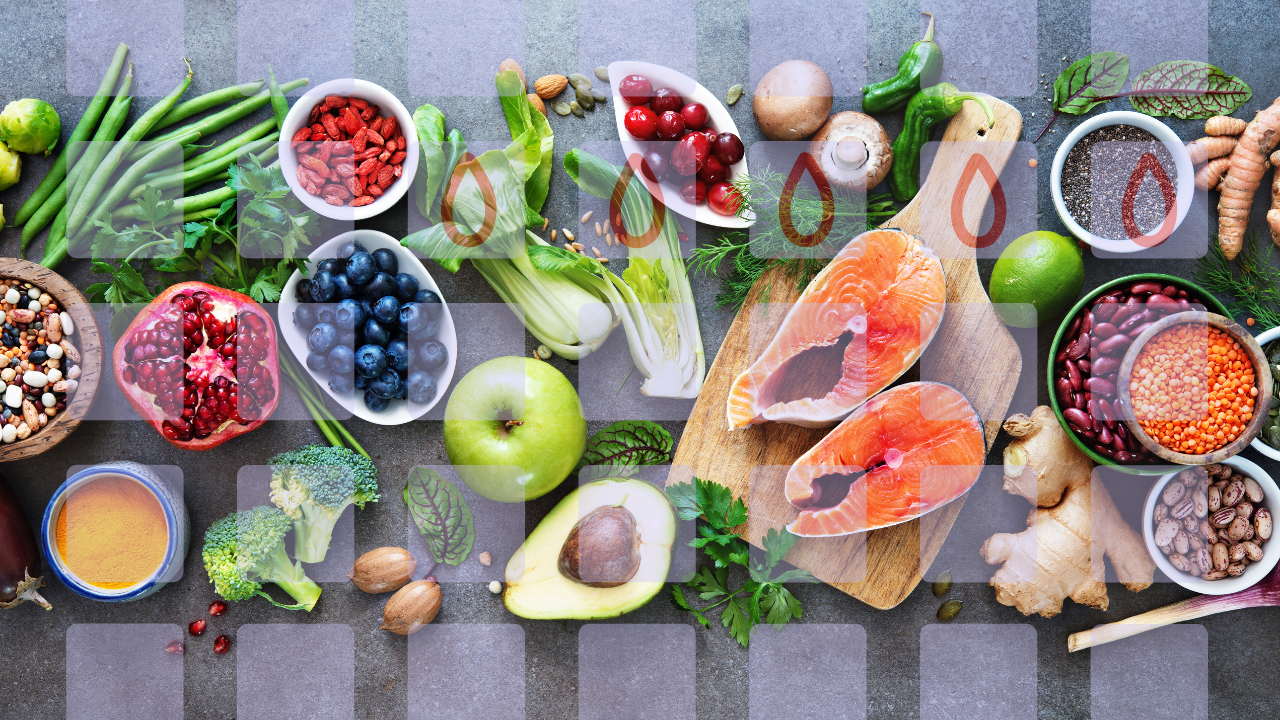
Wondering how to be your best during your period? Start with nourishing, iron-boosting foods to battle menstrual cramps and replenish your energy. The easiest way to do this? Load up on beef, fish, and poultry (and don’t forget liver—it’s a powerhouse!). Spice it up with turmeric, ginger, cinnamon, cayenne, cardamom, cumin, garlic, parsley, and curry. These anti-inflammatory foods will make your body thank you.
Don’t forget your greens and reds: spinach, kale, collard greens, broccoli, mushrooms, beets, bell peppers, lentils, kidney beans, chickpeas, citrus fruits, strawberries, cherries, mango, and papaya. Variety is the spice of life—and wellness.
Menstrual Phase Supplements: What is Essential for Your Cycle
- Iron: What is the key to replenishing your iron levels after blood loss? Iron supplements!
- Magnesium: Your secret weapon against menstrual cramps and for promoting relaxation.
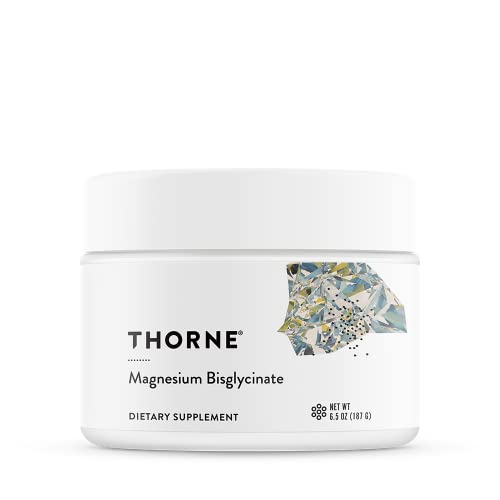
Try: Portable Heating Pad, Heating Patches, Iron, Magnesium Glycinate, Magnesium Bisglycinate
Read more: Magnesium Matters…
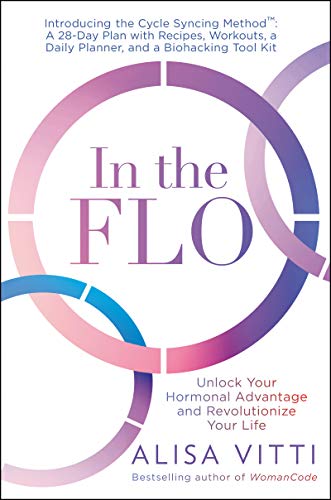
Books: In the FLO: Unlock Your Hormonal Advantage…
Your menstrual cycle is a powerful rhythm that can guide your wellness. Iron-rich foods and magnesium ease menstruation, while B vitamins and healthy fats boost energy and support balance during other phases. By syncing your care with your cycle, you can enhance your mood, energy, and overall health all month long.
Follicular Phase Foods: Tips to Increase Energy and Support Estrogen Detox
Tips on how to increase your energy during the follicular phase? Power up with Vitamin B-rich foods—100% whole grains, meat, eggs, dairy, nuts, and seeds. Cruciferous veggies like broccoli, cauliflower, and cabbage are your best friends, aiding in estrogen detox.
Sweet potatoes, olives, leafy greens, nuts, and seeds, high in Vitamin E, nourish those growing follicles. Bonus: you’re more insulin-sensitive now, so feel free to enjoy more carbs without the guilt.
Follicular Phase Supplements: Support Hormone Balance and Energy
- B Vitamins (B6, B12): Tips on how to boost your energy and balance those hormones? Incorporate B vitamins!
- Zinc: Crucial for hormone regulation and menstrual cycle support.
Try: Vitamin B Complex, B6, B12, Zinc, Vitamin E, Bone Broth Protein
Read more: Secrets To Longevity Through Food…
Ovulatory Phase Foods: How to Optimize Your Diet During Ovulation
Stick with the good stuff from the follicular phase and add fiber-rich foods and plenty of water to reduce fluid retention. Parsley, celery, and green tea are your go-to choices. Foods rich in B vitamins are essential—leafy greens, wild-caught salmon, eggs, legumes, and grass-fed beef.
Ovulatory Phase Supplements: Support Hormone Health and Reduce Inflammation
- Omega-3 Fatty Acids: The easiest way to reduce inflammation and support overall hormone health.
- Vitamin E: Essential for fertility support and hormone balance.
Read more:Ovulation: Is It 14 Days?
Luteal Phase Foods: How to Be in Harmony with Your Hormones
How to be in harmony with your hormones during the luteal phase? Embrace hormone-loving fats like sunflower seeds and tahini to assist with estrogen detox. Magnesium-rich foods such as spinach, dark chocolate, legumes, avocado, banana, raspberries, and wild-caught salmon will help alleviate those pesky PMS symptoms.
Your hunger levels are naturally higher now—listen to your body and nourish it with an extra healthy snack. Your hardworking body deserves it!
Luteal Phase Supplements: Promote Relaxation and Balance Hormones
- Calcium: Helps ease premenstrual symptoms and promotes relaxation.
- Vitex (Chasteberry): Supports progesterone levels and balances hormones.
Try: Calcium, Vitex, Multivitamins
Read more: How Menstrual Cycle Phases Affect Mood and Mental Health
Take Action and Feel in Control
Now that you know how to be in sync with your menstrual cycle, it’s time to take action. Explore the books, products, and supplements discussed to fully support each phase. By incorporating these tips and essentials into your routine, you’ll feel in control and excited about your well-being. Remember, your body is a temple—treat it with the love and care it deserves. Optimize your menstrual cycle and feel your best every phase of the month.

AZURE BIOGENICS
Heart * Vision * Immunity * Skincare * Gut * Mood

SMARTY PANTS
Thyroid Support * Energy * Metabolism * Bones * Heart

AZURE BIOGENICS
Muscle * Nervous System * Bones * Energy * Mood
THORNE
Calmness * Clarity * Sleep * Energy * Metabolism

PURE ENCAPSULATIONS
Nervous System * Brain * B Vitamins * Non-GMO

PURE ENCAPSULATIONS
Energy * Immunity * Antioxidant * Red Blood Cell Production

THORNE
Antioxidant * Cardiovascular * Cellular Function * Vision * Skin * Fertility

PURE ENCAPSULATIONS
Energy * Mood * Nervous System * Cognition

THORNE
Methylation * Heart * Nerves * Sleep * Blood Cells

VIMERGY
Immunity * Antioxidant * Vision * Longevity * Skin * Memory

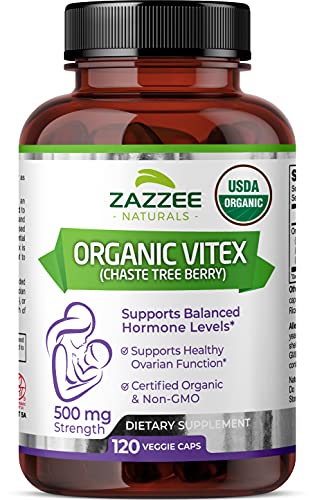
ZAZZEE
Menstrual Support * PMS * Menopause * Hormonal Balance

ANCIENT NUTRITION
Skin * Joints * Gut * Brain * Keto Friendly

LOLA
Disposable * 11Hr Relief * 3 Count
This article provides general information and discussions about health and related subjects. The information and other content provided in this blog, or in any linked materials, are not intended and should not be construed as medical advice, nor is the information a substitute for professional medical expertise or treatment.