

Summary:
- Only 13% of people with cycles have a 28-day cycle
- After ovulation, the egg is viable for roughly 24 hours
- Age, pregnancy, excessive exercise, stress, chronic conditions & more impact cycle length
Solutions/Shop:
The Myth of Ovulation
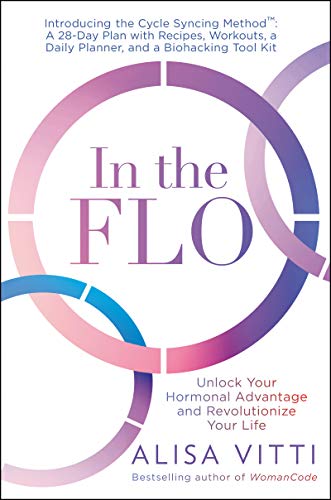
If you’ve heard that ovulation occurs halfway through, or on day 14, of your menstrual cycle, you’re not alone. While it’s common to see ovulation predicted exactly 14 days after the start of your period, this isn’t true for everyone! The myth about ovulation occurring on day 15 comes from the myth about cycles being 28 days long. That may be true on average, but research by Natural Cycles on 600k+ cycles shows only 13% of people with cycles have a 28-day cycle. Try: Oura Ring 4, Oura Ring 3, Fertility Management App. Read more: How to Optimize Each Phase of Your Period for Enhanced Daily Performance Books: In the FLO: Unlock Your Hormonal Advantage…
What is Ovulation?
Let’s back up for a moment. As a refresher, ovulation occurs when a mature egg is released from the ovary. After release, the egg travels down the fallopian tube toward your uterus, where it stays for 12 to 24 hours, and where it can be fertilized. And while this process does occur about halfway through your cycle, it’s certainly not as exact as the 15th day for every person who menstruates. The idea that ovulation occurs halfway through your cycle can be ascribed to logic that, on average, the cycle can be divided into two “equal” halves: the follicular phase and the luteal phase. But these two halves are typically not evenly divided. In fact, the luteal phase can range from the last 12 to 16 days of the cycle, while the follicular phase is even more variable in length, both within and among individuals. Books: Fix Your Period…
When Do Some Women Ovulate?
Based on aggregated and de-identified data from 2,500 Oura members who have logged their ovulation, here is the distribution of length of the follicular phase (time between day one of period and ovulation): The typical number of days between period onset and ovulation for Oura members ranges from about 8 days up to 25 days. Try: Fertility Test for Men Books: Birth Control: The Insidious Power Men Have Over Women…
Why is Knowing Your Precise Ovulation Date Important?
Your fertile window is determined by ovulation, so knowing the exact date is incredibly important! After ovulation, the egg is viable for roughly 24 hours, so for people trying to conceive, knowing precisely when they are most fertile is key to improving success rates. Your fertile window, however, begins prior to ovulation, because sperm is viable in the female body for up to 5 days. Whether the goal is conception or contraception, knowing exactly when this window occurs helps take the appropriate actions while minimizing risks for undesired outcomes. Try: Omega-3’s, Organic Tampons, Menstrual Cup, Heating Patches Read more: Essential Foods and Supplements for Menstrual Cycle Health
What Impacts the Length of Menstrual Cycles?
Many factors can lead to variations in the length of a menstrual cycle. Typically, the causes behind variations in cycles are more complex than one specific factor having an all or none impact, and usually, these contributors are tied together with other contributors and balances.
Age:
In general, with increasing age, cycle length reduces and the timing of ovulation becomes earlier. The variation in cycle length also lessens with age until around the age of 40, when most people who menstruate enter the journey of perimenopause and menopause, and when cycles become more variable. Try: Meta-balance Menopause Nutrients, Women’s Multivitamin Gummy Read more: How to Protect Your Brain Processes With Nutrients as You Age Books: Ageless Aging: The Women’s Guide…
Pregnancy:
Periods stop during pregnancy because the ovaries no longer release eggs.
Breastfeeding:
For some women, periods do not return until after breastfeeding ends. For others, periods may resume within a few months of giving birth. Given this variability, and because ovulation (hence potential for pregnancy) happens before menstruation, doctors do not recommend using breastfeeding as a contraceptive method!
Excessive exercise:
Note that while some studies have found that exercise impacts the menstrual cycle, others have not. In one study, physical activity of 4 or more hours per week was associated with an increased cycle length, “which could be due to a dampening of FSH pulses during the luteal-follicular transition, leading to delayed maturation of the next cohort of follicles,” according to the study authors. Also noteworthy: Other research finds reduced menstrual symptoms in women who exercise, and some studies show that regular exercise can improve some symptoms of premenstrual syndrome (e.g., mood disturbance, fatigue, cognitive dysfunction, and bloating). Read more: How Yoga Enhances Physical and Mental Wellness
Stress:
Studies show that psychosocial factors can have an impact on women’s health in general and on the menstrual cycle in particular. Anxiety, perceived stress, and depressive symptoms are associated with an increased prevalence of menstrual cycle irregularity. Try: Ashwagandha, Ashwagandha Tea, L-theanine, Calm CBD Read more: Why Am I Stressed and What Do I Do About It?, Meditation Benefits…, Steps to Meditation…, Types of Breathwork Techniques…
Body weight:
Being overweight is associated with a higher probability of long cycles. Studies show that women with a BMI greater than 25 have a higher possibility of developing irregular menstruation. Additionally, women who are underweight have a slightly higher probability of developing menstrual cycle irregularity than those with a BMI of 20–25 BMI. Read more: Weight Loss: The Impactful Side Effect of Physical Fitness, Empowering Ways to Lose Weight Without Counting Calories
Chronic medical conditions and acute illness:
Certain medical conditions, including thyroid issues, hyperprolactinemia, or polycystic ovary syndrome (PCOS), are also known to cause irregular periods.
Cigarette smoking:
Smoking is associated with a significant decrease in average follicular phase length, while lifetime smoking was also correlated with early menopause.
Marijuana use:
Occasional and frequent marijuana use is associated with longer follicular phases.
Alcohol consumption:
Drinking alcohol has been shown to lead to a reduction in long cycles and changes in hormone dynamics.
So, What is The Truth?
The myth that ovulation always occurs on the 14th or 15th day of a menstrual cycle oversimplifies the complexity of reproductive health. Every person’s cycle is unique, influenced by factors like age, stress, lifestyle, and underlying health conditions. Understanding your own cycle and tracking ovulation accurately is essential for achieving personal health goals, whether it’s conception, contraception, or simply gaining a deeper awareness of your body. By breaking down misconceptions and embracing individualized care, you can make informed decisions that align with your needs. Other factors could include catastrophic events (e.g. war), large fluctuations in weight, disordered eating or famine, or certain medications.

OURA
Tracks 30+ Biometrics * Water Resistant * HSA/FSA

DAYSY
Fertility * Tracker * Non-Hormonal * Body Temp * Subscription Free

PROOV
Home Test * Predicts Fertility * Confirms Ovulation * App Insights

INITO
Tracks Estrogen * LH * PdG * FSH * Predicts & Confirms Ovulation
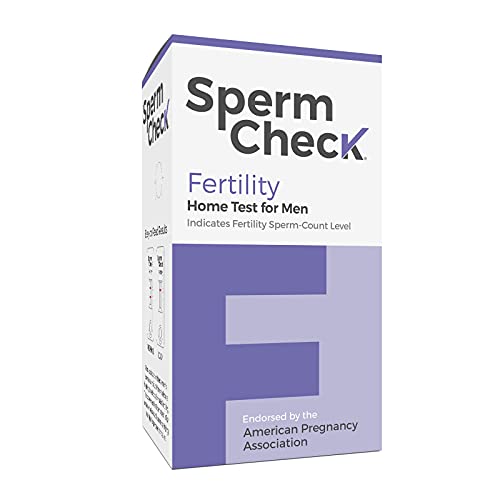
SPERM CHECK
Home Test * Easy to Read Results * Convenient * Accurate * Private

AZURE BIOGENICS
Heart * Vision * Immunity * Skincare * Gut * Mood

SMARTY PANTS
Thyroid Support * Energy * Metabolism * Bones * Heart
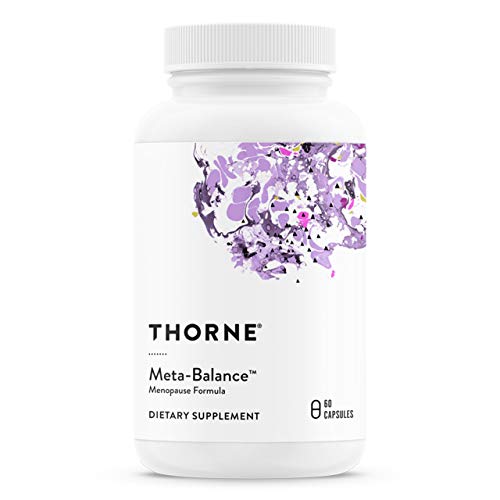
THORNE
Libido * Hot Flashes * Menopausal Support * Mood
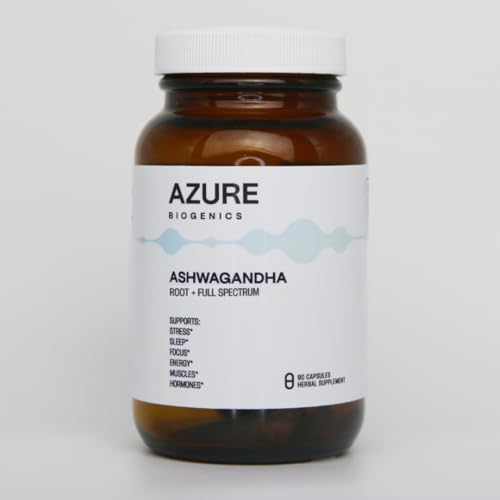
AZURE BIOGENICS
Stress * Anxiety * Memory * Focus * Immunity * Hormonal Balance

FULLCHEA
Stress * Energy * Immunity * Sleep * Antioxidants

MARYRUTH'S
Cognition * Focus * Stress * Anxiety * Quality Sleep


SAALT
Eco-Friendly * Cost Effective * No Harmful Chemicals * Longer Wear

CORA
Leak Proof * Medical Grade * Silicone * Eco-Friendly * Up to 12-Hours

LOLA
Non-Toxic * HSA or FSA Eligible * BPA-Free Plastic Applicator

LOLA
Non-Toxic * HSA or FSA Eligible * BPA-Free Plastic Applicator

LOLA
Disposable * 11Hr Relief * 3 Count