

Summary:
- Create a self-care checklist/planner
- Focus on sleep, nutrition, and exercise
- Combine self-care needs like exercise and friendship
- Skipping out on commitments, and using social media/TV to excess, are not self-care
- Invest in things that will support your personal growth
- When you feel well, you can handle life’s responsibilities
Solutions/Shop:
Self-Care Habits: Why Prioritizing Yourself Matters
Self-care is about making sure your cup is full. If your cup isn’t full, you have nothing to give. You’re depleted, unable to enjoy life or meet your responsibilities. Understanding why self-care is important is the first step to making it a priority in your daily routine.
Let’s get real: I’m tough on myself, and I’ll be tough on you too. It’s all too easy to burn the candle at both ends with work, kids, TV binges, and neglecting essentials like supplements, workouts, or time with friends. Then, exhaustion hits, and you’re left disappointed for not keeping your cup full. You end up wasting time on the internet or TV in the name of self-care. No, this isn’t self-care—it’s negligence.
Why Self-Care is Important: The Reality of Caring for Yourself
Real self-care isn’t about comfort in the form of excuses from friends or partners. Without a plan, self-care is haphazard and leaves you vulnerable to what you don’t want—feeling crappy about yourself. Real self-care isn’t a cop-out for skipping work. It’s about caring more and doing something about it. Flaking in the name of self-care hurts your overall well-being.
When you feel physically and emotionally well, you can handle your job, household, and responsibilities. You have energy for your friends, family, or partner. You carve out time to do what you love—things that help you navigate stress in healthy, productive ways. This is why self-care habits that promote mind and body wellness are crucial.
Self-care isn’t about being lazy or avoiding responsibilities. Ignoring things you usually want to do creates bad habits in your brain. Self-care and mental health go hand in hand—taking care of yourself proactively can help prevent burnout and stress.
Self-care is proactive. It’s about carving out the right things to nourish your mind, body, and soul, so you can do everything you want and need to do. It’s about being organized and on top of your responsibilities. The easiest way to ensure you’re practicing real self-care is to plan your time wisely. When you plan your self-care time and handle your commitments, missing one here and there is just fine.
Read more here: The Ultimate Guide to Holistic Self-Care, How to Recharge, Making Self-Care a Lifestyle
How to Create a Self-Care Plan for a Balanced Life
If you’re feeling depleted and in need of self-care, instead of doom-scrolling or indulging in retail therapy, the best thing you can do is create a self-care plan. If you already have one, refer to it so you know what will fill you up, relax you, nourish you, pamper you, or make you happy right now.
There’s no one-size-fits-all self-care checklist. A solid self-care plan will reflect your specific needs, habits, and time considerations. It might take effort to develop, but it’s worth it in the long run.
Self-Care Habits for Everyday Wellness
When it comes to self-care habits, the best practice is regular practice. Self-care and mental health should go hand in hand, meaning that tending to your needs consistently can help prevent high stress in the first place.
Reminisce on the Past
Think of a time when you felt happy and positive about life. What contributed to this mindset? As you identify key moments and actions that helped you find peace before, explore ways to incorporate them into your present life.
Books: Finding Flow…
Physical Facets of Self-Care
- Sleep: Most adults need around 7 to 9 hours of sleep each night. Not getting enough quality sleep regularly can affect your mood, concentration, and physical wellness. Plan to fit in good sleep when you can to allow for times when you can’t.
- Nutrition: Good nutrition involves not just the types of food you eat, but also planning meals to avoid stress and remembering to take your supplements. Eating a balanced diet and choosing nourishing foods help protect your wellness. The cost of takeout might add up, but if it allows you to spend more time with your children and you can afford it, it might be worth it.
- Exercise: Adults should get a minimum of 150 minutes of moderate-intensity activity each week. Exercise shouldn’t feel like a chore—choose activities you enjoy. If you don’t have time for a long workout, maybe it’s 10 minutes in the morning and another 10 after work. Plan what you can implement and make it a routine.
Try combining self-care habits. For example, meet a friend for a hike and then treat yourself to a fun dinner. Boom—three things on your self-care plan checked off, and you feel great.
Try: Ashwagandha, Multivitamin
Read more here: Why Sleep Matters
Books: Fierce Self-Compassion…, First We Make The Beast Beautiful…
How to Strengthen Self-Care and Mental Health
- Stress Reduction: Stress levels significantly impact mental health. Explore what’s currently stressing you out. How are you managing these issues? Can you eliminate any? If not, how can you handle them more effectively? Know your go-to stress reducers, like breathing exercises, stepping outside, asking for a shoulder rub, or having a cup of tea. List these in your planner so you have a remedy ready when stress arises.
- Boundaries: Strong boundaries protect the time you set aside for yourself, keeping stress in check. Eliminate toxic people from your life. Reflect on who you want to be in your relationships. Set limits by saying no when something isn’t for you, not volunteering for extra work, and communicating your needs directly to others.
- Therapy: Counseling is an important part of self-care and mental health. Working through mental health symptoms with a professional can potentially improve emotional and physical health. Therapy provides space to explore coping strategies and talk through anything on your mind.
Try: Planner
Simple Steps to Build Strong Self-Care Habits
Chances are, you’re already taking some steps to meet your needs. When you feel your best, note what you’re doing to support your wellness. Sometimes, self-care habits are as simple as doing more of what already works. Remember, you know what’s best for you. Having a self-care plan makes it easier to implement.

AZURE BIOGENICS
Longevity * Mood * Digestive * Eye Health * Immune Support

AZURE BIOGENICS
Stress * Anxiety * Memory * Focus * Immunity * Hormonal Balance

WELLNESS SIMPLIFIED
9 Colors * 188 Pages * Lined Paper


HIGHERDOSE
Potent * Magnesium Flakes * Stress * Relaxation * Detoxification
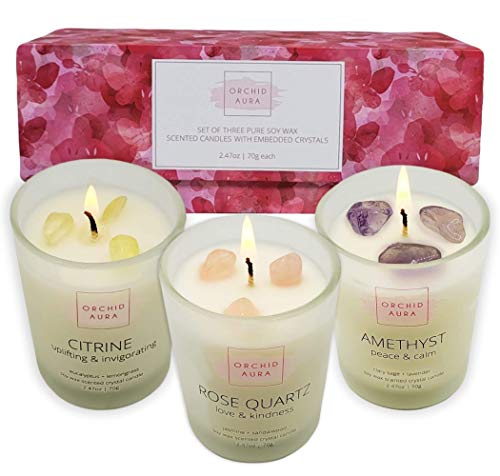
ORCHID AURA
Healing Crystals * 3PC Scented Candle Set (2.47oz) * Floral Variants
ALLURA & ARCIA
52 Questions * Therapists Recommended * Meditation * Stress



This article provides general information and discussions about health and related subjects. The information and other content provided in this blog, or in any linked materials, are not intended and should not be construed as medical advice, nor is the information a substitute for professional medical expertise or treatment.