
Summary:
- Quality sleep allows your body to repair and your mind to process information
- Most adults need 7-9 hours per night
- Go to bed and wake up at the same time every day, even on weekends.
- Align your sleep schedule with your circadian rhythm
- Avoid blue light before bed
Solutions/Shop:
- Sleep: Magnesium Glycinate, Vitamin D, Valerian Root and Melatonin
- Everyday Diet: Vitamin D, Magnesium Glycinate, vitamin B-12
- Anxiety:Ashwagandha
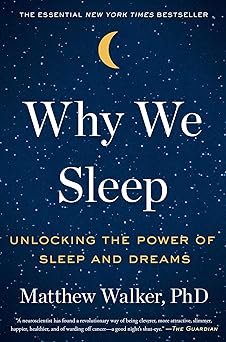
- Books: The Circadian Code, Why We Sleep and Supercharge Your Sleep
Still dragging yourself out of bed after 8 hours of sleep?
You’re not broken, and you’re not alone.
The problem isn’t your sleep quantity—it’s your sleep quality. And if nobody’s told you this yet: you can sleep 9 hours and still wake up exhausted if you’re missing the deep, restorative stages your body actually needs.
Here’s what’s happening: Your sleep is getting interrupted (even if you don’t remember waking up), you’re not cycling through the right stages, or your body’s internal clock is completely out of sync.
The short answer: To improve sleep quality, focus on four things: consistency (same bed/wake times daily), environment (dark, cool room at 65-68°F), avoid screens 1 hour before bed, and consider magnesium glycinate (200-400mg before bed) for nervous system support.
I researched the science so you don’t have to. Here’s the straightforward protocol that actually works: optimize your environment, sync your circadian rhythm, build a wind-down ritual, and add strategic supplement support.
No wellness guru nonsense. No complicated tracking. Just what works.
We got your back, sister. Let’s get you sleeping like you deserve. 💚
“Quality sleep isn’t measured in hours—it’s measured by how you feel when you wake up.”
💡 KEY TAKEAWAYS:
- Quality beats quantity – 6 hours of deep sleep restores you better than 9 hours of fragmented rest
- Consistency is everything – Same sleep schedule (even weekends) strengthens your circadian rhythm within 1 week
- Environment matters – Dark, cool (65-68°F), quiet bedroom = deeper sleep stages
- The right magnesium helps – Glycinate form supports relaxation; Oxide form causes digestive chaos
- Results take 2-4 weeks – First week = adjustment, weeks 2-4 = where the magic happens
✅ QUICK START (Do This Tonight):
- Set your wake time – Pick one time and stick to it (within 30 min) every single day
- Cool your room – Turn thermostat to 65-68°F or crack a window
- Start a 60-min wind-down – No screens, dim lights, calm activities only
📥 P.S. Want a complete guide to building your wellness foundation this spring?
We created a free step-by-step blueprint that covers sleep, energy, supplements, and simple habits that actually stick.
Table of Contents
- What Is Quality Sleep (And Why 8 Hours Doesn’t Cut It)
- How to Improve Sleep Quality: The Science-Backed Protocol
- The Sleep Quality Mistakes Everyone Makes
- What to Expect: Your Sleep Quality Timeline
- How to Choose Sleep Supplements (Quality Matters)
- Safety + Who Should Be Cautious
- Frequently Asked Questions About Sleep Quality
What Is Quality Sleep (And Why 8 Hours Doesn’t Cut It)
Let’s clear this up right now: sleeping 8 hours doesn’t mean you’re getting quality sleep.
You can clock a full night and still wake up exhausted if your sleep is fragmented, shallow, or missing the restorative stages your body needs.
Quality sleep is about cycling through all sleep stages without interruption—light sleep, deep sleep, and REM sleep. Each stage serves a purpose, and skipping or shortening any of them leaves you feeling like garbage.
The Sleep Stages That Actually Matter
Light Sleep (Stages 1-2): Your body transitions into sleep mode. Your heart rate slows, muscles relax, and your brain starts powering down.
Deep Sleep (Stage 3): This is where the magic happens. Your body repairs muscles, strengthens your immune system, and regulates hormones. Miss this stage? You wake up feeling like you got hit by a truck.
REM Sleep: Your brain processes emotions, consolidates memories, and supports cognitive function. This is the “mental clarity” stage—skip it and you’ll be foggy all day.
Want to understand the science behind these stages? Check out our detailed guide on the 4 stages of sleep.
💡 KEY FACT:
Adults cycle through these stages 4-6 times per night. Each cycle lasts about 90 minutes. Interruptions (even ones you don’t remember) reset the cycle, preventing you from reaching deep and REM sleep.
Signs You’re Getting Quality Sleep
How do you know if your sleep quality is actually good? Here’s what to look for:
- You wake up naturally – No alarm needed (or you wake shortly before it goes off)
- Immediate energy – You don’t need 20 minutes and 2 cups of coffee to function
- Sustained energy – No mid-afternoon crash or exhaustion by 2pm
- Mental clarity – Sharp focus, good memory, quick decision-making
- Emotional stability – Less reactive, better stress management
- Physical wellness – Faster recovery from workouts, fewer colds
Signs Your Sleep Quality Sucks (Even If You Sleep 8 Hours)
Real talk: If any of these sound familiar, your sleep quality needs work.
- You hit snooze 3+ times every morning
- You feel foggy or “in a haze” for hours after waking
- You crash hard in the afternoon (2-4pm energy nosedive)
- You rely on caffeine just to feel “normal”
- You’re more irritable, anxious, or emotionally fragile
- You get sick more often than you used to
- Your skin looks tired (dark circles, dullness)
If you’re nodding along thinking “yep, that’s me”—keep reading. We’re fixing this.
Struggling with energy even when you think you’re sleeping enough? Read our guide on why you’re still exhausted during the day.
How to Improve Sleep Quality: The Science-Backed Protocol
Okay, here’s the good stuff. This is the 4-step protocol that actually moves the needle on sleep quality.
No fluff. No “try this one weird trick.” Just what research consistently shows works.
Step 1: Fix Your Sleep Environment (The Sleep Sanctuary)
Your bedroom should signal one thing to your brain: It’s time to sleep.
Here’s how to make that happen:
Temperature: 65-68°F (18-20°C)
Your body temperature naturally drops during sleep. A cool room supports this process and helps you reach deeper sleep stages faster.
Too warm? You’ll toss, turn, and spend more time in light sleep instead of restorative deep sleep.
✅ QUICK TIP:
If your room runs hot, try a cooling pillow or breathable cotton sheets. Game-changer.
Darkness: Blackout-Level Dark
Even small amounts of light (like your phone charger LED or streetlight) suppress melatonin production and disrupt your sleep cycles.
Solution: Blackout curtains, eye mask, or cover any light sources with black tape. Yes, really.
Noise: Minimize or Mask It
Sudden noises—car alarms, your partner’s snoring, the neighbor’s dog—fragment your sleep even if you don’t fully wake up.
Options: Earplugs, white noise machine, or a fan for consistent background noise.
Comfort: Mattress + Pillow Quality
If your mattress is over 7-10 years old or your pillow is lumpy? You’re sabotaging yourself.
You don’t need to spend $3,000. Just get something that supports your sleeping posture and doesn’t leave you sore.
Step 2: Master Your Sleep Timing (Circadian Rhythm Sync)
Your body has an internal clock (circadian rhythm) that controls when you feel sleepy and when you feel alert.
Fighting it = exhausting. Working with it = effortless.
Same Wake Time Every Day (Yes, Even Weekends)
This is the #1 thing that strengthens your circadian rhythm.
Pick your wake time and stick within 30 minutes—every single day. Even on weekends. Even when you had a late night.
Why? Sleeping in on Saturday creates “social jet lag” and disrupts your rhythm all week.
💚 REAL TALK: The first weekend you skip sleeping in will feel brutal. By week 2-3, you’ll wake up naturally at your set time without an alarm. That’s when you know your rhythm is locked in.
Morning Light Exposure
Get natural light within 30-60 minutes of waking up. This signals your brain “it’s daytime” and reinforces your circadian rhythm.
Bonus: It also helps you produce melatonin at the right time later (about 14-16 hours after morning light exposure).
Dim Lights in the Evening
As the sun sets, start dimming your lights. This tells your body “bedtime is coming.”
Bright overhead lights at 9pm? Your brain thinks it’s still midday. Not helpful.
Step 3: Build Your Pre-Sleep Ritual (The Wind-Down Hour)
You can’t go from scrolling Instagram under fluorescent lights to “falling asleep instantly.” Your brain doesn’t work that way.
You need a transition period—about 60 minutes before bed.
No Screens 60 Minutes Before Bed
Blue light from phones, tablets, and laptops suppresses melatonin for 2-3 hours.
Translation: That “quick scroll” at 10pm is why you’re still awake at midnight.
If you absolutely must use screens, use blue light blocking glasses or enable night mode (though just avoiding them is better).
Calm Activities Only
Use your wind-down hour for genuinely relaxing activities:
- Reading (physical books, not tablets)
- Gentle stretching or yoga
- Meditation or breathing exercises
- Journaling
- A warm bath or shower
Mind Your Meals + Substances
Avoid these close to bedtime:
- Heavy meals: Finish eating 2-3 hours before bed
- Caffeine: Cut off by 2pm (it has a 6-hour half-life)
- Alcohol: Seems like it helps you sleep, but actually fragments your sleep cycles and prevents deep sleep
Feeling stressed about sleep? Read our guide to stress-free sleep approaches for a different perspective.
Step 4: Strategic Supplement Support (What Actually Works)
Supplements don’t replace good sleep habits—they support them.
Think of them as the finishing touch, not the foundation.
Here’s what research shows actually helps:
Magnesium Glycinate (200-400mg before bed)
Supports muscle relaxation, nervous system calm, and helps you transition into deep sleep.
Why glycinate? It’s highly absorbable and doesn’t cause the digestive issues that magnesium oxide does.
⚠️ Avoid: Magnesium Oxide (cheap, poorly absorbed, gives you digestive “fun” you don’t need)
Vitamin D3 + K2
Vitamin D plays a role in regulating your sleep-wake cycle. Many people are deficient, especially in winter.
K2 helps your body use D3 properly (for bone health and calcium metabolism).
Melatonin (Occasional Use Only)
Melatonin works best for jet lag or shift work—not for daily long-term use.
Why? Your body makes its own melatonin. Taking it every night can disrupt your natural production.
If you do use it: 0.5-3mg, 30-60 minutes before bed. Start low.
Others Worth Considering:
- Ashwagandha: Reduces stress and anxiety that interferes with sleep
- L-Theanine: Promotes relaxation without drowsiness
- Valerian Root: Herbal sleep aid (some research shows moderate benefits)
We’ll cover how to choose quality supplements in the next section.
Ready to Build Your Complete Wellness Foundation?
Sleep is just one piece of the puzzle. Our free Spring Foundation Guide walks you through exactly how to build sustainable habits for sleep, energy, mood, and physical wellness—all in one place.
Inside you’ll find:
- The 5-supplement starter stack (what to take, when, and why)
- Step-by-step sleep optimization protocol (this article + implementation tools)
- Energy-boosting frameworks that actually stick
- Habit-stacking templates so you don’t have to overthink it
This is the blueprint we wish someone handed us years ago. It’s yours, free.
Get Your Free Spring Foundation Guide
You’ll get the guide immediately + a few emails with bonus tips. Unsubscribe anytime (but we think you’ll like it 💚).
The Sleep Quality Mistakes Everyone Makes
Even when you’re trying to improve your sleep, these common mistakes can sabotage your progress.
Let’s fix them before they derail you.
Mistake #1: Inconsistent Sleep Schedule (Even on Weekends)
The problem: You’re strict Monday-Friday, then sleep in 2-3 hours on Saturday and Sunday.
What happens: This creates “social jet lag”—your body doesn’t know what time zone you’re in. Your circadian rhythm gets confused, and Monday morning feels brutal.
The fix: Stick to your wake time within 30 minutes, even on weekends. Yes, it sucks at first. By week 3, you’ll wake up naturally without an alarm.
Mistake #2: Late-Night Screen Time (Blue Light Is Not Your Friend)
The problem: You scroll Instagram or watch Netflix until you feel “tired enough” to sleep.
What happens: Blue light suppresses melatonin for 2-3 hours. That “I’ll just check my phone for 5 minutes at 10pm” is why you’re awake at midnight.
The fix: Screens off 60 minutes before bed. Non-negotiable. Read a book, stretch, journal—anything without a glowing rectangle.
Mistake #3: Taking the Wrong Magnesium (Oxide = Digestive Chaos)
The problem: You grab the cheapest magnesium at the drugstore (usually Oxide).
What happens: Magnesium Oxide is poorly absorbed and acts as a laxative. You spend the night running to the bathroom instead of sleeping.
The fix: Use Magnesium Glycinate—it’s absorbable, supports sleep, and won’t wreck your digestion.
Mistake #4: Ignoring Your Stress Levels
The problem: You’re trying to “sleep better” while running on cortisol and adrenaline all day.
What happens: Your nervous system is still in fight-or-flight mode at bedtime. No amount of blackout curtains will fix that.
The fix: Address the stress. Magnesium helps, but so does: breathwork, gentle movement, therapy, saying “no” more often, or adaptogens like ashwagandha.
💚 REAL TALK: Sleep quality and stress are a chicken-and-egg situation. Poor sleep increases stress. High stress destroys sleep. You have to work on both at the same time, or neither gets better.
What to Expect: Your Sleep Quality Timeline
Here’s what to expect as you implement these changes. Results don’t happen overnight (ironic, I know)—but they do happen.
Week 1: The Adjustment Period
What’s happening: Your body is resisting the new routine. You might feel more tired at first as your circadian rhythm adjusts.
What you’ll notice:
- It feels harder to stick to your wake time
- You might still feel groggy in the mornings
- The urge to scroll your phone at night is strong
- Falling asleep might take longer initially
What to do: Push through. This is normal. Don’t give up because week 1 is uncomfortable.
Weeks 2-4: Where the Magic Happens
What’s happening: Your circadian rhythm is strengthening. Your body starts trusting the new routine.
What you’ll notice:
- You wake up closer to your alarm time (or before it)
- Energy levels are more stable throughout the day
- You fall asleep faster (15-20 minutes vs. 45+ minutes)
- You wake up feeling more refreshed
- Brain fog starts lifting
What to do: Keep going. This is where most people quit because they’re “too busy” or “one late night won’t hurt.” Don’t be that person.
Month 2+: Long-Term Benefits
What’s happening: Your sleep quality is now your body’s default setting, not something you have to force.
What you’ll notice:
- Waking up naturally without an alarm most days
- Sustained energy all day (no 2pm crash)
- Better mood and emotional resilience
- Improved focus and mental clarity
- Faster workout recovery
- Fewer colds and illnesses
What to do: Protect this. Don’t let “one night” turn into a week of chaos. Your sleep quality is now an asset—treat it like one.
✅ SIGNS IT’S WORKING:
You don’t need coffee to feel human. You wake up before your alarm. You have consistent energy. Your brain feels sharp. Your skin looks better. These are the real markers of quality sleep.
How to Choose Sleep Supplements (Quality Matters)
Not all supplements are created equal. Some are fantastic. Some are garbage disguised as wellness.
Here’s how to tell the difference.
What to Look For in Sleep Supplements
Third-Party Tested
Look for certifications like USP, NSF, or ConsumerLab. This means an independent lab verified what’s actually in the bottle.
Why it matters: Supplements aren’t FDA-regulated. Without third-party testing, you’re trusting the company’s word (and that doesn’t always end well).
Bioavailable Forms
For magnesium: Glycinate, Threonate, or Citrate. NOT Oxide.
For Vitamin D: D3 (cholecalciferol), not D2 (ergocalciferol).
The form matters as much as the dose.
Appropriate Dosing
More isn’t better. Look for supplements that provide:
- Magnesium Glycinate: 200-400mg
- Vitamin D3: 1,000-4,000 IU (depending on your levels)
- Melatonin: 0.5-3mg (start low)
Mega-doses (like 10mg melatonin) aren’t more effective—they’re just harder on your system.
Minimal Fillers
Check the “other ingredients” list. Avoid unnecessary additives, artificial colors, or a ton of fillers.
Clean supplements = better absorption and fewer side effects.
What to Avoid
- Proprietary Blends – If it doesn’t tell you exactly how much of each ingredient, pass. You deserve transparency.
- Magnesium Oxide – Cheap, poorly absorbed, causes digestive chaos.
- “Sleep Cocktails” with 15 ingredients – More isn’t better. You won’t know what’s actually working (or causing side effects).
- Unregulated sources (random Amazon brands) – Stick to reputable companies with third-party testing.
“Start with ONE supplement at a time. Give it 2-3 weeks. Then add another if needed.”
The 5 Supplements That Actually Work
Here’s what I personally use and recommend (based on quality, research, and real results):
- Magnesium Glycinate – Best for deep sleep, muscle relaxation, nervous system calm
- Vitamin D3 + K2 – Regulating sleep-wake cycles, especially in winter
- Women’s Probiotic (50 Billion CFU) –
Gut health impacts sleep quality through the gut-brain axis - Omega-3 EPA/DHA – Reduces inflammation and supports brain health for better sleep quality
- Women’s Vitality Complex (Multivitamin) – Fills nutritional gaps that impact sleep (B vitamins, iron, etc.)
💚 Want the complete stack? Shop our curated Sleep Support Bundle with all 5 essentials.
💚 REAL TALK: Start with ONE supplement at a time. Give it 2-3 weeks. Then add another if needed. Don’t dump 5 new things into your system at once—you won’t know what’s helping (or causing issues).
Want to learn about other supplements that support mental clarity? Check out our guide on creatine for cognitive function.
Want to Know Exactly What to Take (And When)?
Our Spring Foundation Guide includes a complete supplement protocol with timing, dosing, and how to layer them for maximum results.
No guesswork. No overwhelm. Just a clear plan you can actually follow.
Safety + Who Should Be Cautious
Sleep supplements are generally safe for most people—but not everyone. Here’s who should talk to their doctor first.
Who Should Talk to Their Doctor First
Pregnant or Nursing Women
Always check with your doctor before starting any new supplement, especially melatonin or herbal sleep aids like valerian root.
Some supplements haven’t been studied enough in pregnancy to confirm safety.
People on Medications
Certain supplements interact with medications:
- Magnesium: Can interact with antibiotics, blood pressure meds, and diuretics
- Vitamin D: Can affect calcium levels if you’re on certain heart medications
- Melatonin: Can interact with blood thinners, diabetes medications, and immunosuppressants
If you’re on ANY medication, check with your doctor or pharmacist before adding supplements.
People with Chronic Health Conditions
If you have kidney disease, liver disease, autoimmune conditions, or are immunocompromised—talk to your doctor first.
Some supplements (even “natural” ones) can affect these conditions.
Children and Teens
Don’t give kids sleep supplements without consulting their pediatrician. Their developing bodies process things differently than adults.
Supplement Interactions to Know
- Magnesium + Calcium: Take them at different times of day (they compete for absorption)
- Melatonin + Sedatives/Alcohol: Avoid combining (increases drowsiness and impairment)
- Vitamin D + Calcium: Work together, but too much of both can cause issues (stick to recommended doses)
⚠️ CAUTION:
If you experience unusual symptoms after starting a new supplement (severe headaches, digestive distress, dizziness, mood changes), stop taking it and talk to your doctor.
When to Adjust Your Approach
If you’re not seeing results after 4 weeks:
Reassess your sleep environment and habits first. Supplements support—they don’t replace—good sleep hygiene.
If you’re experiencing side effects:
Reduce your dose or switch forms (e.g., try Magnesium Citrate instead of Glycinate if you have mild digestive issues).
If you have persistent sleep issues despite trying everything:
Talk to your doctor. You might have an underlying condition (sleep apnea, restless leg syndrome, thyroid issues) that needs medical treatment.
Frequently Asked Questions About Sleep Quality
How can I tell if I’m getting quality sleep?
You wake up feeling refreshed without an alarm, maintain steady energy throughout the day, and have mental clarity. If you’re dragging yourself out of bed or crashing by 2pm, your sleep quality needs work.
What is the fastest way to improve sleep quality?
Start with consistency—go to bed and wake up at the same time every day (yes, even weekends). This single change can improve sleep quality within one week by strengthening your circadian rhythm.
Does magnesium really help with sleep?
Yes, magnesium glycinate (200-400mg before bed) helps with muscle relaxation and supports deep sleep. Avoid magnesium oxide, which causes digestive issues and has poor absorption.
How long before I see results from better sleep habits?
Most people notice improvements within 2-4 weeks. The first week may feel challenging as your body adjusts, but weeks 2-4 is where you’ll feel the real difference in energy and mental clarity.
What temperature should my bedroom be for quality sleep?
Keep your bedroom between 65-68°F (18-20°C). Your body temperature naturally drops during sleep, and a cool room supports this process for deeper, more restorative rest.
Is it bad to sleep in on weekends?
Yes—this creates “social jet lag” and disrupts your circadian rhythm. Stick to your wake time within 30 minutes, even on weekends, to maintain sleep quality.
Should I take melatonin every night?
Melatonin works best for occasional use (jet lag, schedule shifts), not daily long-term. For ongoing sleep support, focus on sleep hygiene and consider magnesium glycinate instead.
Can I improve sleep quality without supplements?
Absolutely. Consistency, environment (dark, cool room), and avoiding screens before bed are the foundation. Supplements like magnesium just support and accelerate the process.
Why do I still feel tired after 8 hours of sleep?
You’re likely getting enough quantity but poor quality. Fragmented sleep, missing deep sleep stages, or interrupted REM sleep leaves you exhausted despite the hours.
What’s the biggest mistake people make with sleep?
Inconsistent sleep schedules. Your body thrives on routine—going to bed and waking at different times daily destroys sleep quality even if you hit 8 hours.
Sleep Quality: Your Foundation for Everything Else
Here’s the truth: You can’t out-supplement, out-exercise, or out-optimize poor sleep quality.
Sleep is the foundation. Everything else—your energy, your mood, your hormone balance, your immune system, your ability to handle stress—builds on top of it.
When your sleep quality sucks, everything else is harder.
But here’s the good news: This is fixable.
You don’t need to become a sleep scientist. You don’t need fancy trackers or $5,000 mattresses.
You just need:
- Consistency (same sleep schedule, even weekends)
- Environment (dark, cool, quiet)
- A wind-down ritual (no screens, calm activities)
- Strategic supplement support (start with magnesium glycinate)
That’s it. That’s the protocol.
Give it 2-4 weeks. Actually commit. Don’t half-ass it.
Because when your sleep quality improves, everything else gets easier. You’ll have more energy, better focus, improved mood, and the resilience to handle whatever life throws at you.
We researched this so you don’t have to. Now go implement it.
We got your back, sister. 💚
📧 Want This in Your Inbox?
Get wellness tips like this delivered weekly—plus exclusive guides you won’t find on the blog.
We send practical, research-backed advice for real women navigating real life. No fluff. No guru nonsense. Just what works.
🛍️ Shop This Article
We carefully research and select every product mentioned in this article based on quality, ingredients, and reviews—not commissions. Our mission is to simplify wellness for you, and we regularly update our recommendations to bring you the best options.
My Top Picks for Sleep Quality:
- Magnesium Glycinate (200-400mg) – Supports deep sleep and nervous system calm without digestive issues. This is my #1 sleep supplement.
- Vitamin D3 + K2 – Regulates sleep-wake cycles and supports bone health. Essential for winter sleep quality.
- Women’s Probiotic (50 Billion CFU) –
Gut health impacts sleep quality through the gut-brain axis. This supports both. - Omega-3 EPA/DHA – Reduces inflammation and supports brain health for better sleep quality.
- Women’s Vitality Complex (Multivitamin) – Fills nutritional gaps that impact sleep. Quality matters—most store brands are under-dosed.
- Complete Supplement Stack – All 5 supplements in one bundle
Medical Disclaimer: This article provides general information and discussions about health and related subjects. The information and other content provided in this blog, or in any linked materials, are not intended and should not be construed as medical advice, nor is the information a substitute for professional medical expertise or treatment. If you or any other person has a medical concern, you should consult with your healthcare provider or seek other professional medical treatment. Never disregard professional medical advice or delay in seeking it because of something that you have read on this blog or in any linked materials.
References
Click to view sources
- National Sleep Foundation. Sleep Quality Guidelines and Circadian Rhythm Research. 2024.
- National Heart, Lung, and Blood Institute (NIH). Sleep Stages and Health Benefits. 2023.
- American Academy of Sleep Medicine. Clinical Practice Guidelines for Sleep Quality. 2024.
- Sleep Medicine Reviews. Meta-analyses on Sleep Interventions and Magnesium Supplementation. 2023.
- Mayo Clinic. Safety Information for Sleep Supplements and Contraindications. 2024.
- Journal of Clinical Sleep Medicine. Research on Magnesium Glycinate and Sleep Quality Improvement. 2023.
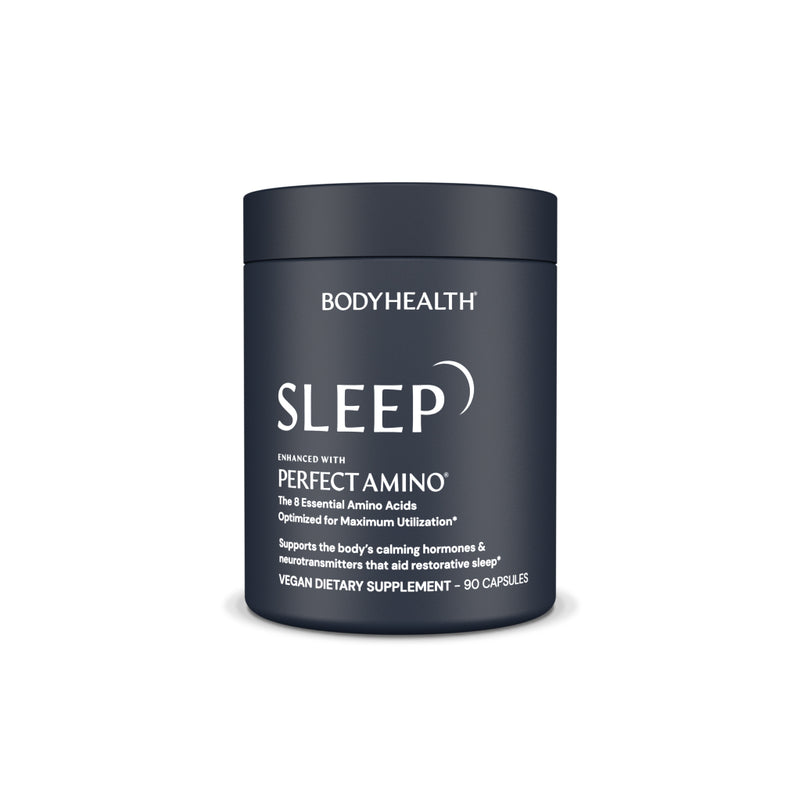
BODYHEALTH
Calmness * Sleep * Stress * Anxiety * 90 Capsules

AZURE BIOGENICS
Muscle * Nervous System * Bones * Energy * Mood
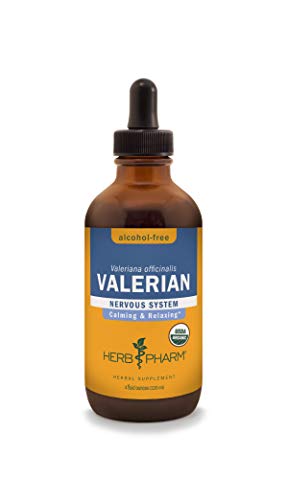
HERB PHARM
Stress * Sleep * Mood * Organic * Herbal * Alcohol-Free
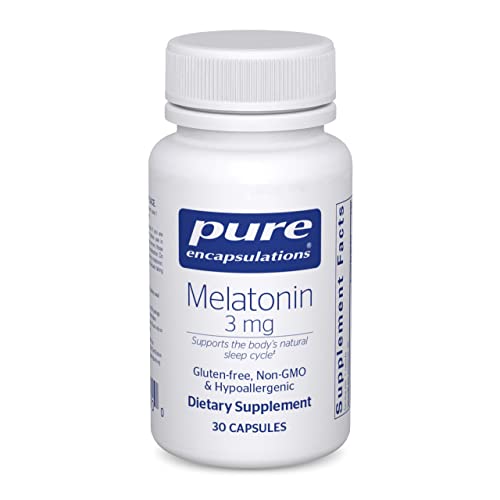
PURE ENCAPSULATIONS
Quality Sleep * Calmness * Shift Work Adjustment * Antioxidant

MARYRUTH'S
Cognition * Focus * Stress * Anxiety * Quality Sleep
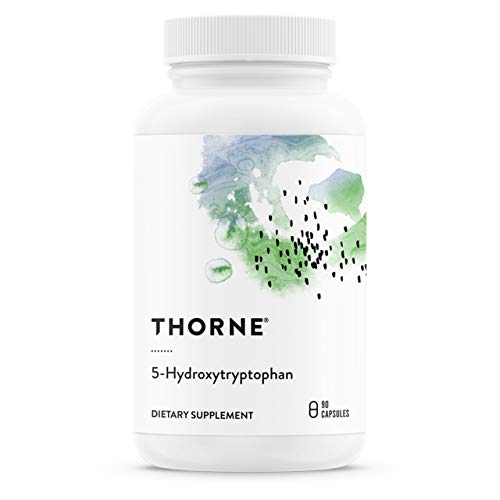
THORNE
Mood * Stress * Sleep * Serotonin * Sugar Cravings

PURE ENCAPSULATIONS
Energy * Immunity * Antioxidant * Red Blood Cell Production


This article provides general information and discussions about health and related subjects. The information and other content provided in this blog, or in any linked materials, are not intended and should not be construed as medical advice, nor is the information a substitute for professional medical expertise or treatment.