
Summary:
- There are differences between perimenopause, menopause, and postmenopause.
- Identify symptoms such as hot flashes, mood swings, and sleep changes.
- Discover lifestyle changes and supplements to alleviate symptoms.
- Menopause can affect heart, bone, brain, and sexual health.
- Maintain wellness with a balanced diet, regular exercise, stress management, and supplements.
- Consider incorporating antioxidants, calcium, vitamin D, and vitamin K for bone and heart health.
Solutions/Shop:
- Menopause Relief
- Pycnogenol 100 mg
- Women’s Vitality Complex
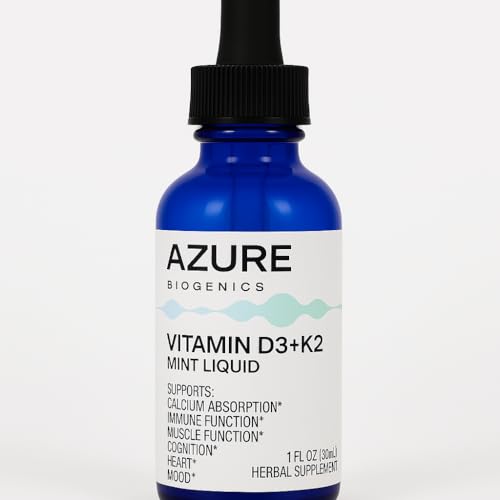
- Vitamin D3 & K2
- Creatine
- The Menopause Guide Book (book)
- The New Menopause (book)
Embracing Change with Empowerment and Knowledge
What is menopause? A time in your life when the familiar rhythms of your body begin to shift in unexpected ways. As women, we are often left to navigate these changes with little guidance, facing a host of new experiences that can be as bewildering as they are transformative. Menopause is one of those profound transitions that invites us to reflect, adapt, and embrace a new chapter of our lives with curiosity and grace. Let’s demystify menopause together, exploring what it means, how to recognize it, and most importantly, how to thrive during this remarkable phase.
Read more: The Power of Sex Hormones for Men and Women
Books: Unf*ck Your Intimacy Workbook, The 4-Hour Body
What is Menopause?
Menopause is a significant phase in every woman’s life, marking the end of ovulation and menstrual cycles. To be classified as menopausal, a woman must not have had a period for 12 consecutive months. This transitional period, often accompanied by a variety of symptoms, can vary greatly among women. Understanding menopause starts with knowing what it is and what it isn’t.
Try: Cordless Heating Pad Patches, Pelvic Floor Exerciser
Perimenopause, Menopause, and Postmenopause – What Are They and What Is the Difference?
Perimenopause is the often confusing stage leading up to menopause, characterized by irregular periods and fluctuating hormone levels. This phase can last anywhere from a few months to over a decade. During perimenopause, women can still have menstrual cycles and even become pregnant.
Menopause itself is confirmed after a woman has gone a full year without a menstrual period. Postmenopause refers to the time after menopause has been reached when acute symptoms like hot flashes and night sweats typically lessen.
Books: The New Menopause…, The Natural Menopause Method…
What About Induced Menopause and Premature Menopause?
Induced menopause occurs when menopause is brought on by medical interventions such as the removal of ovaries or treatments like chemotherapy. Premature menopause, on the other hand, happens naturally but earlier than usual, often due to genetic factors, autoimmune diseases, or other conditions.
The onset of menopause varies widely. Most women will experience menopause between the ages of 45-55, with 51 being the average. However, it can start as early as the late 30s or as late as the early 60s. Knowing how to be aware of your body’s changes can help you prepare for this transition.
Read more: Promoting Good Mental Health During the Menopause Transition,
Books: Ageless Aging: A Women’s Guide…, The Menopause Guidebook…, The Menopause Manifesto…
How Can I Tell If I Am in Menopause or Perimenopause?
If you have not had a period for 12 months, you are likely in menopause. Symptoms can be varied and similar to other conditions, so it’s advisable to consult with a healthcare provider about testing hormone levels to get a clear diagnosis.
What Are the Symptoms of Menopause?
What is menopause: Symptoms.
Symptoms of menopause can vary greatly among women, both in type and intensity. Common menopause symptoms include:
- Sleep changes
- Mood swings
- Hot flashes and night sweats
- Vaginal dryness
- Weight gain
- Skin changes
- Loss of menstruation
- Breast tenderness
- Fatigue
- Brain fog
- Memory lapses
Understanding how to be in tune with your body and recognizing these symptoms early can help in managing them.
Try: Menopause Relief, Organic Mushrooms & Nootropics Focus & Energy Formula
Read more: Boost Your Performance: The Connection Between Exercise and Better Sex, The Ultimate Guide to Creatine…, How to Protect Your Brain Processes With Nutrients…
Books: The Menopause Reset…
How Can I Naturally Manage Menopause Symptoms?
Managing menopause symptoms naturally can involve lifestyle changes such as a balanced diet, regular exercise, and stress-relief practices like yoga or meditation. The easiest way to impact symptoms like hot flashes and sleep disturbances is by incorporating botanical supplements like Azure Biogenics Menopause Relief, which contains wild yam, black cohosh, Vitex, and Pycnogenol. These ingredients can help manage symptoms and support hormone balance.
Try: Menopause Relief, Oura Ring
Read more: How Yoga Enhances Your Physical and Mental Wellness, What is Meditation?…, How to Increase Your Healthspan…, Secrets to Longevity Through Food…
What is menopause: a transformative phase, not just a biological milestone. By understanding the differences between perimenopause, menopause, and postmenopause, recognizing symptoms like hot flashes, mood swings, and brain fog, and embracing natural solutions like balanced nutrition, exercise, stress relief, and supplements, you can turn this transition into an empowering journey toward better health and vitality.
Are There Complications Associated with Menopause?
Menopause can affect several aspects of the body including heart, bone, brain, metabolic, urinary, and sexual health. These changes, coupled with the natural aging process, make menopause a crucial time to reassess and adopt impactful aging practices. Knowing how to increase your awareness of these potential complications can help in taking proactive steps toward wellness.
How Can I Stay Healthy After Menopause?
What is menopause wellness? Post-menopause wellness can be maintained with a balanced diet, regular exercise, and stress management. Supplementing with a comprehensive multivitamin like Women’s Vitality Complex can fill nutritional gaps and support energy production, eye health, and bone and heart health.
Tips: To stay healthy, consider incorporating antioxidants, higher levels of calcium and vitamin D, and vitamin K as MK7 for bone and heart health. Depending on your concerns, your healthcare practitioner can recommend additional botanicals or nutrients for maintaining good health.
Try: Vitamin D3 & K2, Women’s Vitality Complex, Probiotics, Bone Broth Protein
Embrace this natural life stage with the knowledge and tools to navigate it gracefully and healthily. Remember, your journey through menopause is uniquely yours, and with the right support, you can manage its challenges and embrace its changes. Explore the books, products, and supplements discussed in this article to support well-being during menopause. Taking action now can help you feel more positive and in control of your wellness journey.

AZURE BIOGENICS
Longevity * Mood * Digestive * Eye Health * Immune Support


ANCIENT NUTRITION
Skin * Joints * Gut * Brain * Keto Friendly
AZURE BIOGENICS
Bones * Immunity * Heart * Circulation

AZURE BIOGENICS
Concentration * Focus * Premium Mushrooms * Plant Based
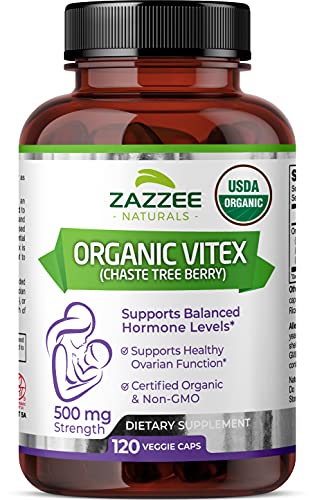
ZAZZEE
Menstrual Support * PMS * Menopause * Hormonal Balance

ANTHONY'S
Energy * Stamina * Balances Hormones * Mood

LOLA
Disposable * 11Hr Relief * 3 Count
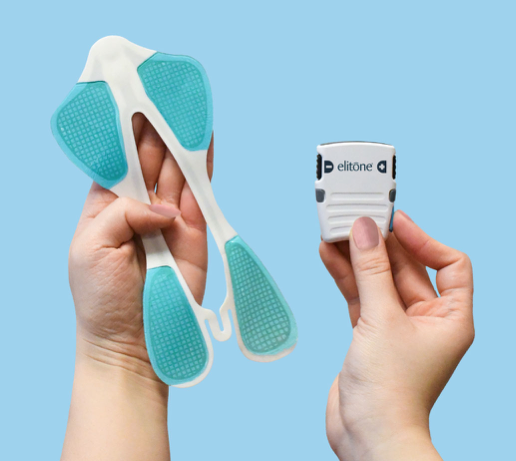
ELITONE
Tones Pelvic Floor * Minimize Leaks * Discrete * Comfortable

OURA
Tracks 30+ Biometrics * Water Resistant * HSA/FSA




FAITH G. HARPER (Author)
Using Science for Better Dating, Sex, and Relationships

This article provides general information and discussions about health and related subjects. The information and other content provided in this blog, or in any linked materials, are not intended and should not be construed as medical advice, nor is the information a substitute for professional medical expertise or treatment.