

What You Need to Know About Sex Hormones
SHORT ANSWER:
Sex hormones—testosterone, estrogen, progesterone, DHEA, and pregnenolone—control way more than reproduction. They regulate your energy, mood, metabolism, brain function, sleep, muscle mass, bone density, and how you age. When they’re balanced, you feel amazing. When they’re not, everything feels off.
KEY TAKEAWAYS:
- Sex hormones affect your entire body—mood, energy, metabolism, sleep, brain function, not just reproduction
- Five hormones matter most: pregnenolone, DHEA, testosterone, estrogen, and progesterone
- Imbalances are common and caused by stress, poor diet, toxins, and aging
- Natural support works: sleep, nutrition, sunlight, and strength training make real differences
- Targeted supplements help: Magnesium glycinate, vitamin D3+K2, B12, and ashwagandha
QUICK START: 4 Steps to Support Your Hormones Today
- Add magnesium glycinate before bed – Supports sleep quality and stress recovery (both critical for hormone balance)
- Get 15-20 minutes of morning sunlight – Helps your body produce vitamin D and signals healthy hormone rhythms
- Eat protein at every meal – Provides amino acids your body needs to build hormones
- Schedule 2 strength training sessions this week – Directly supports testosterone and growth hormone production
📥 Want the 30-Day Hormone Reset Checklist?
Get daily action steps, meal ideas, supplement protocols, and progress trackers—all in one downloadable guide.
You’ll get the guide immediately + a few emails with bonus tips. You can unsubscribe anytime (but I think you’ll like it 💚).
What Are Sex Hormones, Really? (Beyond Reproduction)
Most people hear “sex hormones” and think: libido, periods, menopause.
That’s only part of the story.
Sex hormones are powerful chemical messengers produced in your ovaries, testes, and adrenal glands. They travel through your bloodstream delivering instructions to cells throughout your entire body.
What Sex Hormones Actually Control
Beyond reproduction, they influence:
- Brain function: Memory, focus, mood stability, mental clarity
- Metabolism: How you burn fat, build muscle, regulate blood sugar
- Energy production: Cellular energy and mitochondrial function
- Sleep quality: Deep sleep cycles and overnight recovery
- Bone density: Calcium absorption and bone strength
- Cardiovascular health: Blood vessel function and cholesterol balance
- Skin health: Collagen production, moisture, elasticity
- Immune function: Inflammation response and infection resistance
When your hormones are balanced, you feel energized, sharp, and resilient. When they’re off—even slightly—the effects ripple through every system in your body.
💡 KEY FACT:
All sex hormones are made from cholesterol through a process called steroidogenesis. This is why extremely low-fat diets can disrupt hormonal health—your body literally needs cholesterol to make hormones.
Related reading: What to Do About Low Libido in Midlife
The 5 Key Sex Hormones You Need to Know
Let’s break down each hormone, what it does, and why it matters for how you feel every day.
1. Pregnenolone: The Mother Hormone
What it is: The first hormone created from cholesterol. Every other sex hormone is made from pregnenolone—that’s why it’s called the “mother hormone.”
What it does:
- Serves as the precursor to all other sex hormones
- Supports cognitive function and memory
- May help with mood regulation and stress resilience
- Declines with age, especially after 30
Why it matters: If pregnenolone production drops, the entire hormone cascade downstream suffers. Supporting pregnenolone through stress management and nutrition helps maintain overall balance.
2. DHEA: Your Vitality Hormone
What it is: A “pro-hormone” that converts into testosterone and estrogen as needed. Production peaks in your mid-20s, then declines steadily.
What it does:
- Supports energy and physical vitality
- Contributes to libido in both men and women
- Helps maintain muscle mass and bone density
- Plays a role in immune function
- Supports skin health and moisture
Why it matters: DHEA is like a reservoir your body draws from to make other hormones. Low DHEA often shows up as persistent fatigue, low motivation, and decreased resilience to stress.
3. Testosterone: Essential for Both Sexes
Most people think testosterone is just a “male hormone,” but women need it too—just in smaller amounts.
What it does in men:
- Builds and maintains muscle mass
- Supports libido and sexual function
- Regulates mood and motivation
- Influences bone density
- Affects cardiovascular health
What it does in women:
- Supports energy and motivation
- Contributes to libido
- Helps maintain muscle mass
- Influences mood stability
- Affects insulin sensitivity and blood sugar control
Why it matters: Low testosterone causes fatigue, low sex drive, muscle loss, and mood issues in both sexes. In women, imbalance (too low or too high) can cause energy crashes and weight gain around the midsection.
4. Estrogen: The Multi-Tasking Powerhouse
What it is: Actually a group of three hormones: estradiol (most potent), estrone, and estriol.
What it does:
- Regulates menstrual cycles and ovulation in women
- Supports bone density and calcium absorption
- Protects cardiovascular health
- Influences brain function, memory, and mood
- Affects skin elasticity and collagen production
- Plays a role in cholesterol metabolism
Why it matters: Too little estrogen in women causes hot flashes, brain fog, mood swings, bone loss, and vaginal dryness. Too much estrogen (estrogen dominance) can lead to heavy periods, breast tenderness, PMS, and weight gain.
💚 REAL TALK:
Men need small amounts of estrogen for brain function, bone health, and joint comfort. Women need small amounts of testosterone for energy and libido. It’s all about balance.
5. Progesterone: Your Calm and Balance Hormone
What it is: Produced primarily in the second half of the menstrual cycle (after ovulation) and during pregnancy.
What it does:
- Balances estrogen’s effects
- Supports the uterine lining for fertility
- Promotes calm, restful sleep
- Helps manage stress and anxiety
- Supports cardiovascular health
- Contributes to bone density
Why it matters: Low progesterone is extremely common in perimenopause and often shows up as insomnia, increased anxiety, PMS symptoms, and estrogen dominance. Progesterone is your “calm and repair” hormone—when it’s low, you feel wired, anxious, and sleep suffers.
Related reading: What is Menopause?
Who Needs to Pay Attention to Sex Hormones?
Everyone’s hormones shift with age and life circumstances, but some groups benefit most from actively supporting hormone balance.
Women in Perimenopause and Menopause
Perimenopause (typically ages 40-52):
Hormone levels fluctuate wildly before eventually declining. You might experience irregular periods, hot flashes, night sweats, sleep disruption, mood swings, brain fog, weight gain, and low libido.
Menopause (12 months after final period):
Estrogen and progesterone drop significantly. Symptoms often continue and may include bone density loss and cardiovascular changes.
Why targeted support helps: Nutrition, sleep optimization, strength training, and strategic supplementation can significantly ease the transition and reduce long-term health risks.
Men Over 40
Testosterone declines about 1-2% per year after age 30.
Common signs of low testosterone:
- Decreased energy and motivation
- Loss of muscle mass, increased body fat
- Low sex drive
- Mood changes (irritability, depression)
- Reduced mental sharpness
Why targeted support helps: Supporting testosterone through strength training, stress management, sleep, and specific nutrients can maintain vitality and reduce metabolic and cardiovascular risks.
Anyone with Unexplained Symptoms
Even if you’re younger, hormone imbalances can occur due to chronic stress, restrictive diets, PCOS, endometriosis, thyroid dysfunction, or autoimmune conditions.
If you experience persistent fatigue, mood issues, weight changes, sleep problems, or low libido, investigating hormone health is worthwhile.
📥 Want my exact hormone-balancing routine?
I’ll send you the daily protocol I use to keep my energy stable, sleep deep, and mood balanced—even during perimenopause.
You’ll get the guide immediately + a few emails with bonus tips. You can unsubscribe anytime (but I think you’ll like it 💚).
How to Balance Your Hormones Naturally (What Actually Works)
You have way more control over your hormone health than you think. These four pillars work together to support healthy hormone production and balance.
Step 1: Eat a Hormone-Supporting Diet
Your hormones are literally made from the food you eat.
Focus on:
- Quality protein at every meal: Provides amino acids needed for hormone synthesis and stabilizes blood sugar. Aim for 25-35g per meal.
- Healthy fats: Cholesterol from eggs and grass-fed meat, omega-3s from wild fish, monounsaturated fats from olive oil and avocados
- Nutrient-dense vegetables: Cruciferous vegetables support estrogen metabolism, leafy greens provide magnesium and folate
- Moderate carbohydrates: Choose complex carbs (sweet potatoes, quinoa, oats). Women especially need adequate carbs for thyroid and reproductive hormones.
What to limit: Excess sugar and refined carbs, industrial seed oils, alcohol, and processed foods.
Step 2: Prioritize Sleep Quality
Sleep is when your body repairs, detoxifies, and produces hormones.
Poor sleep directly disrupts testosterone production, growth hormone release, cortisol rhythms, and insulin sensitivity.
Aim for 7-9 hours of quality sleep:
- Keep bedroom dark, cool (65-68°F), and quiet
- Establish consistent bedtime and wake time
- Avoid screens 1-2 hours before bed
- Stop eating 3 hours before bed
- Limit caffeine after noon
Sleep support: Magnesium glycinate relaxes your nervous system and supports melatonin production—take 200-400mg before bed.
Step 3: Get Daily Sunlight Exposure
Sunlight does more than boost vitamin D—it helps regulate your body’s circadian rhythm and hormone production.
Benefits:
- Supports testosterone synthesis
- Improves vitamin D status (critical for hormone balance)
- Signals healthy cortisol rhythms
- Boosts mood through serotonin production
How to do it: Get 15-20 minutes of direct sunlight daily (arms, face, legs exposed). Morning sunlight is especially beneficial for circadian rhythm.
If you live in a northern climate, have limited sun exposure, or are over 40, supplement with vitamin D3+K2.
Step 4: Include Strength Training
Resistance exercise directly stimulates testosterone and growth hormone production—in both men and women.
Benefits:
- Builds and maintains muscle mass (supports metabolic health)
- Improves insulin sensitivity (stabilizes blood sugar and hormones)
- Increases bone density
- Boosts testosterone and growth hormone naturally
- Reduces cortisol when not overdone
How to do it: Strength train 2-3 times per week. Focus on compound movements (squats, deadlifts, presses). Lift challenging weights. Allow adequate recovery between sessions.
⚠️ CAUTION:
Too much intense exercise (especially cardio) can actually suppress sex hormone production and raise cortisol. Balance is key.
Best Supplements for Hormone Support (What Science Shows)
Quality supplements can support your hormone-balancing efforts when combined with solid foundations.
The 4 Most Important Supplements
1. Magnesium Glycinate
Why it’s essential: Magnesium is involved in over 300 enzymatic reactions, including those that produce and regulate sex hormones.
Specific benefits:
- Supports restful, deep sleep (when hormones are produced and repaired)
- Reduces cortisol and stress response
- Relaxes muscles and nervous system
- May support testosterone production in men
Recommended dose: 200-400mg before bed
→ Shop Azure Biogenics Magnesium Glycinate
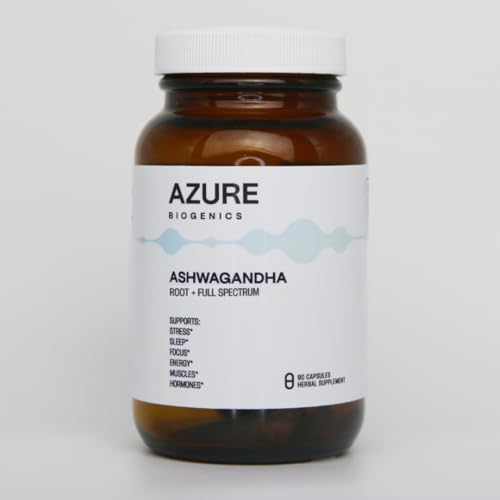
2. Ashwagandha (KSM-66)
Why it’s essential: Chronic stress is the #1 hormone disruptor. Ashwagandha is a clinically studied adaptogen that helps your body manage stress and may support healthy testosterone levels.
Specific benefits:
- Reduces cortisol
- May increase testosterone in men
- Supports thyroid function
- Improves stress resilience and mood
- Enhances sleep quality
Recommended dose: 300-600mg daily
→ Shop Azure Biogenics Ashwagandha
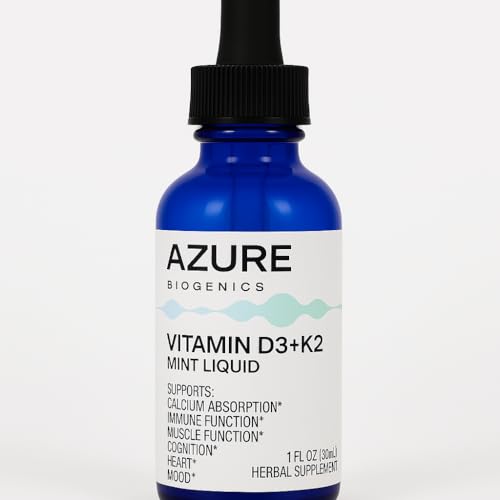
3. Vitamin D3 + K2
Why it’s essential: Vitamin D is actually a hormone precursor. Your body needs adequate D3 to produce testosterone and maintain overall hormonal health.
Specific benefits:
- Supports testosterone production
- Essential for bone health and calcium metabolism
- Boosts immune function
- May improve mood and reduce depression
- K2 directs calcium into bones (not arteries)
Recommended dose: 2,000-5,000 IU daily (1/3 of a dropper)
→ Shop Azure Biogenics Vitamin D3 + K2
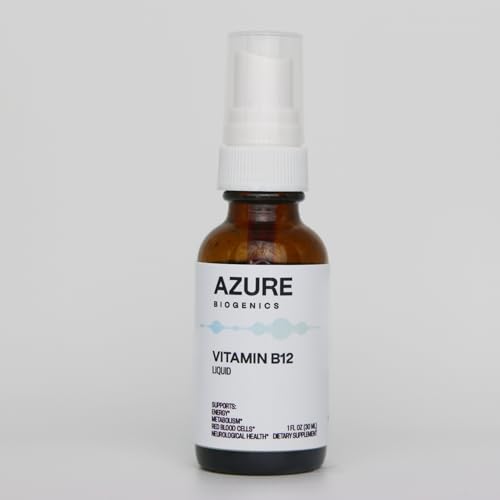
4. Vitamin B12
Why it’s essential: B12 supports energy production, nervous system function, and red blood cell formation—all critical for healthy hormone signaling and vitality.
Specific benefits:
- Supports cellular energy (mitochondrial function)
- Required for neurotransmitter production (mood, cognition)
- Helps convert homocysteine (protects cardiovascular health)
- May support energy and reduce fatigue
Recommended dose: 500-1,000 mcg daily
→ Shop Azure Biogenics Vitamin B12
Complete Nutritional Foundation
For comprehensive support, consider Azure Biogenics Women’s Probiotic for gut-brain connection support—your
✅ QUICK TIP:
Give supplements 8-12 weeks to work. Hormones shift gradually. Track your sleep quality, energy levels, mood, and other symptoms to see progress.
FAQ: Sex Hormones and Hormone Balance
Q: What are sex hormones and why do they matter?
A: Sex hormones are chemical messengers—including testosterone, estrogen, progesterone, DHEA, and pregnenolone—that regulate far more than reproduction. They control energy, mood, metabolism, brain function, sleep, muscle mass, bone density, and immune health.
Q: What causes hormone imbalances?
A: The most common causes are chronic stress, poor diet, nutrient deficiencies, inadequate sleep, environmental toxin exposure, and natural aging. Women in perimenopause and men over 40 are especially susceptible.
Q: How can I naturally balance my hormones?
A: Four pillars: (1) eat nutrient-dense foods with adequate protein and healthy fats, (2) prioritize 7-9 hours of quality sleep, (3) get 15-20 minutes of daily sunlight, and (4) include strength training 2-3 times per week.
Q: Which supplements are best for hormone balance?
A: Top choices: magnesium glycinate (sleep, stress), vitamin D3 + K2 (testosterone, bone health), vitamin B12 (energy), and ashwagandha (stress resilience). Look for third-party tested products like Azure Biogenics.
Q: What are signs of low testosterone?
A: In men: low libido, fatigue, muscle loss, increased body fat, mood changes. In women: low energy, difficulty building muscle, low libido, blood sugar instability, mood swings.
Q: What is estrogen dominance?
A: Estrogen dominance occurs when estrogen levels are high relative to progesterone, causing heavy periods, breast tenderness, PMS mood swings, bloating, and weight gain. Often caused by stress and toxin exposure.
Q: Can I balance hormones without medication?
A: Many people significantly improve hormone balance through diet, sleep, stress management, exercise, and targeted supplementation. However, severe symptoms may require bio-identical hormone replacement therapy under medical supervision.
Q: How long does it take to see results?
A: Early changes (better sleep, stable energy) may appear in 1-2 weeks. Noticeable improvements in mood, libido, and body composition typically take 1-3 months. Hormones shift gradually—consistency is key.
Q: When should I see a doctor about hormone issues?
A: See a healthcare provider if you have severe symptoms that disrupt daily life, no improvement after 2-3 months of lifestyle changes, complete loss of menstrual cycle (if premenopausal), or symptoms of thyroid dysfunction.
Q: Do men and women have the same sex hormones?
A: Yes! Both sexes have testosterone, estrogen, and progesterone—just in different amounts. Men need small amounts of estrogen for brain and bone health. Women need testosterone for energy and libido. Balance is what matters.
Your Next Steps: Taking Control of Your Hormone Health
You now understand how sex hormones influence every aspect of your health—from energy and mood to metabolism and longevity.
Small, consistent changes make a profound difference.
Start with these foundations:
- Commit to quality sleep (7-9 hours non-negotiable)
- Eat to support hormones (protein, healthy fats, vegetables, moderate carbs)
- Get daily sunlight (15-20 minutes to boost vitamin D and testosterone)
- Strength train 2x/week (the most powerful hormone-balancing exercise)
Give your body 8-12 weeks to respond. Track your progress. Celebrate small wins.
Your hormones don’t have to control you. You can take charge. Start today.
📥 Get the complete hormone toolkit
Download my 30-Day Hormone Reset with meal plans, supplement protocols, daily action steps, and progress trackers.
You’ll get the guide immediately + a few emails with bonus tips. You can unsubscribe anytime (but I think you’ll like it 💚).
🛍️ SHOP THIS ARTICLE
We carefully research and select every product mentioned in this article based on quality, ingredients, and reviews—not commissions. Our mission is to simplify wellness for you, and we regularly update our recommendations to bring you the best options.
My Top Picks:
- Magnesium Glycinate – For calmer nervous system, better sleep, and stress recovery
- Ashwagandha (KSM-66) – Stress resilience and may support testosterone
- Vitamin D3 + K2 – Testosterone production, bone health, immune support
- Vitamin B12 Spray – Energy production and nervous system support
- Omega-3 Fish Oil – Brain and cardiovascular health support
- Women’s Probiotic – Gut-brain connection and immune support
💚 We carefully research and select every product mentioned based on quality, ingredients, and reviews—not commissions. Our mission is to simplify wellness for you.
REFERENCES
- Endocrine Society, “Hormones and Health,” 2024
- Research on steroidogenesis and hormone synthesis pathways
- Studies on magnesium and sleep quality
- Research on vitamin D and testosterone production
- Ashwagandha (KSM-66) clinical studies on cortisol reduction
- Harvard Medical School, “Understanding Hormone Changes”
- Studies on strength training and hormone production
- Research on sleep deprivation and hormone disruption

AZURE BIOGENICS
Muscle * Nervous System * Bones * Energy * Mood
AZURE BIOGENICS
Stress * Anxiety * Memory * Focus * Immunity * Hormonal Balance
AZURE BIOGENICS
Bones * Immunity * Heart * Circulation
AZURE BIOGENICS
Energy * Nerves * Mood * Cognition * 500 mcg

AZURE BIOGENICS
Longevity * Mood * Digestive * Eye Health * Immune Support
Disclaimer:
This article provides general information and educational content about sex hormones and hormone health. It is not intended as medical advice and should not replace consultation with a qualified healthcare provider. Always consult your doctor before starting any new supplement regimen, especially if you are pregnant, breastfeeding, taking medications, or have underlying health conditions. Individual results may vary.