

Summary:
- Engage with healthcare providers who understand menopause
- Prioritize sleep, exercise, and nutritious eating
- Mindfulness, meditation, and cognitive behavioral therapy can help manage stress & mood changes
- Utilize supplements designed to support well-being during menopause
Solutions/Shop:
Embracing the Transition with Curiosity and Confidence
Menopause, often starting around age 47, heralds significant hormonal changes, particularly fluctuating oestradiol levels. Mental health during the menopause transition is another facet of this shift. These shifts are natural, yet they intersect with midlife stressors, potentially increasing vulnerability to mental health challenges. However, it’s crucial to debunk the myth that menopause universally leads to poor mental health. Evidence suggests that while some women are at increased risk, many navigate this transition without significant psychological distress.
Try: Multivitamin, Menopause Nutrients
Read more: What Is Menopause?
Books: Ageless Aging A Women’s Guide…, The Menopause Guidebook: Debunk The Common Midlife Myths
Key Findings on Mental Health During Menopause
- What Is the relationship between depression and Menopause? Twelve prospective studies reveal no compelling evidence of a universal risk for depression during menopause. However, women with severe vasomotor symptoms, chronic sleep disturbances, or a history of depression may be more vulnerable. These factors, coupled with life stressors, can elevate the risk, particularly in those with a prior depressive disorder.
- What Is the Impact on Anxiety, Bipolar Disorder, and Psychosis? There’s no substantial evidence linking menopause to an increased risk of anxiety, bipolar disorder, or psychosis. The idea that menopause triggers these conditions is largely unsupported by rigorous scientific data.
Try: Mood Probiotic, Ashwagandha, Vitamin D, Vitamin C, Brain Nootropic, Saffron Extract
Read more: Understanding Mood Disorders…, How to Boost Dopamine Naturally…, How to Reduce Tossing and Turning at Night
Books: You, Happier…, The Menopause Manifesto
Tips for Navigating Mental Health During Menopause
Recognizing Risk Factors:
- Vasomotor Symptoms: Hot flashes and night sweats, especially those disturbing sleep, can contribute to mood disturbances. Addressing these symptoms can mitigate their impact on mental health.
- Life Stressors: Menopause often coincides with pivotal life changes and stressors. Understanding and managing these can ease the psychological burden.
Interventions: - Menopausal Hormone Therapy (MHT): For those with troublesome vasomotor symptoms, MHT can improve concurrent depressive symptoms. However, it’s not a universal remedy and should be considered based on individual needs and risks.
- Cognitive Behavioral Therapy (CBT): Proven to manage depression, anxiety, sleep disturbances, and vasomotor symptoms, CBT is a powerful tool in promoting mental health during menopause.
Try: Stress Gummies, Emotional Wellness Blend, L-theanine, B12, Vagus Nerve Stimulator
Read more here: Coping Strategies for Depression Using CBT…, Anxiety & Depression: The Gut Connection, Healing With Mindfulness Therapies
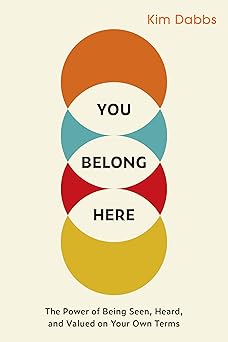
Books: You Belong Here…, First, We Make the Beast Beautiful…, Everything is F*cked
How to Increase Your Well-being During Menopause
The potential misattribution of psychological distress solely to menopause can delay solutions and create negative expectations. It’s essential to approach menopause with an open mind, recognizing it as a natural stage rather than a pathological condition.
- Educate and Inform: Understanding that most women do not experience severe mental health issues during menopause can alleviate undue stress. Accurate information empowers women to make informed decisions about their bodies.
- Personalized Care: Clinicians should assess psychological symptoms holistically, considering hormonal changes and broader life contexts. Discovering underlying causes, such as vasomotor symptoms and sleep disturbances, can improve overall well-being. There is not one solution that fits all, as your hormones are changing constantly, a good healthcare provider will frequently monitor your blood and hormone levels as well as assess your emotional and physical issues to provide you with the best resources to balance your hormones and alleviate your symptoms.
- Promote Positive Attitudes: Societal views on menopause and aging significantly impact mental health. Embracing positive narratives around menopause can foster resilience and a sense of empowerment.
Try: Essential Gratitude Cards, 5-Minute Journal, Stone Diffuser, Essential Oils
Read more: How to Harness Good Stress and Reduce Harmful Stress, How to Increase Gratitude and Reject Worry
By embracing this transition with curiosity, addressing challenges like sleep and mood shifts with tailored care, and reframing it as a powerful stage of self-discovery, you can transform this journey into a celebration of resilience.
The Easiest Way to Maintain Mental Health During Menopause
- Seek Support: Engage with healthcare providers who understand menopause. This is not necessarily your Gynecologist. Some gynecologists are well-studied in Menopause, but many are not but claim that they are. There are many doctors, urologists, functional medicine doctors, and many other healthcare providers who specialize in menopause.
- Practice Self-care: Prioritize sleep, exercise, and nutritious eating to support your mental and physical wellness. For more see Johns Hopkins
- Adopt Positive Coping Strategies: Techniques like mindfulness, meditation, and cognitive behavioral therapy can help manage stress and mood changes.
Read more: How to Keep Friendships Thriving…, The Key to Happiness: Connection, How to Recharge: Making Self-Care a Lifestyle
Embrace the Journey
The menopause transition, when approached with knowledge and support, can be a time of renewed vitality and self-discovery. Embrace this journey with curiosity and love, trusting in your worth and the efficacy of well-curated wellness strategies.

AZURE BIOGENICS
Longevity * Mood * Digestive * Eye Health * Immune Support
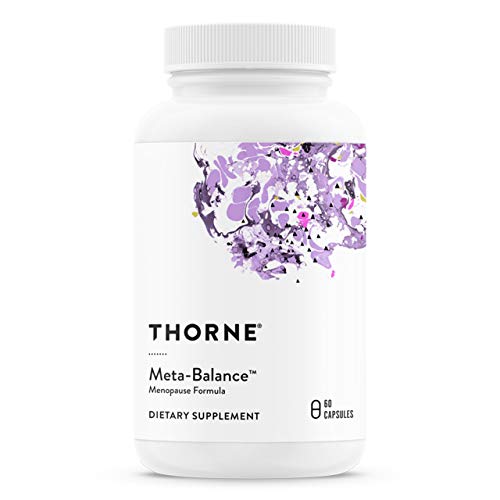
THORNE
Libido * Hot Flashes * Menopausal Support * Mood

PURE ENCAPSULATIONS
Antioxidant * Skin * Joint * Cognition * Immunity
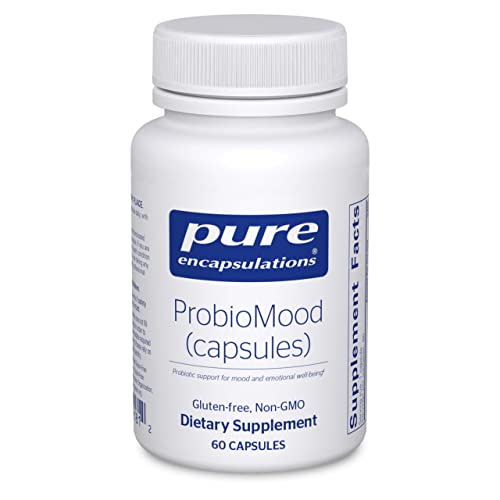
PURE ENCAPSULATIONS
Relaxation * Cognition * Microbiome * Immunity

PURE ENCAPSULATIONS
Mood * Stress * Emotional Support * Cognition* Resilience Boost

MOMENTOUS
Cognition * Brain Support * Memory * Focus

PURE MICRONUTRIENTS
Energy * Mood * Eyes & Heart * Quality Sleep
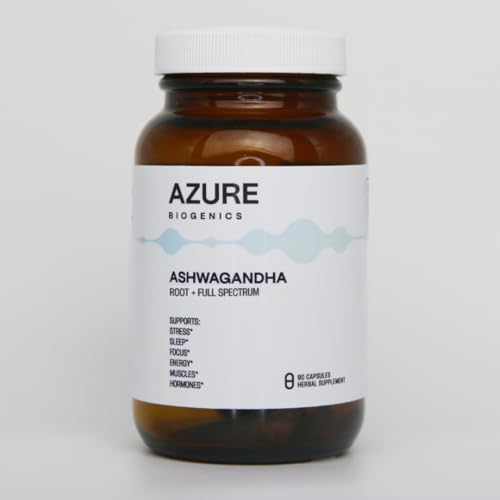
AZURE BIOGENICS
Stress * Anxiety * Memory * Focus * Immunity * Hormonal Balance

PURE ENCAPSULATIONS
Bones * Joints * Heart * Colon * Immunity

MARYRUTH'S
Cognition * Focus * Stress * Anxiety * Quality Sleep
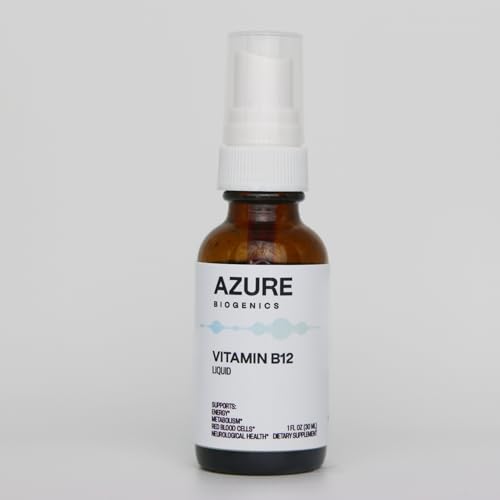
AZURE BIOGENICS
Energy * Nerves * Mood * Cognition * 500 mcg

LIVON LABORATORIES
Lypo Spheric * Antioxidant * Daily Supplement * Non-GMO * Keto Friendly

OLLY
Stress * Anxiety * Quality Sleep * Energy * Mood


MIND BRAIN EMOTION
Solo & Social Use * Gratitude Practice * Affirmations & Quotes * Boost Mood

INTELLIGENT CHANGE
Daily * Gratitude * Happiness * Mindfulness * Reflection

VITRUVI
Ceramic * Ultrasonic * Essential Oil Diffuser * 90ml * Aromatherapy

LAGUNAMOON
Diffusers * Candle Making Scents * Aromatherapy * Humidifiers

APOLLO NEURO
Sleep Aid * Stress Relief * Focus * Energy


JORDAN A. MADISON
Evidence-Based * Well-Being * Affirmations * Breathing * Exercises



This article provides general information and discussions about health and related subjects. The information and other content provided in this blog, or in any linked materials, are not intended and should not be construed as medical advice, nor is the information a substitute for professional medical expertise or treatment.