


Summary:
- Eat dark, leafy greens, legumes, nuts, seeds, whole grains, brown rice, and mackerel
- Heat, cook, or sprout grains, seeds, and oats
- Adult women need 310-320 mg/day, and men: 400-420 mg/day
- Magnesium enhances the effectiveness of vitamin D
- Choose organic magnesium salts over inorganic forms
- Take magnesium supplements in smaller, frequent doses throughout the day
Solutions/Shop:
Why Magnesium Matters
Wondering: How much magnesium should you take? What is the right dose of magnesium? and What are the benefits of magnesium? Well, you’ve come to the right place.
Why magnesium matters? It plays a pivotal role in keeping our physical and mental engines running smoothly. Yet, nearly half of us aren’t getting enough of it. Let’s explore how optimizing your magnesium intake can unlock a new level of vitality and cognitive clarity.
Read more: The Power Of Magnesium…, A Longevity Action Plan: Insights From Peter Attia
Books: A Pinch of Nom, The Power Foods Diet, Cleanse to Heal
What is Magnesium and Why Do You Need It?
Did you know? Nearly half of the US population doesn’t get enough magnesium and doesn’t realize why magnesium matters. This often-overlooked mineral is a cofactor for about 300 enzymes in our bodies. Without enough magnesium, these enzymes can’t perform their vital functions. Think of magnesium as the oil that keeps your body’s engine running smoothly.
Try: Multivitamin, Magnesium Glycinate
What are Dietary Sources of Magnesium?
Magnesium Shortfall: Many of us aren’t eating enough dark, leafy greens—the prime source of magnesium. These greens, rich in chlorophyll, hide this vital nutrient within their vibrant hues. Other great sources of dietary magnesium include legumes, nuts, seeds, whole grains, brown rice, and fish like mackerel.
How to Increase Magnesium Intake: Want to get more magnesium from your diet? Activate phytases—enzymes that break down phytate. Heat up oats, cook your greens, or sprout grains and seeds. These methods reduce phytate levels, making magnesium more available for absorption.
Read more: Nutrient Levels, Blood Tests, Anxiety, Depression
What is The Connection Between Vitamin D and Magnesium?
How to be Efficient with Vitamins: If your magnesium levels are low, your body struggles to use vitamin D effectively. Even with sufficient vitamin D intake, without enough magnesium, you might not reap all the benefits. Key takeaway: Focus on magnesium intake to optimize vitamin D utility.
Try: Vitamin D3, Vitamin D3 & K2
Read more: Unlock Your Fitness Potential With Vitamin D, Increasing Energy: Tips For Boosting Vitality Naturally
Why Magnesium Matters: the unsung hero of energy, focus, and vitality. Boost your levels with leafy greens, nuts, and magnesium glycinate, and unlock benefits like improved brain function, enhanced vitamin D absorption, and stronger bones—proving that a small mineral can make a massive impact.
How Much Magnesium Do I Need?
- Adult Women: 310-320 mg/day, increasing to 360 mg/day during pregnancy.
- Adult Men: 400-420 mg/day.
- Athletes and High Physical Activity: An additional 10-20% above the RDA, due to greater magnesium loss through sweat and urine.
Dosage Tips: The US Institute of Medicine’s Food and Nutrition Board sets the upper safe limit for daily supplemental magnesium at 350 mg. To avoid gastrointestinal issues and improve bioavailability, take smaller, frequent doses throughout the day rather than a single large dose.
Tips to Identify Magnesium Deficiency
Not Just a Blood Test: Most magnesium is stored in your bones, making blood tests potentially unreliable. To ensure adequate intake, track your diet’s magnesium content. Incorporate magnesium-rich foods like leafy greens, nuts, seeds, grains, and fish into your meals.
The Easiest Way to Supplement Smartly
Choosing the Right Form: Organic magnesium salts (like magnesium glycinate or magnesium taurate) are more bioavailable and effectively raise plasma magnesium levels compared to inorganic forms (like magnesium oxide or magnesium sulfate). These organic forms are better absorbed in the digestive tract, leading to a more significant increase in blood magnesium levels.
Magnesium Threonate: Magnesium threonate contains very low amounts of elemental magnesium, making it insufficient for meeting daily needs. If you’re relying solely on magnesium threonate, you’re likely not getting enough magnesium. This is why magnesium matters- especially the type. However, recent studies show the potential for this type of magnesium to enhance cognitive protection.
Read more: Secrets to Longevity Through Food, The Ultimate Guide to Post-Workout Nutrition
Final Thoughts
Magnesium is a powerhouse nutrient that plays a critical role in your overall wellness. By making a few dietary tweaks and choosing the right magnesium supplements, you can ensure you’re meeting your magnesium needs. Take charge of your wellness—embrace the power of magnesium today!

AZURE BIOGENICS
Longevity * Mood * Digestive * Eye Health * Immune Support

AZURE BIOGENICS
Muscle * Nervous System * Bones * Energy * Mood

SEVEN MINERALS
Highest Quality * Pure Magnesium * Sore Muscles * Relaxation

ANCIENT MINERALS
Muscles * Stress * Detoxification * Quality Sleep

FOUR SIGMATIC
Sleep * Stress * Blueberry Flavor * Relaxation * Caffeine-Free

ANCIENT NUTRITION
Superfood * Natural Probiotics * Chlorella * Matcha * Digestive Enzymes
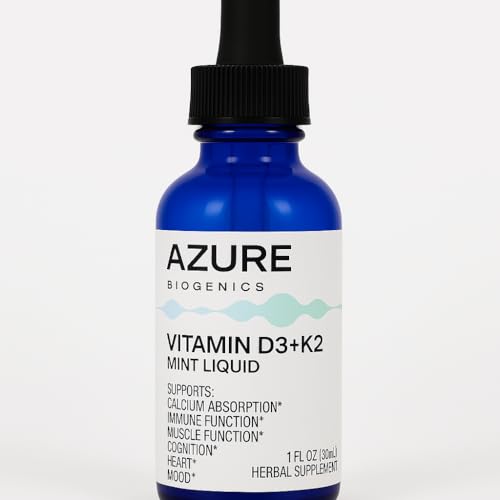
AZURE BIOGENICS
Bones * Immunity * Heart * Circulation

PURE ENCAPSULATIONS
Bones * Joints * Heart * Colon * Immunity


References
- Schuette, S. A., Lashner, B. A., & Janghorbani, M. (1994). Bioavailability of magnesium diglycinate vs magnesium oxide in patients with ileal resection. Journal of Parenteral and Enteral Nutrition, 18(5), 430-435.
- Elgar, K. (2019). Magnesium: A review of clinical use and efficacy. Nutritional Medicine Institute. Retrieved from
- Baaij, J. H. F., Hoenderop, J. G. J., & Bindels, R. J. M. (2019). Predicting and testing bioavailability of magnesium supplements. Nutrients, 11(7), 1663.
This article provides general information and discussions about health and related subjects. The information and other content provided in this blog, or in any linked materials, are not intended and should not be construed as medical advice, nor is the information a substitute for professional medical expertise or treatment.