
Summary:
- Prioritize quality sleep
- Fuel up with micro & macronutrients
- Incorporate regular exercise
- Manage stress
- Check for food sensitivities
Solutions/Shop:
\If you’re Googling “where did all my energy go” at 2am (again), I feel you.
You used to power through your days. Now you’re running on fumes by noon, chugging coffee, and wondering if this is just “getting older” or if something’s actually wrong.
Here’s the truth: Feeling exhausted all the time is NOT normal, and you’re not broken.
The short answer: Low energy usually comes from a handful of fixable causes—dehydration, poor sleep quality, nutrient gaps, stress overload, or an underlying health issue your doctor can actually test for. Most of these have simple solutions you can start today.
I researched this so you don’t have to. Let’s figure out what’s draining your battery and get you back to feeling like yourself.
“Fill your own cup first so you have enough to give.”
Table of Contents
The Short Answer: Why You’re Always Tired
Your body runs on three essentials: water, nutrients, and rest.
When any of these run low, your energy crashes. Add chronic stress, processed foods, or an undiagnosed health issue, and you’re running on empty.
💡 KEY TAKEAWAYS:
- Dehydration is the #1 overlooked energy killer (even 1-2% loss tanks your mood and focus)
- Sleep quality matters more than sleep quantity—7 hours of deep sleep beats 9 hours of tossing and turning
- Nutrient gaps (iron, B12, D, magnesium) are incredibly common in women 45-60 and show up as fatigue first
- Exercise actually creates energy at the cellular level (mitochondria boost = more fuel)
- Chronic stress literally drains your adrenals—meditation and breathwork aren’t woo-woo, they work
✅ QUICK START (Do This First):
- Drink 16 oz of water right now (add electrolytes if you can)
- Take magnesium glycinate tonight before bed for better sleep
- Get bloodwork to check iron, B12, vitamin D, and thyroid (ask your doctor or order online)
📥 P.S. Want a step-by-step blueprint for building sustainable energy habits?
We created a free Spring Foundation Guide that walks you through exactly how to reset your energy—grab it below.
What Causes Low Energy? (The 9 Most Common Reasons)
Let’s break down the usual suspects. Most women dealing with chronic fatigue have 2-3 of these going on at once.
1. Your Body is Literally Dehydrated
This one’s embarrassing because it’s so simple, but dehydration is the #1 energy killer nobody talks about.
Even mild dehydration—a 1-2% drop in body water—impacts mental clarity, physical performance, and mood. Your body has to work harder to function, leaving you sluggish, irritable, and foggy.
I learned this the hard way in the desert. I didn’t realize dehydration could mess with my mood until I felt grumpy, dizzy, and exhausted for days. Turns out, water is non-negotiable.
💡 KEY FACT:
Dehydration doesn’t just make you thirsty—it causes headaches, dizziness, brain fog, and that “I need a nap NOW” feeling.
How to Fix It:
- Set reminders. Use your phone or an app to track water intake.
- Carry a water bottle. If it’s in front of you, you’ll drink it.
- Make it taste good. Add fruit, herbs, or electrolyte packets.
- Don’t skip electrolytes. If you’re sweating (exercise, heat, stress), plain water isn’t enough. You need minerals.
2. You’re Not Getting Restorative Sleep
Sleep is your body’s reset button.
During deep sleep and REM sleep, your body repairs cells, releases growth hormones, and consolidates memory. If you’re not cycling through these stages properly, you’ll wake up groggy no matter how long you slept.
Most adults need 7-8 hours of quality sleep. But quality > quantity.
💚 REAL TALK: I used to brag about functioning on 5 hours of sleep. Turns out, I wasn’t functioning—I was surviving. Once I prioritized sleep, everything changed.
How to Fix It:
- Optimize your environment. Cool, dark, quiet. Use blackout curtains or a white noise machine.
- Wind down without screens. Blue light kills melatonin production. Avoid screens 1 hour before bed.
- Try magnesium glycinate. It calms your nervous system and promotes deeper sleep (NOT magnesium oxide—that one causes digestive chaos).
- Experiment with mouth tape or snore strips. Mouth breathing disrupts sleep cycles.
For a deeper dive: What are the 4 Stages of Sleep? | How to Improve Sleep Quality | Don’t Stress About Sleep—Here’s What to Do Instead
3. You’re Missing Key Nutrients
Your food choices directly impact your energy.
Nutrient deficiencies—especially in iron, B vitamins, magnesium, and vitamin D—are shockingly common in women, especially 45-60. And guess what symptom shows up first? Fatigue.
Here’s what to watch for:
- Iron: Transports oxygen in your blood. Low iron = fatigue, dizziness, headaches.
- Vitamin B12: Supports red blood cell production. Low B12 = weakness, fatigue, brain fog.
- Vitamin D: The “sunshine vitamin” powers energy production and immune function. Deficiency = low energy, muscle weakness, mood issues.
- Magnesium: Involved in 300+ reactions in your body, including energy production. Low magnesium = cramps, fatigue, trouble sleeping.
- B vitamins (B2, B3, B5, B9): Convert food into energy. Low levels = sluggishness and mental fog.
💚 REAL TALK: I spent years exhausted before discovering I had a gluten intolerance. It was damaging my gut lining, blocking nutrient absorption. Even with a “healthy” diet, my body couldn’t absorb what it needed.
How to Fix It:
- Get bloodwork. Ask your doctor to test iron, ferritin, B12, vitamin D, and thyroid.
- Take a quality multivitamin. It’s nutritional insurance for days when your diet doesn’t cover the basics.
- Pair nutrients strategically. Vitamin C helps absorb iron. Vitamin K2 pairs with D3 for bone health.
“A good multivitamin is your backup plan for days when life gets in the way of perfect nutrition.”
4. You’re Not Moving Enough (Even Though You’re Exhausted)
I know—when you’re tired, exercise sounds like torture.
But here’s the thing: Exercise actually creates energy at the cellular level. When you move, your body builds more mitochondria (the energy powerhouses in your cells).
Exercise also improves oxygen circulation, boosts hormones, and helps you sleep better.
How to Fix It:
- Find an exercise buddy. Workouts with a friend feel less like a chore and more like social time.
- Fuel up first. A coffee, energy mushroom blend, or creatine can give you the boost to get started.
- Start small. A 10-minute walk counts. Movement is movement.
Learn more: Creatine for Strength, Mental Clarity, and Physical Wellness
5. Stress is Draining Your Battery
Chronic stress literally depletes your energy reserves.
Over time, it can lead to stress-related exhaustion disorder, impacting brain structure and function. Your adrenals burn out. Your cortisol gets dysregulated. You feel wired and tired at the same time.
How to Fix It:
- Try breathwork or meditation. Even 5 minutes helps regulate your nervous system.
- Take ashwagandha. Research shows it helps lower cortisol and support stress resilience.
- Walk outside. Nature + movement = stress relief.
- Consider therapy. If stress feels overwhelming, professional support can help.
6. You’re Eating Foods That Crash Your Energy
Food is fuel. But not all fuel is created equal.
Ultra-processed foods spike your blood sugar, then crash it hard. On the other hand, nutrient-dense foods (lean proteins, veggies, fruits, healthy fats) provide sustained energy.
If you’re not eating enough calories or protein, your body breaks down muscle and fat for energy—leaving you weak and tired.
How to Fix It:
- Eat protein at every meal. It stabilizes blood sugar and supports energy.
- Limit processed foods. They’re designed to taste good, not fuel you well.
- Don’t skip meals. Your body needs consistent fuel.
7. Hidden Energy Saboteurs (The Habits You Know Aren’t Helping)
Let’s be real: Smoking, excessive alcohol, and drug use drain your energy.
If you’re struggling with fatigue, cutting back on these can have a massive impact on your overall energy and health.
8. You’re Running on Empty (Emotionally)
Sometimes, the best energy boost is doing what makes you happy.
Dance. Paint. Spend time with friends. Take time for yourself.
Hobbies and activities that bring joy release endorphins, naturally recharging your energy.
9. Something Else is Going On (Medical Causes)
If fatigue feels chronic and unrelenting, an underlying health issue could be the cause.
Here are conditions to consider:
- Hormonal imbalances: Thyroid issues, cortisol dysregulation, sex hormone fluctuations.
- Chronic Fatigue Syndrome (CFS): Long-lasting fatigue that doesn’t improve with rest.
- Sleep disorders: Sleep apnea, insomnia, restless leg syndrome.
- Food sensitivities: Gluten or dairy intolerances can block nutrient absorption.
- Iron-deficiency anemia: Low iron means low oxygen transport.
- Mental health conditions: Anxiety and depression impact sleep, motivation, and energy.
- Autoimmune disorders: Chronic inflammation from conditions like lupus or fibromyalgia.
📥 Feeling overwhelmed? We built a step-by-step energy reset guide to help you implement these fixes without stress.
Inside the Spring Foundation Guide, you’ll get:
- A 3-day energy reset protocol (hydration, sleep, and nutrient optimization)
- Supplement cheat sheet (what to take, when, and why)
- Bloodwork checklist to take to your doctor
- Weekly energy tracker to identify your personal patterns
This is the exact system I used to go from exhausted to energized—and it’s 100% free.
How to Actually Boost Your Energy (The Protocol)
Okay, so you know why you’re tired. Now let’s fix it.
The 3-Day Energy Reset
This is the fastest way to see results. Do all three for 72 hours and notice how you feel.
- Hydrate aggressively. Drink half your body weight in ounces of water daily. Add electrolytes if you’re active.
- Prioritize sleep. Aim for 7-8 hours. Take magnesium glycinate 30 minutes before bed.
- Eat real food. Protein, veggies, healthy fats at every meal. Ditch processed snacks.
What to Expect Week by Week
- Week 1: Hydration and sleep improvements kick in. You’ll notice clearer thinking and less afternoon crashes.
- Week 2-3: Nutrient levels start to stabilize. Energy becomes more consistent throughout the day.
- Week 4+: Exercise and stress management compound. You’ll feel like yourself again.
Common Mistakes That Keep You Tired
- Taking the wrong magnesium. Magnesium oxide = digestive disaster. Stick with glycinate.
- Skipping water for coffee. Caffeine without hydration = dehydration crash.
- Exercising too hard when exhausted. Start gentle. Walking counts.
- Not getting bloodwork. You can’t fix what you don’t measure.
How to Choose Energy Supplements That Actually Work
Supplements aren’t magic pills, but they can fill critical gaps when your diet or lifestyle falls short.
What to Look For
- Third-party tested. Look for USP, NSF, or ConsumerLab certification.
- Bioavailable forms. Magnesium glycinate (not oxide), methylcobalamin B12 (not cyanocobalamin), vitamin D3 with K2.
- No fillers or junk. Avoid artificial colors, unnecessary binders, or sketchy additives.
What to Avoid
- Proprietary blends. You don’t know what you’re actually getting.
- Underdosed formulas. Most drugstore multivitamins are too weak to make a difference.
- Cheap magnesium oxide. It’s poorly absorbed and causes digestive issues.
My Top Picks (And Why)
Here’s what I personally use and recommend:
- Women’s Vitality Complex (Multivitamin) – Comprehensive nutritional insurance with properly dosed vitamins and minerals. Most drugstore brands are underdosed.
- Magnesium Glycinate – Best for sleep quality and nervous system calm. NOT magnesium oxide (that one = digestive chaos).
- Vitamin D3 + K2 – Bone health and calcium metabolism. D without K is incomplete.
- Women’s Probiotic (50 billion CFU) – Supports
gut health , hormone balance, and vaginal health. Strain-specific quality matters. - Omega-3 EPA/DHA – Essential fatty acid your body can’t make. Supports brain, heart, and inflammation.
Want the complete stack? Grab the full supplement bundle here.
⚠️ WHO SHOULD AVOID SUPPLEMENTS:
- If you’re pregnant or breastfeeding, talk to your doctor before starting any new supplements.
- If you take prescription medications, check for interactions (especially blood thinners with omega-3 or vitamin K).
- If you have a medical condition (kidney disease, autoimmune disorders, etc.), get clearance from your doctor first.
Always talk to your doctor before starting new supplements, especially if you have health conditions or take medications.
When to See a Doctor About Fatigue
Most fatigue is fixable with lifestyle changes. But sometimes, you need professional help.
See a doctor if:
- Fatigue lasts more than 2-3 weeks despite improving sleep, hydration, and nutrition
- You have other symptoms (unexplained weight changes, pain, fever, dizziness)
- Fatigue interferes with work, relationships, or daily life
- You suspect a thyroid issue, anemia, or hormonal imbalance
What to ask for:
- Complete blood count (CBC) – checks for anemia
- Iron panel (ferritin, serum iron, TIBC)
- Vitamin B12 and folate
- Vitamin D
- Thyroid panel (TSH, free T3, free T4)
- Fasting glucose and hemoglobin A1C
💡 Ready to take control of your energy?
The Spring Foundation Guide includes a complete bloodwork checklist you can hand to your doctor—plus a symptoms tracker to help you identify patterns before your appointment.
Stop guessing. Start testing. Get your energy back.
FAQ: Your Energy Questions Answered
Why am I always tired even when I sleep 8 hours?
Sleep quality matters more than quantity. You might not be cycling through deep sleep and REM properly due to sleep apnea, stress, or nutrient deficiencies like magnesium.
What vitamin deficiency causes extreme fatigue?
Iron, vitamin B12, and vitamin D are the most common. Low iron reduces oxygen transport, B12 impacts red blood cells, and D deficiency affects energy production and mood.
How long does it take to fix low energy?
Hydration and sleep improvements can work within days. Nutrient repletion takes 2-4 weeks. Full recovery depends on the root cause but most people notice changes within 2-3 weeks.
Can dehydration really make you that tired?
Yes. Even 1-2% dehydration impacts mental clarity, mood, and physical performance. Your body has to work harder to function, leaving you exhausted.
What’s the best magnesium for energy and sleep?
Magnesium glycinate. It’s well-absorbed, calms the nervous system, and doesn’t cause digestive issues like magnesium oxide.
Should I take B12 every day?
If you’re deficient, yes. Most women over 50 have reduced absorption. Get bloodwork first, then supplement if needed. Methylcobalamin is the best form.
Can exercise really give you more energy when you’re already exhausted?
Yes. Exercise builds mitochondria (your cells’ energy factories) and improves oxygen circulation. Start gentle—even a 10-minute walk helps.
How do I know if my fatigue is thyroid-related?
Get a thyroid panel (TSH, free T3, free T4). Symptoms include weight changes, cold intolerance, dry skin, and persistent fatigue despite rest.
Is coffee making my fatigue worse?
It can. If you’re using caffeine to mask dehydration or poor sleep, you’ll crash harder. Pair coffee with water and don’t drink it after 2pm.
When should I see a doctor about fatigue?
If fatigue lasts more than 2-3 weeks despite lifestyle changes, or if you have other symptoms like weight changes, pain, or dizziness, see a doctor and request bloodwork.
The Bottom Line
Feeling exhausted all the time isn’t normal—and you don’t have to live like this.
Most low energy comes from fixable causes: dehydration, poor sleep quality, nutrient gaps, stress, or an underlying health issue you can test for.
Start with the basics: Drink more water, prioritize sleep, and get bloodwork to rule out deficiencies. If you’re still struggling after 2-3 weeks, see a doctor.
Energy is essential to being who you want to be and creating the day you want to have.
We got your back, sister. 💚
📧 Want This in Your Inbox?
Get wellness tips like this delivered weekly—plus exclusive guides you won’t find on the blog.
🛍️ Shop This Article
We carefully research and select every product mentioned in this article based on quality, ingredients, and reviews—not commissions. Our mission is to simplify wellness for you, and we regularly update our recommendations to bring you the best options.
My Top Picks:
- Women’s Vitality Complex (Multivitamin) – Comprehensive daily nutrition with properly dosed vitamins and minerals (most drugstore brands are underdosed)
- Magnesium Glycinate – Best for sleep quality and nervous system calm (NOT magnesium oxide)
- Vitamin D3 + K2 – Supports bone health and calcium metabolism (D without K is incomplete)
- Women’s Probiotic (50 billion CFU) – Gut + vaginal health, hormone balance (strain-specific quality matters)
- Omega-3 EPA/DHA – Essential fatty acid your body can’t make
- Complete Supplement Stack – All 5 supplements in one bundle
Medical Disclaimer: This article provides general information and discussions about health and related subjects. The information and other content provided in this blog, or in any linked materials, are not intended and should not be construed as medical advice, nor is the information a substitute for professional medical expertise or treatment. If you or any other person has a medical concern, you should consult with your healthcare provider or seek other professional medical treatment. Never disregard professional medical advice or delay in seeking it because of something that you have read on this blog or in any linked materials.
References
- Popkin BM, D’Anci KE, Rosenberg IH. Water, hydration, and health. Nutr Rev. 2010
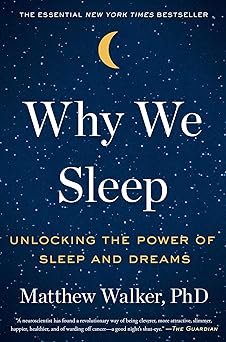
- Walker M. Why We Sleep: Unlocking the Power of Sleep and Dreams. 2017
- National Institutes of Health, Office of Dietary Supplements. Vitamin D Fact Sheet. 2023
- Abbasi B, et al. The effect of magnesium supplementation on primary insomnia in elderly. J Res Med Sci. 2012
- Tardy AL, et al. Vitamins and Minerals for Energy, Fatigue and Cognition. Nutrients. 2020
- Little JP, et al. Low-volume high-intensity interval training reduces hyperglycemia and increases muscle mitochondrial capacity in patients with type 2 diabetes. J Appl Physiol. 2011
- Prather AA, et al. Behaviorally Assessed Sleep and Susceptibility to the Common Cold. Sleep. 2015
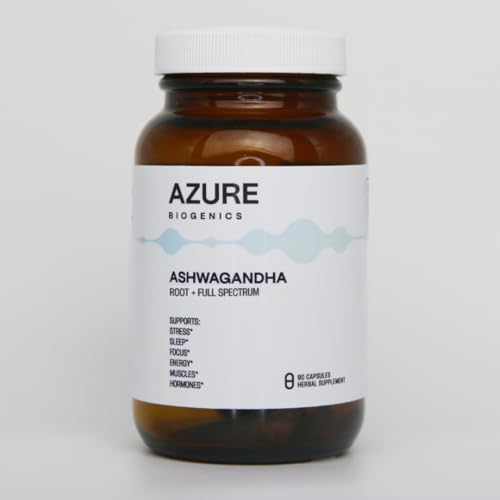
AZURE BIOGENICS
Stress * Anxiety * Memory * Focus * Immunity * Hormonal Balance

AZURE BIOGENICS
Longevity * Mood * Digestive * Eye Health * Immune Support
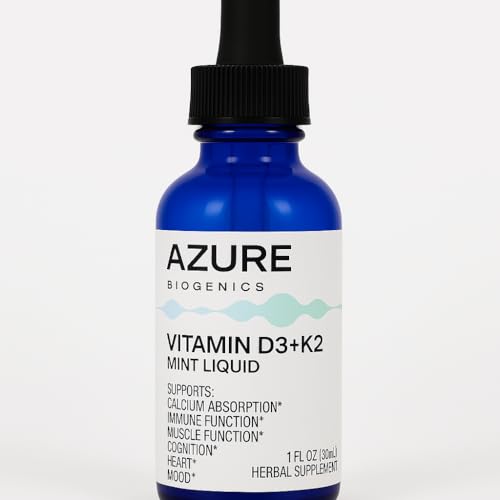
AZURE BIOGENICS
Bones * Immunity * Heart * Circulation
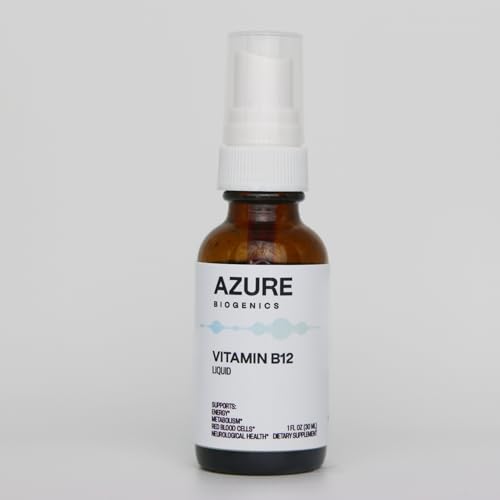
AZURE BIOGENICS
Energy * Nerves * Mood * Cognition * 500 mcg

AZURE BIOGENICS
Muscle * Nervous System * Bones * Energy * Mood

PURE ENCAPSULATIONS
Energy * Immunity * Antioxidant * Red Blood Cell Production

MARYRUTH'S
Cognition * Focus * Stress * Anxiety * Quality Sleep

LIVON LABORATORIES
Lypo Spheric * Antioxidant * Daily Supplement * Non-GMO * Keto Friendly

SVASTHYA BODY & MIND
Alcohol-Free * Sleep * Kids * Adults * Natural
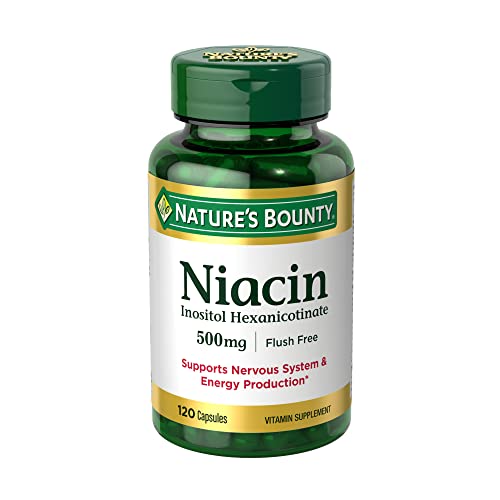
NATURES BOUNTY
Heart * Energy * Metabolism * Circulation * Nervous System

DRINK LMNT
Hydration * Powder * No Filler * Keto * Paleo

NEXCARE
Hypoallergenic * Easy Removal * Sensitive Skin * Multi-Use

HEARS ONE
Earplugs * 20dB Reduction * Noise Reduction * Customizable Insert

MARPAC
Soothing * Natural Sounds * Sleep * Meditation

INTAKE
Snoring * Improved Breathing * Magnetic * Nasal Dilator

SPERAX
2.5HP Silent Motor * Easy to Move * Non-Slip Belt * 3 Modes

PROSOURCEFIT
Doorway Mount * Adjustable * 24"-39" * Comfort Grips * 220lbs
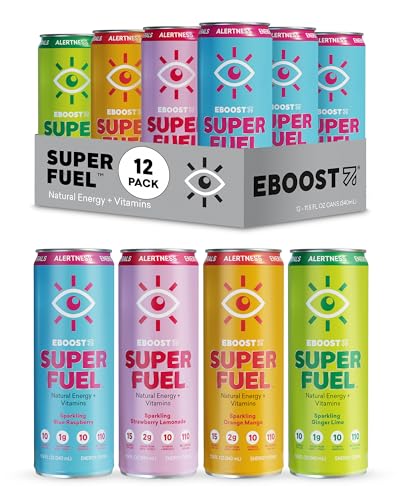
EBOOST
Variety Pack * Natural Caffeine * Clean Energy
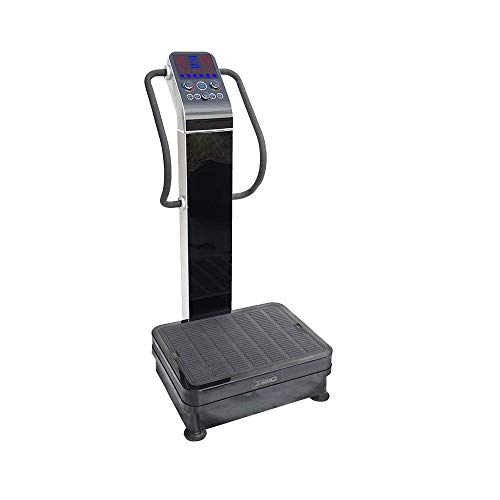
GFORCE
1500 Watt * Fitness * Strength * Flexibility * Recovery * Pain

LIFEPRO
Workouts * Body Vibration * Pain * Balance * Strength