


Summary:
- Skin conditions are a combination of environmental and genetic factors
- Everyday chemicals in our products can be triggers
- Some skin conditions are an indication your immune system is in overdrive
- Consider a gluten-free diet
- Know the dangers of topical steroids
Solutions/Shop:
- Air & Surface Purifier
- Arnica Cream
- Vitamin D
- Probiotic
- Supergreens Powder
- Food Sensitivity Test
- Allergy Test
Skin Conditions: External or Internal Issues?
Ever wondered why your skin suddenly acts up out of nowhere? It might seem like an external issue, but the truth is, that most skin conditions start from within. Your skin is like a mirror, reflecting what’s going on with your immune system. When it goes into overdrive, you see the effects—whether it’s eczema, psoriasis, or another skin disorder. The secret to healthier skin isn’t just in treating the symptoms you see. It’s about diving deeper and addressing what’s going on inside your body.
Read more: Skincare With Castor Oil: Benefits and Tips
Books: Unleashing Your Best Skin…
Eczema: A Holistic Approach
Eczema has both environmental and genetic causes. In fact, science has pinpointed a gene mutation linked to the condition. Flare-ups often occur when the body overreacts to allergens or irritants. Things like pollutants, certain fabrics, and chemicals (hello, detergent) can all be culprits. Even weather changes can play a role, with some people reporting more flare-ups in extreme hot or cold. Stress is also a major factor—when your body is stressed, your immune system can either drop its guard or go into overdrive.
Read more: Why Am I Stressed and What Do I Do About It?, How to Harness Good Stress and Reduce Harmful Stress
Gluten has also been flagged as a potential eczema trigger. More research is showing that even if you don’t have a full-blown gluten allergy, sensitivity could be behind those flare-ups. In one study, 30% of adults with eczema had antibodies targeting gluten, and in another study of children with celiac disease, 90 had a history of Eczema, making this link more apparent (3).
Glowing skin starts from within—balance your diet, reduce stress, and ditch harsh chemicals. Tackle inflammation with anti-inflammatory foods, supplements, and natural products to support your immune system and achieve lasting results without quick-fix risks.
What to Do?
Feeling overwhelmed? We get it. Start by testing for allergens and sensitivities, consider cutting out gluten—you’ve got nothing to lose. We also suggest investing in air purifiers and humidifiers to reduce environmental irritants. And check your products—anything that touches your skin could be triggering your eczema, from lotions to detergents.
Try: At Home Allergy Test, Food Sensitivity Test, Air and Surface Purifier
Read more: The Gut-Skin Axis: Acne, Psoriasis, Eczema
Heres a roadmap to consider that may work for some:
- What not to eat: Gluten
- What to eat: Fish, lean proteins, fruits, vegetables, beans, lentils, nuts, seeds, tea, apples, berries, citrus, fermented foods
- Supplements for Eczema: Probiotics, fish oil, vitamin D, turmeric, primrose oil, arnica, oat baths (topically)
Try: Supergreens Powder, Reds Superfood Powder, Vitamin D, Arnica, Arnica Cream, Probiotic
Books: Rebooting the Biome: Properly Caring For Your Skin Microbiome
How to Manage Psoriasis Naturally
What is psoriasis? Psoriasis is another immune-related skin condition where your immune system mistakenly attacks healthy skin cells. This condition, like eczema, is influenced by both genetics and environmental triggers. Highly processed foods are a known enemy, as they promote inflammation, which only worsens psoriasis symptoms.
Tips for reducing psoriasis symptoms naturally? Focus on cutting out processed foods, and load up on anti-inflammatory, whole foods. Your diet can have a profound impact on how your skin responds to external stressors.
Heres a roadmap to consider that may work for some:
- What not to eat: Processed foods, dairy, gluten, sugar, carbs, red meat, eggs
- What to eat: Fish, lean proteins, fruits, vegetables, beans, lentils, nuts, seeds
- Supplements for Psoriasis: Probiotics, fish oil, turmeric, primrose oil, aloe vera (topically), arnica
Read more: The Skin-Body Connection: How Your Skin Supports Overall Health
Books: Skin Sobering…
Other Skin Conditions Linked to Immune System Dysfunction
Lupus, dermatitis, dermatomyositis, alopecia, and rosacea are all linked to allergens and the immune system, much like eczema and psoriasis. Holistic management of these conditions involves a combination of dietary adjustments, stress management, and being mindful of environmental irritants.
How to be your own advocate? Stay informed and consult your healthcare provider about holistic approaches. Ask questions and take charge of your health journey by exploring all your options.
Hidden Chemicals that Trigger Skin Conditions
You may not realize that everyday chemicals are lurking in products that can irritate your skin. Here’s how to be aware of some common culprits:
- Diisocyanates: Found in polyurethane products like footwear, sponges, and loofahs.
- Metals: Nickel, cobalt, chromium, cadmium, lead, platinum, copper, and mercury.
- Paraphenylenediamine: A common ingredient in hair dyes and cosmetics.
- Cocamidopropyl betaine: Found in shampoos and body washes.
- Ethanol: Present in gels.
- Fragrances: Often added to lotions and cosmetics, fragrances are a sneaky trigger for sensitive skin.
Tips: Always check the labels of your personal care products and avoid harsh chemicals whenever possible. Opt for fragrance-free, natural alternatives to give your skin a break.
Read more: Teen Stress During Puberty: Trauma, Toxins, Thoughts
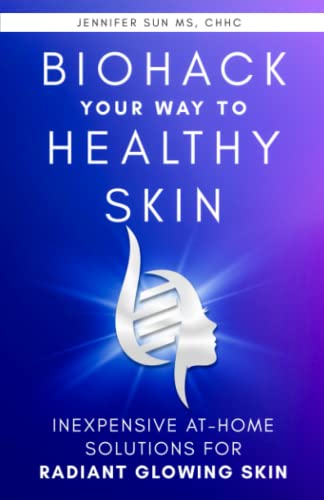
Books: Biohack Your Way to Healthy Skin…
The Dangers of Topical Steroids
Topical steroids might seem like a miracle relief for skin conditions, but they come with serious risks. What some doctors don’t tell you is that long-term use of these creams can lead to dependency, where your skin becomes reliant on them to function. When you stop using steroids, you may experience withdrawal symptoms that are far worse than your original condition.
How to avoid steroid dependency? Before jumping to steroids, try exploring holistic options. Discuss all the risks with your doctor and consider natural remedies as a first line of defense. You may find that alternative options offer relief without the dangers of dependency.
Read more: Your Guide to Peptides in Skincare: What Works and Why
Take Control of Your Skin Health Today
Take control of your skin health today by exploring the books, products, and supplements we’ve discussed. When you take action, you’ll feel empowered and excited about your well-being. Whether it’s adjusting your diet, trying new supplements, or swapping out chemical-laden products, every step brings you closer to healthier, glowing skin. Don’t wait—start now and experience the confidence that comes with being in charge of your wellness from the inside out!

PURE ENCAPSULATIONS
Bones * Joints * Heart * Colon * Immunity


ANCIENT NUTRITION
Superfood * Natural Probiotics * Chlorella * Matcha * Digestive Enzymes
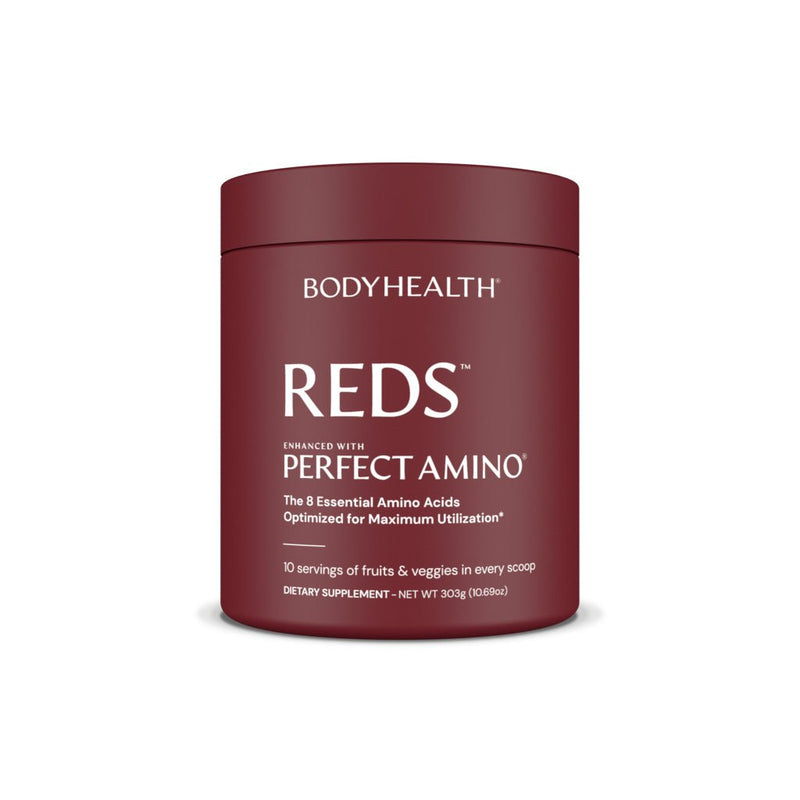
BODY HEALTH
Antioxidant * Mental Focus * Stress * Immunity
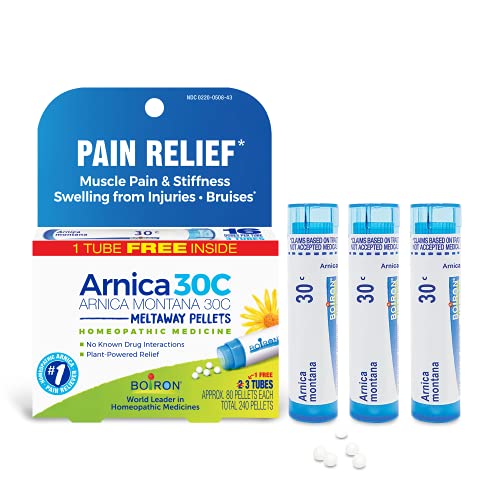
BOIRON
Homeopathic Remedy * Muscle Pain * Stiffness * Swelling


NUTRAFOL
Cleanse * Hydrate * Strengthen * Thickness * Texture

NUTRAFOL
Thickness * Moisturizing * Strengthen * Repair * Elasticity

PURACLENZ
Dust * Pollen * Pet Dander * Smoke * Allergens * Mold * Viruses * Bacteria

EVERLYWELL
96 Foods * Blood Sample * CLIA-Certified Labs

EQUALDX
Allergy * Testing * IgE Antibodies * Blood Sample * 24 Allergens


This article provides general information and discussions about health and related subjects. The information and other content provided in this blog, or in any linked materials, are not intended and should not be construed as medical advice, nor is the information a substitute for professional medical expertise or treatment.