

Summary:
- Diet, Meal Frequency, and pH Influence Oral Health
- Oral Health Impacts Cardiovascular Disease, Diabetes, Inflammation, Cancer, and Alzheimer’s
- Consistent Oral Health Routine Supports Overall Well-Being
Solutions/Shop:
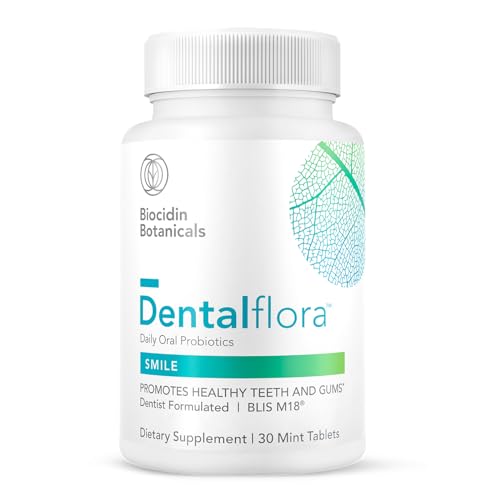
- Oral Health Probiotic
- Oral Microbiome Test Kit
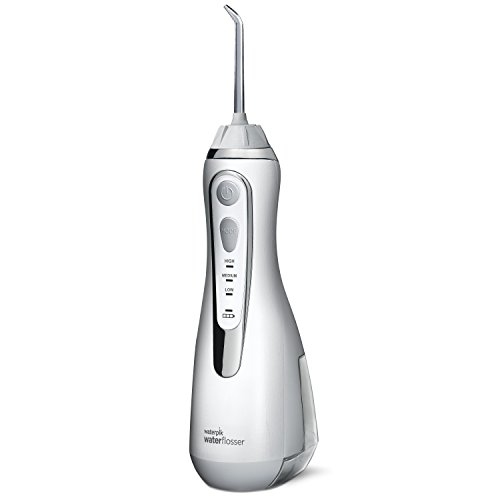
- Bedtime Pre-Game: Oil Pulling, Tongue Scraping, Water Flossing
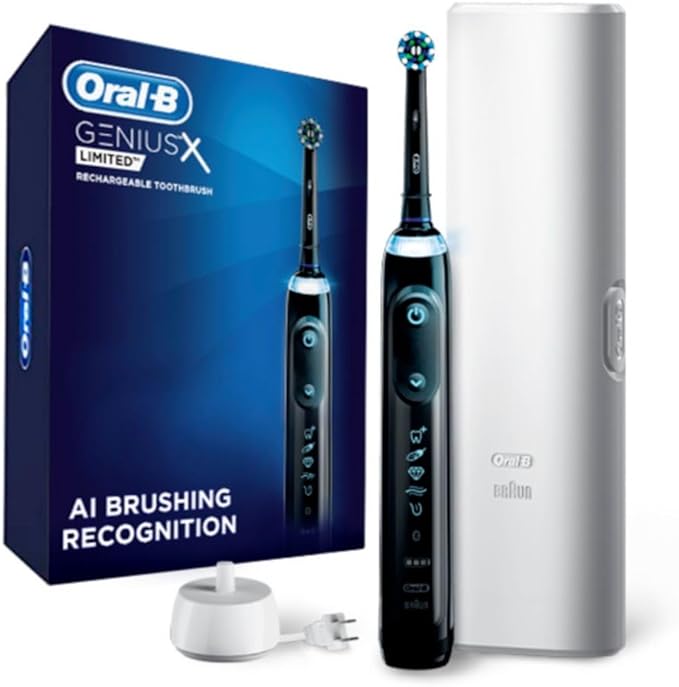
- Tooth Brushing: Mineralizing Toothpaste, Rotating Electric Toothbrush
- The Finale: Xylitol Mouthwash Tablets, Xylitol Gum
The Mouth, A Gateway to Health?
The oral microbiome, a complex ecosystem, holds secrets that are just beginning to be unlocked. Your mouth hosts a distinct microbiome, the second largest and most studied in the human body. Dental health plays a crucial role in our immune wellness, and regular checkups can significantly enhance oral wellness.
The human mouth interacts with our daily environment—food, drinks, air, and even objects—shaping its unique microbiome. This dynamic environment is influenced by various factors, leading to individual microbiome variations. So, what is the connection between your oral microbiome and overall wellness?
A Thriving Oral Environment
The mouth, with its steady 98.6°F (37°C) temperature, neutral pH of 6.5 to 7.5, and constant moisture, offers a perfect breeding ground for microorganisms. Saliva not only hydrates but also facilitates nutrient transport, allowing microbes to flourish and travel within the body. Tips on how to increase your mouth’s resilience? Focus on maintaining balanced oral hygiene and regular dental visits.
Despite these ideal conditions, the oral microbiome undergoes rapid changes influenced by diet, meal frequency, and pH fluctuations. These shifts drive the evolving microbial landscape.
Try: Sustainable Sonic Toothbrush, Sonic Travel Toothbrush,Toothbrush Sanitizer
Read more here: Nutrition for Tooth Remineralization…, Holistic Dentistry…
The Balanced Microbial Ecosystem
Bacteria in the mouth include oxygen-loving aerobes and anaerobes that thrive without it. Together, they form resilient biofilms, maintaining oral homeostasis. Adults produce over a liter of saliva daily, much of which enters the GI tract, explaining the presence of core bacteria in both the mouth and gut.
Try: Oral Probiotic
Read more: Probiotics, Prebiotics, and Microbiome Magic
Linking Oral Health and Systemic Disease
Oral health is intricately linked to systemic conditions like cardiovascular disease, adverse pregnancy outcomes, diabetes, and respiratory diseases. Emerging research highlights oral dysbiosis—microbial imbalance—as a factor in systemic inflammation, cancer, and Alzheimer’s disease. The easiest way to stay ahead? Consistent oral care and mindfulness about your diet.
Periodontal Disease and Systemic Impact
Periodontal disease is a risk factor for systemic diseases. Key pathogens like Porphyromonas gingivalis and Fusobacterium nucleatum cause inflammation, intestinal barrier destruction, and systemic inflammatory responses.
Consistent oral care and mindfulness about your diet can potentially impact your risk of systemic inflammation, cancer, and Alzheimer’s disease.
Read more here: How to Protect Brain Processes With Nutrients As You Age
Oral Microbiome and Inflammatory Conditions
In inflammatory bowel disease (IBD) patients, oral bacteria like Streptococcus, Prevotella, Neisseria, Haemophilus, and Veillonella differ from healthy individuals. F. nucleatum and Klebsiella pneumoniae play significant roles in IBD, with oral-derived microorganisms found in higher amounts in patients with IBD.
Oral Health and Liver Cancer
Liver cancer patients show higher levels of Bacillus, Leptotrichia, Actinomyces, and Campylobacter, and lower levels of Haemophilus, Streptococcus, and Pseudomonas. P. gingivalis is associated with non-alcoholic fatty liver disease progression.
Oral Health and Endocarditis
Lactobacillus and Streptococcus in the mouth are linked to infective endocarditis. Specifically, Streptococcus sanguis, an early dental plaque colonizer, is frequently detected in endocarditis patients’ endocardium.
Oral Health and Alzheimer’s Disease
The connection between oral health and Alzheimer’s disease involves multiple factors, including periodontitis severity, tooth loss, and brushing habits. These factors relate to oral flora and inflammation control, influencing systemic homeostasis.
Unveiling the Oral Microbiome
Although we are only beginning to understand the oral microbiome, its impact on various other body systems is undeniable. Empower yourself by maintaining oral health through regular dental checkups and daily hygiene. This simple yet vital routine not only preserves your smile but also fortifies your overall well-being. Embrace the journey towards holistic wellness, starting with a clean, balanced mouth.
Daily Practices to Support a Healthy Oral Microbiome
Eat: A Healthy and Varied Diet of Whole Foods to maintain a healthy Ph in your gut.
Floss: Daily with dental floss or a water flosser to remove bacteria that build up between teeth before it turns to plaque.
Try: Organic Dental Floss, Electric Water Flosser
Oil Pulling: Originated in Ayurveda practices and can be done as frequently as daily, but even weekly is beneficial. Oil pulling, or swishing oil around in your mouth, activates the salivary enzymes which absorb chemical, bacterial, and environmental toxins from the blood and are removed from the body through the tongue.
Try: Coconut Oil Pulling Kit
Tongue Scraping: The practice of running a tongue scraper across your tongue helps remove debris, bacteria, and dead cells and may have other benefits, including improving your sense of taste.
Try: Tongue Scraper
Brush: Twice daily, especially before bed, following flossing, oil pulling, and tongue scraping, to remove the film of bacteria that coats the teeth. Brush with a light pressure so as not to damage your gums. Use a tooth mineralizing toothpaste or tooth powder to help strengthen the mineral content of the teeth, which can help teeth become stronger, more comfortable, and less susceptible to cavities.
Try: Mineralizing Toothpaste
Chew or Rinse: Chewing gums, toothpastes, and rinses containing Xylitol support the repair of your gums. Something as simple as routinely chewing gum that contains Xylitol or using a Xylitol mouthwash tablet or oral rinse limits the growth of new bacteria and allows soft tissue to heal and recover.
Try: Xylitol Gum, Xylitol Mouthwash Tablet, Antigingivits Mouthwash
Remove: Have mercury fillings removed by a certified Biological Dentist





This article provides general information and discussions about health and related subjects. The information and other content provided in this blog, or in any linked materials, are not intended and should not be construed as medical advice, nor is the information a substitute for professional medical expertise or treatment.