
Summary:
- Probiotics are active, live bacteria found in foods and supplements
- Gut health enhances neurotransmitter production, immunity function, and digestion
- Yogurt, tempeh, kombucha, and fermented foods like kimchi, sauerkraut, and kefir contain probiotics
- Your gut is home to about 70% of the function of your immune system
- Prebiotics consist of different types of fiber
Solutions/Shop:
Gut Health
How the microbiome affects your health is a hot topic. You can find discussions about it in prominent publications, over coffee chats, on Instagram, and pasted all over half the newest “superfoods” and beauty products in your favorite stores. So, what’s all the fuss about the microbiome, and how do you find out about it? Let’s start with the basics.
Read more here: Probiotic Cheat Sheet, 7 Tips to a Healthy Gut
Books: Super Gut, The Psychobiotic Revolution
What is a Microbiome?
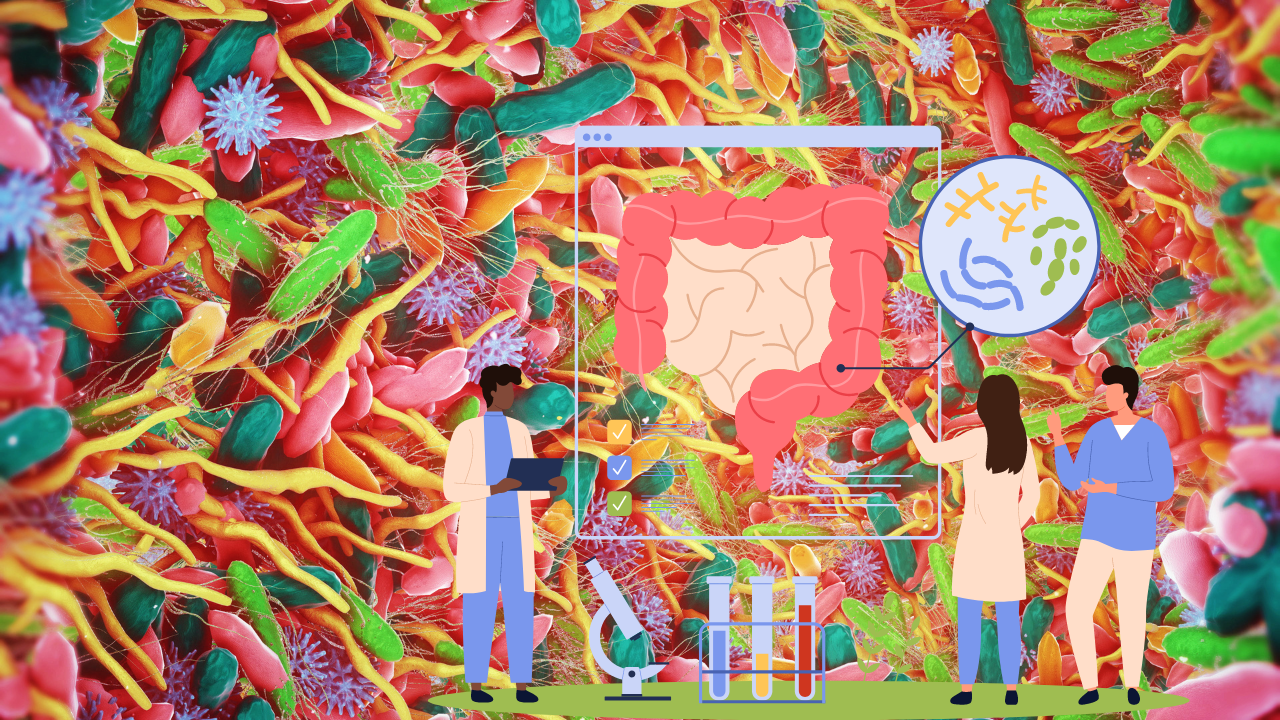
First, break the word up and see what you get. You get micro – which means small – and biome – which means a community of living beings. So, a microbiome is a small community of living organisms. In general, the term refers to the community of microorganisms that live in or on your body – along with their genetic material.
Although microbiomes exist in all regions of your body (skin, mouth, genitalia, even your lungs), more commonly today the term refers to the community that inhabits your digestive tract, which is the focus of this article. The gut microbiome is an essential part of your biology because it plays a significant role in multiple body systems, including digestion, immune function, brain health, and the aging process.
Your gut is home to about 70 percent of the function of your immune system, and the friendly bacteria in it play a huge role in helping your body differentiate friend from foe. Without this differentiation, the immune system can miss foreign invaders and inadvertently begin attacking your own cells. When this happens in a big way, it is commonly referred to as an autoimmune disorder.
As if that wasn’t a big enough job for your gut, it also plays a major role in your brain function and emotional balance. To start, there is a very large nerve in your body called the vagus nerve. The vagus nerve connects numerous integral systems in your body, including the gut and the brain, and its nerve transmissions travel in both directions.
Try: Vagus Nerve Stimulator
Your gut is also a major production site for neurotransmitters like serotonin and gamma-aminobutyric acid (GABA). It’s estimated that your gut produces more than 90 percent of the serotonin in your body (such a busy little community down there).
Try: GABA + L-theanine
Read more: The Gut-Brain Connection, Anxiety & Depression The Gut Connection
Serotonin plays a role in sleep patterns and contributes to feelings of happiness, while GABA plays a role in controlling feelings of fear and anxiety. Your gut and brain are inextricably intertwined. (When your mother told you to trust your gut, she was spot on.)
So, now that you know that your own gut is home to a little community of creatures that keep you well and happy, doesn’t it make you want to take extra special care of it?
You can take care of your ‘gut community’ by getting adequate sleep, exercising, eating a healthy diet, and supplementing to support your microbiome. The two most common types of supplements to support
gut health are probiotics and prebiotics.
Try: Bodyhealth Probiotic
What Are Probiotics?
Probiotics are the active, live bacteria and yeast found in certain foods and supplements. About this tiny community you are caring for, probiotics are like adding to the population. Who doesn’t love a new, friendly neighbor? Foods that contain probiotics include yogurt, tempeh, kombucha, and fermented foods like kimchi, sauerkraut, and kefir.
If these foods are not your favorite, or you require additional support, then you should consider a probiotic supplement. Supplementing with a probiotic can have numerous health benefits, including aiding in digestive complaints, supporting healthy immune function, promoting brain health, and even helping with weight management.
Not all probiotic supplements are created equal, so choosing a quality supplement will help to ensure that you get what it says on the label and that those little friends actually survive until their move-in date. Thorne has an entire suite of probiotic supplements designed to address your specific health needs and concerns.
Read more: What Is IBS? What Isn’t?
Try: FloraMend Prime Probiotic, Bacillus Coagulans Probiotic
What are Prebiotics?
If you could visit these new neighbors in your gut community, would you go empty-handed or bring a gift?
Prebiotics consist of different types of fiber mostly derived from plants, that your body does not break down but that your gut bacteria love!
Prebiotics help your gut community to grow and flourish, especially by assisting those little organisms to produce special nutrients called short-chain fatty acids (SCFAs). In turn, SCFAs become the main nutrition for the cells that make up your digestive tract and contribute to a healthy gut lining. Adequate SCFAs can reduce the risk of obesity, support cardiovascular systems, and may lower the likelihood of developing a leaky gut.
Many foods contain prebiotic fiber, including vegetables like asparagus, garlic, onion, and leeks. Roots like chicory, jicama, and Jerusalem artichoke are also excellent sources of prebiotic fiber. But not all prebiotics are fiber. Plant polyphenols from berries and green tea are examples of non-fiber prebiotics.
Try: Organic Green Tea, Green Tea Extract, Super Greens
Read more: Green Tea vs. Black Tea
Apples and bananas are two of the best fruit choices for feeding your gut friends. I know you already get your five servings of fruits and vegetables every day (because you’re awesome), but if you are struggling with this, or you aren’t getting the right type of fiber to feed your microbiome, then you should consider either a fiber or non-fiber prebiotic supplement.
Thorne’s FiberMend powder provides prebiotic fiber that helps maintain healthy glycemic control, supports digestive regularity, and feeds your gut friends so they’re happy and keep doing all that good work. Need non-fiber prebiotic support? Thorne’s Prebiotic + is a pomegranate berry-flavored dissolvable disc supplement that nourishes the “good” bacteria in your gut without causing excess gas or bloating like traditional fiber-based formulas.
Try: FiberMend
In Review
A microbiome is an amazing community of organisms and all their genetic material. This amazing community lives in your gut and is always working to support a healthy weight and maintain healthy immune function – and it even contributes to that smile on your face.

THORNE
Gut * Immunity * Weight Management * Lactobacillus Gasseri KS-13

THORNE
GI Function * No Refrigeration * 60 Capsules
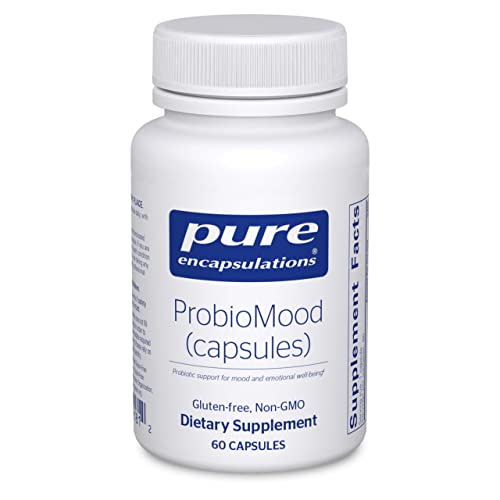
PURE ENCAPSULATIONS
Relaxation * Cognition * Microbiome * Immunity


QUICKSILVER SCIENTIFIC
Calmness * Neurotransmitter * Stress * Anxiety * Cognition

FGO
Eco-Friendly * Antioxidants * Digestion * Organic * Non-GMO

PURE ENCAPSULATIONS
Antioxidant * Metabolism * Weight Management * Heart * Cognition

ANCIENT NUTRITION
Superfood * Natural Probiotics * Chlorella * Matcha * Digestive Enzymes

APOLLO NEURO
Sleep Aid * Stress Relief * Focus * Energy


This article provides general information and discussions about health and related subjects. The information and other content provided in this blog, or in any linked materials, are not intended and should not be construed as medical advice, nor is the information a substitute for professional medical expertise or treatment.