


Summary:
- Eat a diet rich in probiotics and prebiotics (fermented foods like pickles, and sauerkraut)
- Incorporate turmeric
- Consider a Mediterranean diet (legumes, fruits, vegetables, nuts, and olive oil)
- Reduce processed foods and sugars
- Use probiotics and supplements
Solutions/Shop:
What is Alzheimer’s Disease?
As people age, many find themselves grappling with the fear of cognitive decline, often unsure of its cause. So, what is Alzheimer’s disease, exactly? Over the past few decades, this neurodegenerative disease has become alarmingly common, especially after the age of 60, with a sharp rise after 65. In 2010, there were approximately 36 million people worldwide living with cognitive decline, and that number is expected to double every two decades. Naturally, our brains slow down with age, however, we don’t need to accept this notion. New emerging research tells us lifestyle choices such as diet, exercise, and sleep may play a part in the prevention of this disease- all things we have the power to take control of.
Gut Wellness and Alzheimer’s Disease: The Brain-Gut Connection
The idea that microbes in the gut can influence brain health may sound surprising, but the gut and brain are connected through the gut-brain axis—an intricate communication network involving neurons, proteins, and chemicals that relay messages between the two systems. This connection has led scientists to explore how to increase
Research shows that certain high-fiber foods, like whole grains, fruits, and vegetables, promote the growth of gut bacteria that produce short-chain fatty acids (SCFAs). These SCFAs have anti-inflammatory properties and have even been shown to enhance memory in animal studies. As both humans and animals age, however, the diversity of bacteria in the gut tends to decline, making room for harmful bacteria to flourish. Upcoming research is investigating whether reversing these age-related changes in the gut microbiome could help slow or even prevent neurodegenerative diseases like Alzheimer’s disease. This exploration into the gut’s impact on the brain opens up exciting possibilities for tips on new interventions.
Read more here: The Gut-Brain Connection, 7 Tips To a Healthy Gut
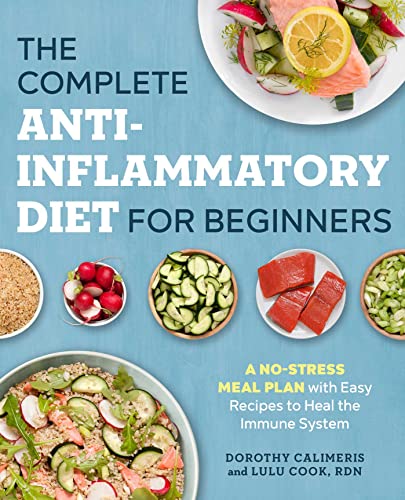
Books: Fiber Fueled…, The Complete Anti-Inflammatory Diet for Beginners…
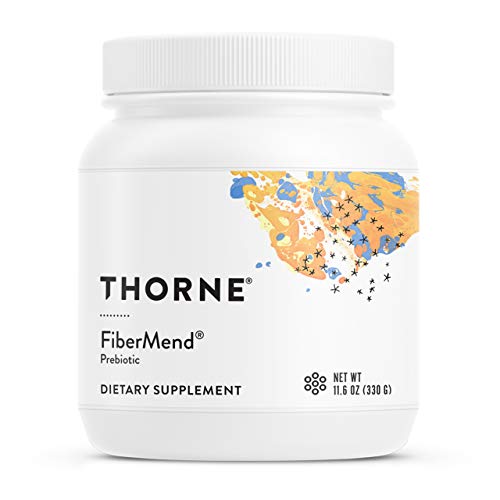
Try: Floramend Prime Probiotic, Fibermend, Gut-Brain Health Ion
The Growing Evidence of the Gut-Brain Connection in Alzheimer’s
The connection between the gut microbiome and Alzheimer’s disease is becoming clearer with each new study. Researchers in Ireland, England, and Italy have recently confirmed that Alzheimer’s symptoms can actually be transferred to a healthy young organism via gut microbiota, demonstrating a causal link between the gut and Alzheimer’s disease. This finding underscores the bidirectional communication between the gut and the brain—a relationship that plays a critical role in the progression of Alzheimer’s. It also provides further tips for understanding how to increase protection against the disease.
Building on this, a 2022 study from King’s College London analyzed blood and stool samples from people with and without Alzheimer’s. The results were striking: those with Alzheimer’s had a distinct gut profile marked by an increase in inflammation markers. The gut microbiome of individuals with preclinical Alzheimer’s—characterized by changes in brain amyloid and tau proteins—also differed significantly from that of healthy individuals.
Read more: Probiotic Cheat Sheet, Prebiotics, Probiotics, and Microbiome Magic
Books: The Psychobiotic Revolution…, Super Gut, Ageless Aging…
Alzheimer’s prevention might start in the gut. Research links a balanced microbiome to reduced brain inflammation, suggesting that probiotics, fiber, anti-inflammatory foods, and spices like turmeric could protect cognitive health. Simple diet changes, like following a Mediterranean diet and incorporating gut-healthy habits, offer proactive ways to support the brain as we age.
Further research supports these findings. In experiments, rats implanted with gut bacteria from Alzheimer’s patients showed reduced nerve cell growth compared to control rats. Early trials suggest that treating brain stem cells with blood from Alzheimer’s patients can disrupt nerve cell development, pointing to the role that inflammation from gut metabolites may play in brain wellness. Though the research is still evolving, one thing is clear: there’s a strong connection between the gut and Alzheimer’s. This could be the easiest way to approach future treatments.
Read more here: How to Protect Your Brain Processes With Nutrients As You Age, Enhance Your Brain: How to Improve Your Memory Holistically
Books: Change Your Brain Every Day, The Age-Proof Brain, Forever Strong…, The End of Alzheimer’s…, The Aging Brain…
Turmeric’s Role in Alzheimer’s Disease Prevention
Turmeric’s active ingredient, curcumin, is especially gut-friendly. It helps improve intestinal barrier function and combat intestinal permeability, commonly known as “leaky gut.” In collaboration with the gut microbiome, turmeric works to reduce inflammation, which is why it’s seen as a valuable tool in fighting diseases like Alzheimer’s. Used for centuries in traditional Asian medical practices, turmeric is now recognized globally for its anti-inflammatory properties, especially in relation to
The Mediterranean Diet
When it comes to supporting brain health and nourishing the microbiome, the Mediterranean diet has shown tremendous promise in reducing inflammation, a key factor in neurodegenerative diseases like Alzheimer’s. The easiest way to follow this diet is to focus on nutrient-dense, anti-inflammatory foods that help keep the gut—and therefore the brain—functioning at its best. Here are some tips on Mediterranean diet staples:
- Beans and legumes
- Fiber-rich foods (or supplements like psyllium husks)
- Fruits
- Nuts and seeds
- Oily fish (in moderation)
- Olives and olive oil
- Probiotic and prebiotic foods (like yogurt and bananas)
- Spices (such as turmeric and ginger)
- Vegetables (especially leafy greens)
At the same time, it’s wise to avoid:
- Alcohol
- Foods with excessive sugar or salt
- Palm oil
- Corn oil
- Refined seed oils
- Pre-made desserts
- Processed foods
Try: Probiomood, Women’s Daily Probiotic, Happy Gut Coffee
Read more here: Morning Habits for Longevity: Secrets From the Blue Zones
Books: The Blue Zones Kitchen, The Blue Zones Secrets for Living Longer
Probiotics: Essential for Gut and Brain Health in Alzheimer’s Disease
Just as with conditions like stroke and Parkinson’s disease, pre- and probiotics are crucial in enhancing and maintaining a healthy microbiome. Diets rich in these beneficial bacteria—found naturally in fermented foods like pickles and sauerkraut—can reduce intestinal permeability and inflammation, which is key in preventing further damage to both the gut and the brain. Supplementing further can ensure you get an adequate amount of pro- and prebiotics in your diet.
What is the connection to Alzheimer’s? A healthy gut means reduced inflammation, which is directly tied to lowering the risk factors associated with Alzheimer’s. By improving the gut environment, pre- and probiotics can decrease overall inflammation throughout the body, including in the brain, which helps combat neurodegenerative conditions.

ION
Probiotic * Enzyme * Digestion * Immunity

THORNE
Gut * Immunity * Weight Management * Lactobacillus Gasseri KS-13
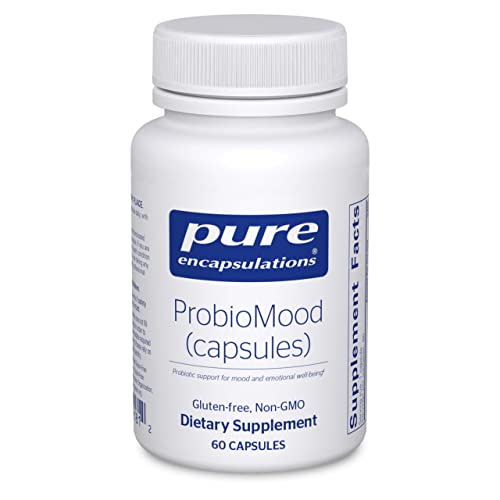
PURE ENCAPSULATIONS
Relaxation * Cognition * Microbiome * Immunity

AZURE BIOGENICS
Microbial Balance * Vaginal Wellness * Urinary Tracts






This article provides general information and discussions about health and related subjects. The information and other content provided in this blog, or in any linked materials, are not intended and should not be construed as medical advice, nor is the information a substitute for professional medical expertise or treatment.