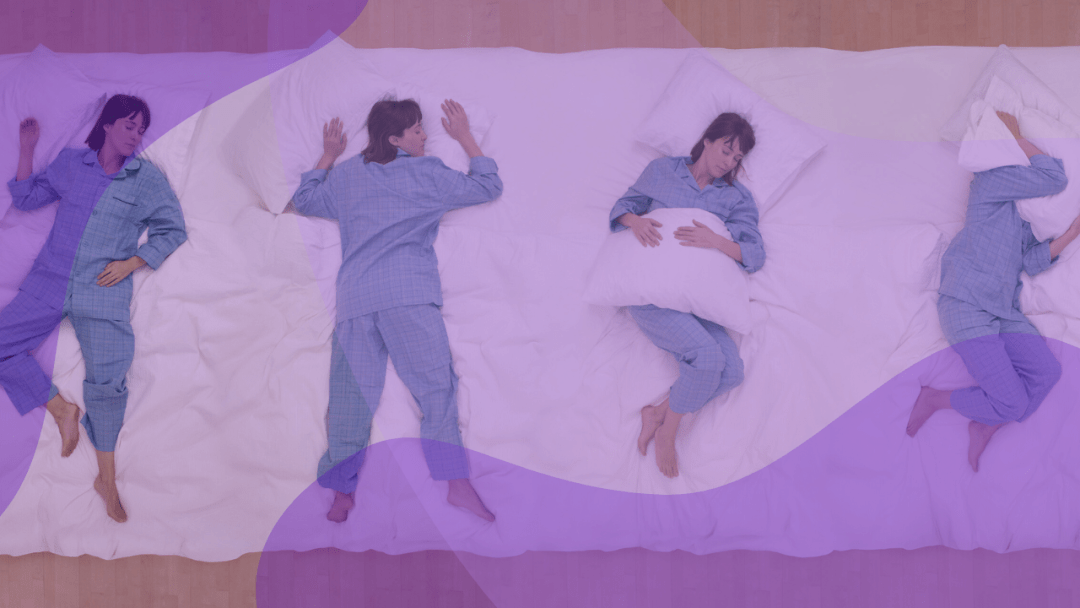


Here’s the thing no one tells you: the anxiety around sleep is often worse for your body than the missed hours themselves. Your nervous system doesn’t know the difference between “I have a big meeting” and “I only got 5 hours.” Stress is stress.
The good news? You don’t need a perfect 8 hours to function well. You need a few simple shifts—and the right support. We researched this so you don’t have to. Shortcuts are included. 💚
SHORT ANSWER
Stop chasing “perfect sleep” and start focusing on quality, consistency, and nervous system support. Strategic naps, a flexible schedule, and the right supplements (especially Magnesium Glycinate) can transform how you feel—even without a perfect night.
KEY TAKEAWAYS:
- Worrying about sleep makes sleep worse — let go of perfection
- “Anchor sleep” + strategic naps beats trying to white-knuckle 8 solid hours
- Consistency in your wake time matters more than bedtime
- Magnesium Glycinate before bed calms your nervous system and improves sleep quality
- Your sleep stages are information, not a report card
QUICK START:
- Pick a consistent wake time and stick to it (even weekends—yes, really)
- Add Magnesium Glycinate 1 hour before bed (200–400mg range)
- If you miss a night: nap 20–30 min the next afternoon, then reset
Get the Spring Foundational Guide free — includes what to take, when, and why.
Send Me the Free Guide
You’ll get it immediately + a few bonus tips. Unsubscribe anytime (but we think you’ll stay 💚).
1. Let Go of “Perfect” Sleep (Seriously, It’s Making Things Worse)
There’s a real phenomenon called orthosomnia—anxiety caused by obsessing over sleep data and sleep “scores.” And a lot of us Gen X women are living it.
You check your ring or watch, see you got 5.5 hours and 20 minutes of deep sleep, and suddenly your whole morning is ruined before it starts. Sound familiar?
Sleep is designed to help you recover from stress—not to become another source of it. When you wake up and immediately grade your sleep, you’re starting your cortisol response before you’ve even had coffee. Not helpful.
Research from the National Sleep Foundation points to 7–9 hours as the general target for most adults. But the actual goal is simpler: do you wake up feeling functional? Are you dragging by 2pm every day?
Your body knows. Listen to it more than your tracker.
If you’re wearing a sleep tracker, try checking your score after you assess how you feel—not before. See if it changes how you interpret the data.
2. Use Anchor Sleep + Strategic Naps (The Real Sleep Hack)
You don’t need to get all your sleep in one block. Your body is actually built for something called anchor sleep—the longest sleep period in your 24-hour day—plus short supplemental naps.
This is especially useful if you’re dealing with seasonal fatigue, hormonal disruptions, or just the chaos of Gen X life (jobs, kids, aging parents, the whole thing).
How naps actually work
Every hour you’re awake builds something called sleep pressure—your body’s biological drive to sleep. Even a short nap releases that pressure quickly.
The sweet spot: 20–30 minutes in the early afternoon.
- Long enough to feel restored
- Short enough to avoid waking from deep sleep (which causes that groggy, worse-than-before feeling)
- Early enough to not mess with nighttime sleep
If you wear an Oura Ring, naps of 15+ minutes are automatically detected and can actually improve your daily Sleep Score and Readiness Score — as long as they’re not too late in the day.
Can’t nap? Even 10–15 minutes of quiet daydreaming helps your nervous system reset. No sleep required.
Night shift workers: Try to separate your anchor sleep from naps by several hours when possible, so your body gets distinct rest cycles.
The Spring Foundational Guide has it all — including what I take before bed and why it actually works.Get the Free Guide
3. Stay Consistent — But Give Yourself Grace
Here’s what research consistently shows: a regular sleep schedule improves sleep quality more than almost anything else. Your body loves predictability.
But Gen X women know life doesn’t cooperate. So let’s be realistic.
How to build consistency without rigidity
- Anchor on your wake time, not your bedtime. A consistent wake time does more for your rhythm than forcing yourself to bed at 10pm sharp.
- Make changes in 15-minute increments. Shifting your schedule gradually is more sustainable than a hard reset.
- One off-night doesn’t break you. Late night out? Family emergency? Travel? Get back to your rhythm as soon as you can. That’s all.
Staying out late for a fun dinner or getting up early for a ski trip is not “ruining your sleep.” It’s living your life. Just get back on schedule the next day.
If you’re dealing with deeper sleep disruption connected to hormones or perimenopause, check out our guide on how to actually improve sleep quality—there’s more to the story.
4. Treat Sleep Stages as Information, Not a Report Card
We all know about REM sleep now. And deep sleep. And we’ve all had the panic of seeing “you only got 45 minutes of deep sleep” on our tracker and wondered if we’re broken.
You’re not broken.
How much time you spend in each sleep stage varies significantly by individual, by age, by hormones, and by the day. What matters most is whether your body has enough time to cycle through all the stages naturally—usually 4–5 cycles of about 90 minutes each.
The shortcut: aim for enough total sleep to allow multiple cycles, and your body will sort out the stage allocation on its own.
Use sleep data to spot patterns, not to grade yourself nightly. If your deep sleep is consistently low for weeks, that’s worth investigating. One bad night? Move on.
Want to learn more about what’s actually happening while you sleep? Check out What Are the 4 Stages of Sleep?
5. The Supplement That Actually Changes Your Sleep (No, Really)
If you’re doing all the right sleep hygiene things and still lying awake with a brain that won’t quiet down — this is usually a nervous system problem.
And the single most effective, evidence-backed, underrated tool for a Gen X woman’s nervous system? Magnesium Glycinate.
Why Magnesium Glycinate specifically?
- Supports GABA — your brain’s “calm down” neurotransmitter
- Helps regulate cortisol (critical for women in perimenopause)
- Improves sleep onset and quality, not just duration
- Glycinate form = gentle on digestion (unlike Magnesium Oxide, which sends you running to the bathroom)
Not all magnesium is the same. Magnesium Oxide is cheap and common in drugstore supplements—but it’s poorly absorbed and can cause digestive issues. Look specifically for Magnesium Glycinate or Magnesium Bisglycinate.
Take 200–400mg about an hour before bed. If you’re sensitive, start at the lower end.
The complete Spring Foundational supplement stack also includes Vitamin D3 + K2 (which affects sleep-regulating melatonin pathways) and a quality Women’s Probiotic—because
See the full Spring Foundation supplement stack here →
Struggling with energy as much as sleep? Read our article: Where Did All My Energy Go?
- Kidney disease (magnesium metabolism is affected)
- Taking medications for heart conditions or antibiotics (timing matters)
- Pregnant or nursing
- If you have a diagnosed sleep disorder (sleep apnea, RLS, insomnia disorder)
Sleep advice is general. Your situation is specific. Talk to your doctor if you’re dealing with something more complex.
FAQ: Your Sleep Questions, Answered
A: Yes. Most adults need 7–9 hours, but quality matters more than hitting an exact number. If you feel alert and functional during the day, you’re getting enough.
Q: Will a nap make it harder to sleep at night?
A: Only if it’s too long or too late. Keep naps to 20–30 minutes and take them before 3pm. That’s the sweet spot that restores energy without disrupting nighttime sleep.
Q: What does Magnesium Glycinate actually do for sleep?
A: It supports the neurotransmitters that calm your nervous system, helping you fall asleep faster and reducing the anxious late-night spiral. Some people notice a difference within a few nights; others take a few weeks.
Q: Why do I wake up at 3am every night?
A: This is often hormonal (especially in perimenopause), blood sugar-related, or cortisol-driven. Magnesium, consistent sleep timing, and avoiding alcohol near bedtime can all help. If it’s persistent, worth mentioning to your doctor.
Q: Does Vitamin D really affect sleep?
A: Some research suggests Vitamin D plays a role in regulating melatonin and sleep timing. Many women are deficient without knowing it — especially in winter. The D3 + K2 combination is the form most worth taking.
Q: Is a sleep tracker worth it?
A: It can be helpful for spotting long-term patterns, but can also cause anxiety if you check it obsessively. Use data as a trend tool, not a nightly grading system.
Q: How quickly will I see results from Magnesium Glycinate?
A: Many people report calmer sleep within a few nights. Full effects on sleep quality typically build over 2–4 weeks of consistent use.
- Why am I so tired in winter? — Often a combination of Vitamin D deficiency and disrupted circadian rhythm. Read this.
- How do I reduce tossing and turning? — Usually comes down to temperature, cortisol, and nervous system calm. Read this.
- Does
gut health affect sleep? — Yes, significantly. Here’s what to know.
The Bottom Line: Sleep Less Stressed, Rest More Restored
Chasing perfect sleep is exhausting — and counterproductive. The women who sleep best aren’t the ones rigidly hitting 8 hours. They’re the ones who’ve stopped white-knuckling it.
Give your nervous system the support it needs (hello, Magnesium Glycinate), stay reasonably consistent, take a nap when you need one, and let go of the nightly grade. That’s the shortcut.
We researched this so you don’t have to. We got your back, sister. 💚
The Spring Foundational Guide has everything in one place: what to take, when, and why it works for Gen X women.Download Free
You’ll get it immediately + a few bonus tips. Unsubscribe anytime.
Shop This Article
We carefully research and select every product mentioned in this article based on quality, ingredients, and reviews—not commissions. Our mission is to simplify wellness for you, and we regularly update our recommendations to bring you the best options.
Magnesium Glycinate — Calms your nervous system before bed. Gentle on digestion. This is the form that actually works. Take 200–400mg an hour before sleep.
Vitamin D3 + K2 — D without K is incomplete. This combo supports melatonin regulation and bone health. Most of us are deficient and don’t know it.
Women’s Probiotic (50 Billion CFU) — Gut-brain connection is real. A quality probiotic supports hormone balance and better sleep indirectly.
Oura Ring 4 — Tracks your sleep cycles, HRV, and readiness score. Great for spotting patterns. Best used as a trend tool, not a daily grade.
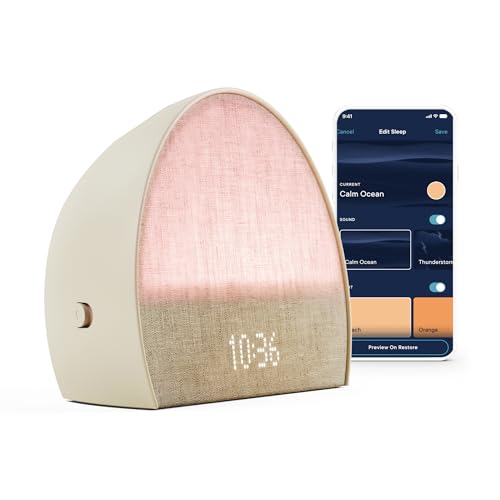
Hatch Restore 2 (Sunrise Alarm Clock) — Wakes you with light instead of a blaring alarm. Gentler cortisol response in the morning = better mood all day.
Full Spring Foundation Supplement Stack → — All five foundational supplements in one place.
💚 We carefully research and select every product mentioned based on quality, ingredients, and reviews—not commissions. Our mission is to simplify wellness for you.
📚 References (click to expand)
- National Sleep Foundation. Sleep Health Journal, 2015. (Recommended sleep duration guidelines)
- Carskadon MA, Dement WC. “Cumulative effects of sleep restriction.” Sleep, 1981. (Anchor sleep concept)
- Roenneberg T, et al. “Social jetlag and sleep debt.” Nature Scientific Reports, 2017. (Consistent schedules and sleep quality)
- Buman MP, et al. “Sleep pressure and nap duration.” Journal of Sleep Research. (Sleep inertia and ideal nap length)
- Abbasi B, et al. “The effect of magnesium supplementation on primary insomnia.” Journal of Research in Medical Sciences, 2012.
- Oura Research Blog. “What is Orthosomnia?” ouraring.com, 2023.
- Oura Research Blog. “Sleep staging algorithm.” ouraring.com, 2023.
- National Institutes of Health. Vitamin D and sleep regulation overview, 2022.
Save this article for later | Send it to a friend who needs it | Tag someone in your group chat 💚
Sleep More Stress Less
Improving your sleep starts with understanding your unique needs and embracing balance. By letting go of perfection, maintaining a consistent schedule, and viewing sleep stages as helpful information rather than rigid goals, you can create a healthier relationship with sleep. Prioritize rest as a time to recharge, and remember that even small adjustments can make a big difference. With these strategies, you’ll be well on your way to waking up feeling refreshed and ready to take on the day.

OURA
Tracks 30+ Biometrics * Water Resistant * HSA/FSA
OURA
Tracks 30+ Biometrics * Water Resistant * HSA/FSA

APPLE
Fitness & Sleep Tracker * Ovulation & Menstrual Cycle Estimates * Fall & Crash Detection

DAYSY
Fertility * Tracker * Non-Hormonal * Body Temp * Subscription Free
FITBIT
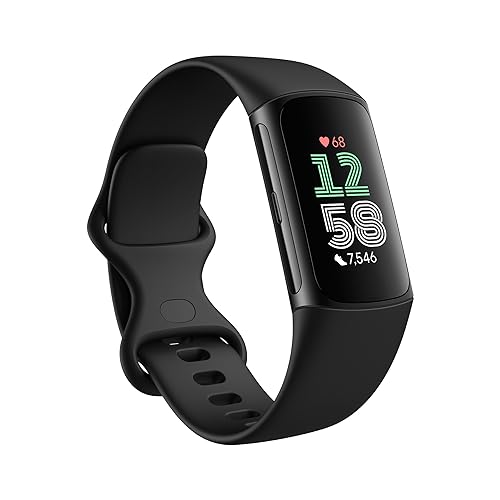
Fitness Tracker * 40+ Modes * Built-in GPS * Sleep Score * Smart Alerts
HATCH BABY
Sound Machine * Smart Light * White Noise * Unwind Gently

LOFTIE
Sound Machine * Smart Light * White Noise * Unwind Gently

LOFTIE
Sunrise Alarm * Wake-up Light * Red-light * Better Sleep * Circadian Rhythm