


Summary:
- Focus on the positive things you’re doing (getting enough sleep when you can)
- Try “anchor” sleep (the longest sleep in a 24-hour period) and naps
- Naps should be 20-30 minutes in the early afternoon.
- Find a consistent sleep schedule, adjust your schedule in 15-minute increments
- Quality > Quantity
Solutions/Shop:
- Oura Ring 4
- Oura Ring 3
- Alarm Clocks: Hatch & Loftie
How to Sleep Better
Rather than stressing over a not-so-great night of sleep, you should focus on the positive things they’re doing — e.g., getting enough sleep when you can, taking naps when needed, and maintaining a consistent sleep schedule.
By following the baseline habits of better sleep and practicing self-compassion, you can improve the overall quality of your sleep and feel more energized and alert during the day. Remember, sleep is designed to help you recover from life’s stresses, not to add to them.
Read more: What Are the 4 Stages of Sleep?
Books: The 8-Hour Sleep Paradox: How We Are Sleeping Our Way to Fatigue, Disease, and Unhappiness
1. Don’t stress over imperfect sleep.
Not everyone is able to sleep “perfectly” every night, and that’s okay. Our lives, bodies, and circumstances are all unique — and so are our sleep patterns.
Instead of focusing on strict guidelines for how much sleep you should get, it’s important to listen to your body and ensure you’re getting enough sleep to feel energized and alert during the day.
According to the National Sleep Foundation, 7 to 9 hours per night is the gold standard for most adults. However, you’ll know you’re getting the right amount of sleep if you wake up feeling energized and don’t feel sleepy during the day. The amount of sleep you need also decreases with age.
If you can’t get enough sleep in one go, try to accumulate it through one “anchor” sleep (the longest sleep in a 24-hour period) and naps. If you’re struggling to get enough sleep at night, taking a nap can help you recharge and feel more alert.
Sleep pressure is the natural biological drive to sleep which increases with every hour we are awake. It also reduces rapidly as soon as we sleep again, so even short naps will help. The sweet spot duration for a nap is about 20-30 minutes, which reduces the build-up of sleep pressure without causing sleep inertia, the grogginess that can come from waking up from deep sleep.
Try to take naps in the early afternoon; the closer naps get to evening time, the more they can interfere with your ability to fall asleep at night. If you are working night shifts and your anchor sleep occurs at a different time of day, try to separate it from your naps by several hours where possible. Other restful moments can also help you recharge; for example, a little daydreaming can work wonders even if you can’t doze off.
Our Ring Tip: When you nap for 15 minutes or longer, Oura will automatically detect it and provide sleep staging, heart rate, HRV, and other data from your nap. Assuming it’s not too late in the day, it can also boost that day’s Sleep Score and Readiness Score.
Try: Cool, Gel Pillows
Read more: How to Reduce Tossing and Turning at Night
Books: Supercharge Your Sleep…
2. Stay as consistent as possible.
Regardless of when and how much you sleep, your body will thank you if you can keep a somewhat consistent sleep schedule. Your body is hard-wired to routines, and research shows that having a consistent sleep schedule can help you get better quality sleep.
If you’re having trouble finding a consistent sleep schedule, start with baby steps. Adjust your schedule in 15-minute increments, and try to find a wake-up time that works for you on most days.
Every day (and night) of our lives obviously cannot be the same, and this means that there will be a little variation in our sleep routine. It’s totally okay to stay up a bit later for a fun get-together or get up super early to catch some powder snow.
Whether it’s socializing, traveling, illness, or a fun activity that’s messing with your sleep rhythm, it’s just a part of life. Whatever adventures you may go on, try to get back to your regular rhythm as soon as you can.
Sleep isn’t about perfection—it’s about balance. Listen to your body, stay consistent, and let rest recharge your life.
Read more: Why Sleep Matters
Books: Why We Sleep Unlocking the Power of Sleep and Dreams
3. Treat sleep stages as information, not goals.
The specific amount of time you spend in each sleep stage isn’t as important as the overall quality of your sleep. Instead of focusing on the exact number of minutes you spend in each stage, learn about the fluctuation between sleep stages and what the typical cycles look like for you.
While you sleep, your body cycles through the different sleep stages, usually spending the most time in light sleep (which is a restorative phase, too!). Generally, each cycle moves from wake to light, deep to REM sleep, and repeats. How much time you spend in REM or deep sleep varies widely by individual, but observe whether your body has enough time to go through four to five 90-minute cycles that sample different phases of sleep. Getting enough sleep with a regular rhythm will give you the best opportunity to spend enough time in each sleep stage naturally.
Read more: How to Improve the Quality of Your Sleep
Books: Unf*ck Your Body…
Sleep More Stress Less
Improving your sleep starts with understanding your unique needs and embracing balance. By letting go of perfection, maintaining a consistent schedule, and viewing sleep stages as helpful information rather than rigid goals, you can create a healthier relationship with sleep. Prioritize rest as a time to recharge, and remember that even small adjustments can make a big difference. With these strategies, you’ll be well on your way to waking up feeling refreshed and ready to take on the day.

OURA
Tracks 30+ Biometrics * Water Resistant * HSA/FSA
OURA
Tracks 30+ Biometrics * Water Resistant * HSA/FSA

APPLE
Fitness & Sleep Tracker * Ovulation & Menstrual Cycle Estimates * Fall & Crash Detection

DAYSY
Fertility * Tracker * Non-Hormonal * Body Temp * Subscription Free
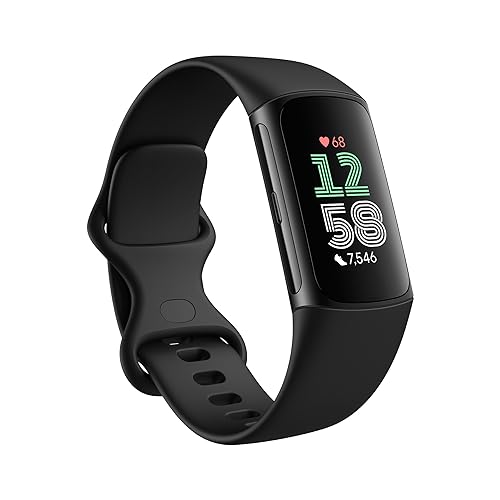
FITBIT
Fitness Tracker * 40+ Modes * Built-in GPS * Sleep Score * Smart Alerts
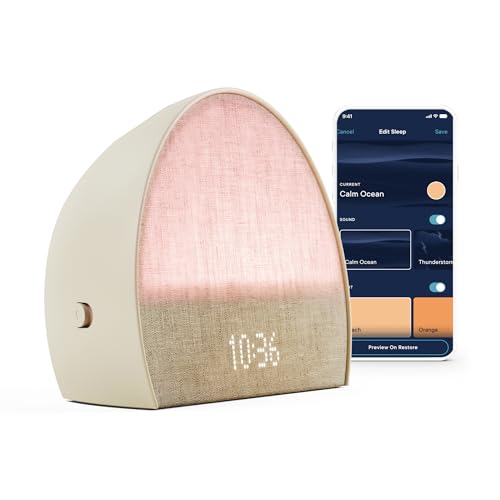
HATCH BABY
Sound Machine * Smart Light * White Noise * Unwind Gently

LOFTIE
Sound Machine * Smart Light * White Noise * Unwind Gently

LOFTIE
Sunrise Alarm * Wake-up Light * Red-light * Better Sleep * Circadian Rhythm