

Summary:
- Statistically, women have higher rates of mood disorders
- Depressive disorders: hopelessness, fatigue, difficulty concentrating, and loss of interest/pleasure
- Bipolar disorders: manic episodes, hypomania, depressive episodes, oscillating between extreme highs and lows
- Support overall wellness by emphasizing nutrition, hydration, gratitude, and supplements
Solutions/Shop:
What Are Mood Disorders?
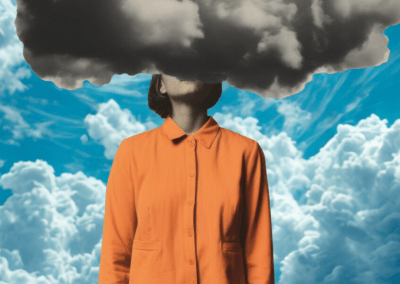
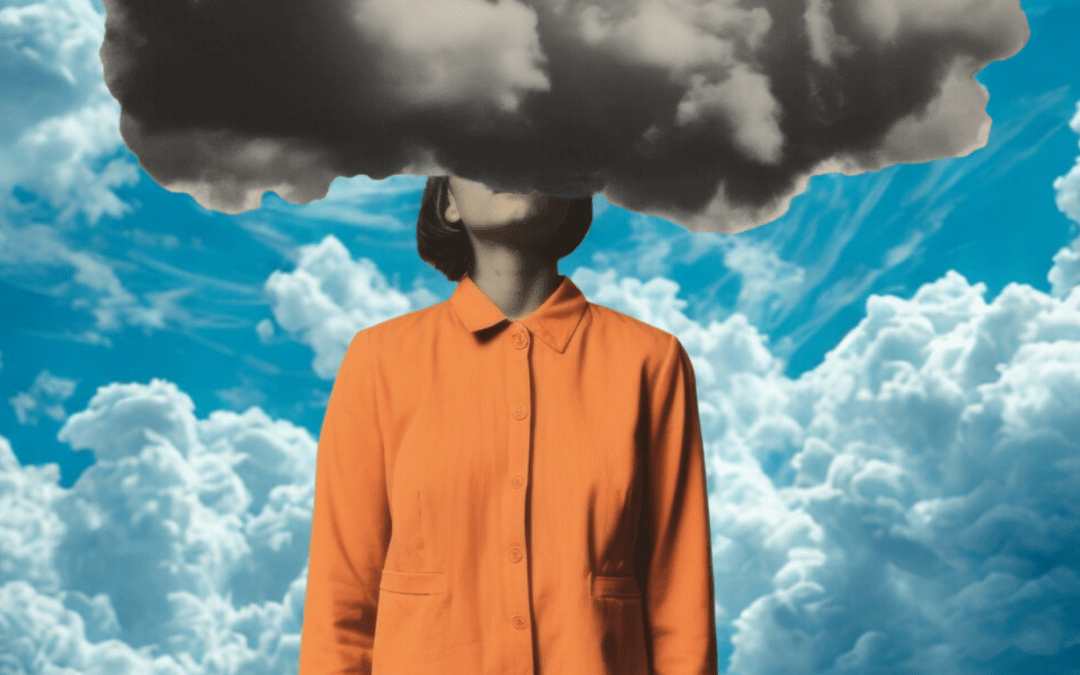
In the realm of emotional well-being, mood disorders such as depression and bipolar disorder exert a profound influence. For those navigating these challenges, understanding these disorders can help throughout the journey. What are mood disorders? They consist of depression, characterized by persistent sadness and anxiety, which contrasts sharply with the highs and lows of bipolar disorder, where the mood swings between euphoria and despondency.
Mood Disorders in Women
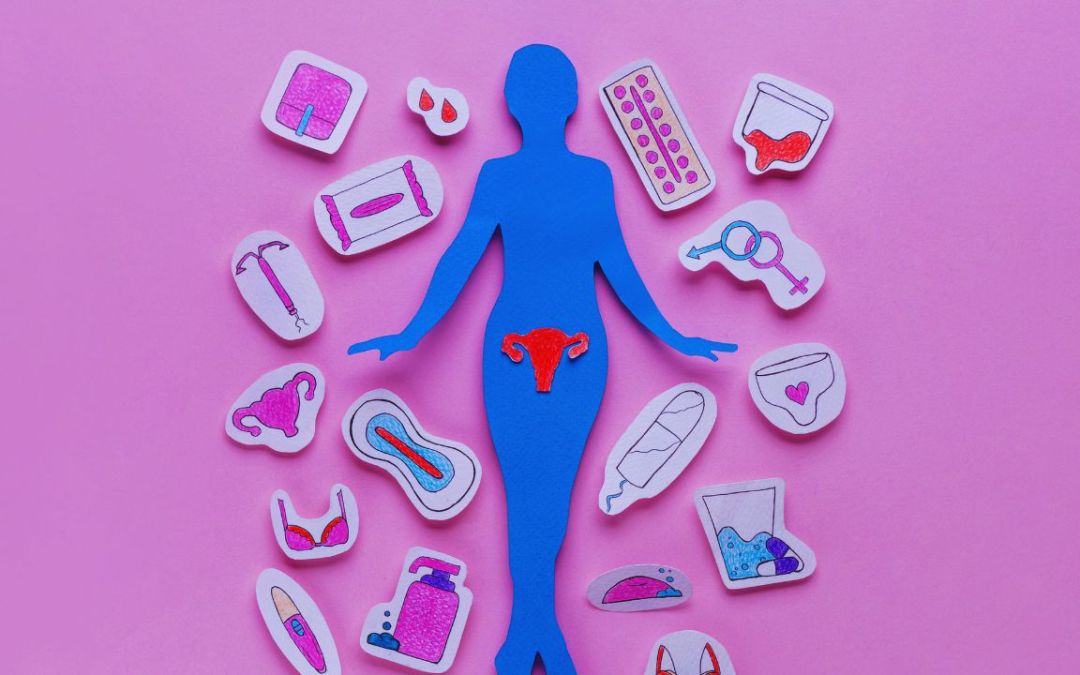
Women statistically bear the greater burden of these conditions. Yet, beyond statistics lie personal journeys intertwined with resilience and hope. Understanding what are mood disorders and their implications can be the first step in reclaiming emotional balance. Mood disorders not only impact emotional equilibrium but can also heighten the risk of more severe outcomes, especially when compounded by substance abuse.
Causes of Mood Disorders
Mood disorders originate from a blend of inherited traits, environmental influences, and life experiences. Childhood traumas and significant life stressors can shape emotional responses, alongside the potential impacts of certain medications and substance use, all contributing to a possible mood disorder diagnosis.
Books: The Body Keeps Score, The Loving Yourself Book for Women, What Happened to You? Conversations on Trauma, Resilience, and Healing
Neurological Conditions
The intersection of mood disorders with neurological conditions adds another layer of complexity. Depression frequently accompanies neurological disorders like multiple sclerosis, dementia, and epilepsy, as well as movement disorders such as Parkinson’s disease. This interconnectedness underscores the holistic approach required for comprehensive care.
Managing Mood Disorders with a Holistic Mental Health Approach
In embracing this understanding, we embark on a journey toward healing and resilience. It’s about recognizing the interplay of mind and body, forging connections that nurture well-being, and valuing the path toward emotional equilibrium.
The easiest way to navigate this path is through curated insights and compassionate care, empowering each individual to reclaim their narrative with clarity and confidence. From learning about emotional resilience and discovering tips for daily well-being, this journey is as much about how to be in harmony with oneself as it is about finding strategies for a balanced life.
Beyond statistics lie personal journeys intertwined with resilience and hope. Knowing what a mood disorder is and its implications can be the first step in reclaiming emotional balance, i’s about recognizing the interplay of mind and body.
Depressive Disorders
These disorders are characterized by a loss of pleasure in life. Feelings of hopelessness and worthlessness may arise along with changes in sleep, appetite, energy, and general lack of interest.
| Diagnosis | Main Symptom(s) |
| Major Depression Disorder | Symptoms of depression lasting two weeks or longer |
| Seasonal Affective Disorder | Symptoms of depression that occur in line with certain seasonal changes |
| Persistent Depressive Disorder | Long-term depression (months to years) |
| Disruptive Mood Dysregulation Disorder | Occurs in children and teens, marked by outbursts and temper that are atypical for the stage of development |
| Premenstrual Dysphoric Disorder | Depressive symptoms that occur within 10 days of the menstrual cycle and fade when the cycle starts |
| Related to medical conditions | Physical effects of a health condition that causes depression |
| Related to substances/medicines | Symptoms that start while using a drug/medicine or that occur due to withdrawal |
Bipolar Disorders
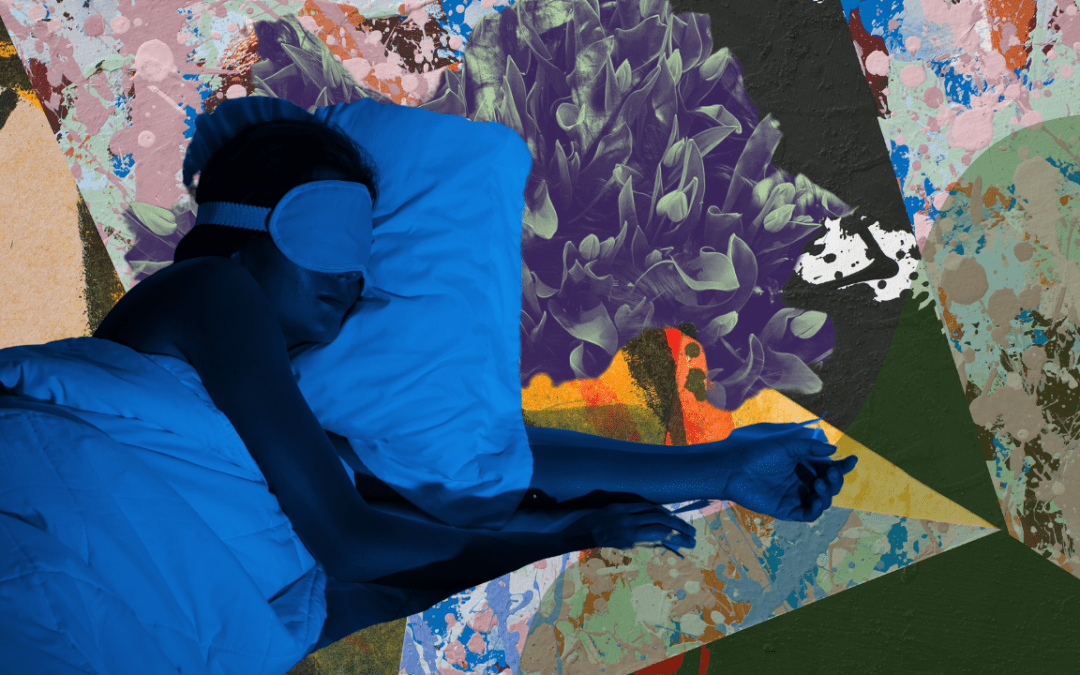
These disorders are marked by emotional extremes known as manic episodes and lows such as depressive episodes. Moods can range between the two, return to a typical state, or both can occur at once.
Manic episodes are more than just periods of increased energy. It is an episode of extreme grandiosity, flights of ideas, no need for sleep, overly goal-directed, and involvement in behaviors that pose an extreme risk with no assessment of the possible outcome, here is an example of ‘Sally’s’ manic episodes.
Sally was having a manic episode and realized she could make her car fly if she drove it off a bridge. She had no doubts this would work and knew she would not be harmed whatsoever. This is a bit of the reality for people who have manic disorders, emphasizing the importance of recognizing symptoms and offering support to those in your life who may be experiencing this challenge.
| Diagnosis | Symptom(s) |
| Bipolar I Disorder | Marked by a manic episode that lasts about a week at a time, extreme & risky behavior |
| Bipolar II Disorder | Symptoms of Hypomania (low-grade mania) present without extreme risk |
| Cyclothymia | Ranges of emotional highs and lows that are not as extreme as Bipolar Disorder |
| Related to medical conditions | Disorders like M.S, a stroke, or a TBI can cause Bipolar disorders |
| Related to substances/medicines | Symptoms from using alcohol or drugs can manifest as bipolar disorder |
Seek Support
These disorders may be easier to treat when they are caught early on. If your mood and life are being affected by symptoms similar to the ones discussed in this article, it may be a good idea to talk to a physician or mental health professional. Managing mood disorders effectively requires a focus on holistic mental health, supporting both physical and mental well-being can make an impact on your life and could help you avoid the risks of these disorders.
Here are some ways you can support your overall mental and physical well-being:
- Fitness (especially dance)
- Nutrition
- Sunlight or other light therapies (red light)
- Hydration
- Test your blood for vitamin or micronutrient deficiencies
- Take Omega 3’s
- Take a Lions Mane Supplement
- Practice gratitude
Try: Red Infrared Light Mat, Omega-3’s, Lion’s Mane, 5-Minute Journal, Electrolytes
Read more here: How Dance Impacts Mood..., What is Light Therapy?…, Nutrient Levels, Blood Tests, Depression and Anxiety
Suicide Risk and Support
Navigating such complexities demands more than just resilience—it necessitates reaching out for support when needed most. If you find yourself grappling with thoughts of suicide, know that help is readily available. In the U.S., simply dialing or texting 988 connects you to the 988 Suicide & Crisis Lifeline, a vital resource offering round-the-clock assistance in both English and Spanish.

AZURE BIOGENICS
Heart * Vision * Immunity * Skincare * Gut * Mood

HOST DEFENSE
Cognition * Memory * Focus * Calmness * Focus

PURE ENCAPSULATIONS
Mood * Stress * Emotional Support * Cognition* Resilience Boost

BODYHEALTH
Hydration * Muscles * Energy * Nutrient Balance

MEGELIN
Full Body Relief * Relaxation * Calmness * Skin Rejuvenation

INTELLIGENT CHANGE
Daily * Gratitude * Happiness * Mindfulness * Reflection



This article provides general information and discussions about health and related subjects. The information and other content provided in this blog, or in any linked materials, are not intended and should not be construed as medical advice, nor is the information a substitute for professional medical expertise or treatment.