
Purchase Here →
By:
A New York Times Bestseller
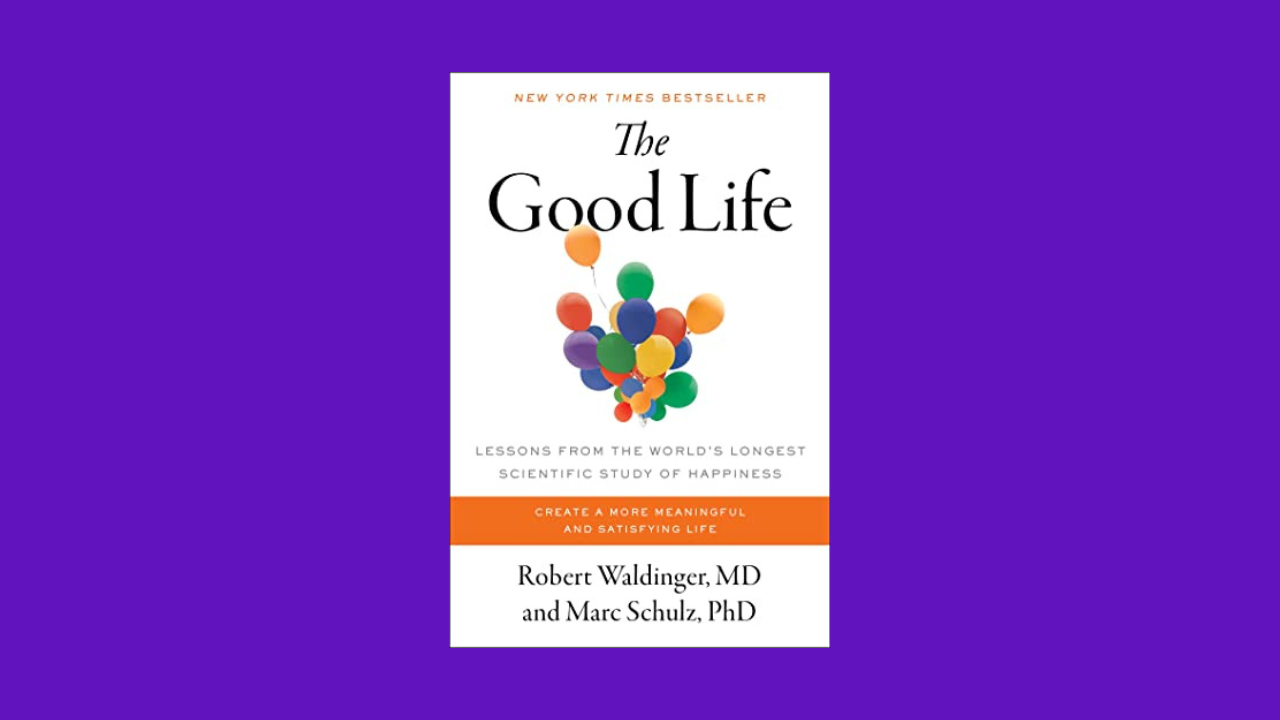
What makes for a happy life, a fulfilling life? A good life? In their “captivating” (The Wall Street Journal) book, the directors of the Harvard Study of Adult Development, the longest scientific study of happiness ever conducted, show that the answer to these questions may be closer than you realize.
What makes a life fulfilling and meaningful? The simple but surprising answer is: relationships. The stronger our relationships, the more likely we are to live happy, satisfying, and healthier lives. In fact, the Harvard Study of Adult Development reveals that the strength of our connections with others can predict the health of both our bodies and our brains as we go through life.
The invaluable insights in this book emerge from the revealing personal stories of hundreds of participants in the Harvard Study as they were followed year after year for their entire adult lives, and this wisdom was bolstered by research findings from many other studies. Relationships in all their forms—friendships, romantic partnerships, families, coworkers, tennis partners, book club members, Bible study groups—all contribute to a happier, healthier life. And as The Good Life shows us, it’s never too late to strengthen the relationships you already have, and never too late to build new ones. The Good Life provides examples of how to do this.
Dr. Waldinger’s TED Talk about the Harvard Study, “What Makes a Good Life,” has been viewed more than 42 million times and is one of the ten most-watched TED talks ever. The Good Life has been praised by bestselling authors Jay Shetty “an empowering quest towards our greatest need: meaningful human connection”), Angela Duckworth (“In a crowded field of life advice…Schulz and Waldinger stand apart”), and happiness expert Laurie Santos (“Waldinger and Schulz are world experts on the counterintuitive things that make life meaningful”).
With “insightful [and] interesting” (Daniel Gilbert, New York Times bestselling author of Stumbling on Happiness) life stories, The Good Life shows us how we can make our lives happier and more meaningful through our connections to others.