

Summary:
- Minimize toxins
- See a chiropractor
- Engage in mindfulness/meditation
- Spend time outdoors
- Discuss sports safety
Solutions/Shop:
How to Reduce Teen Stress
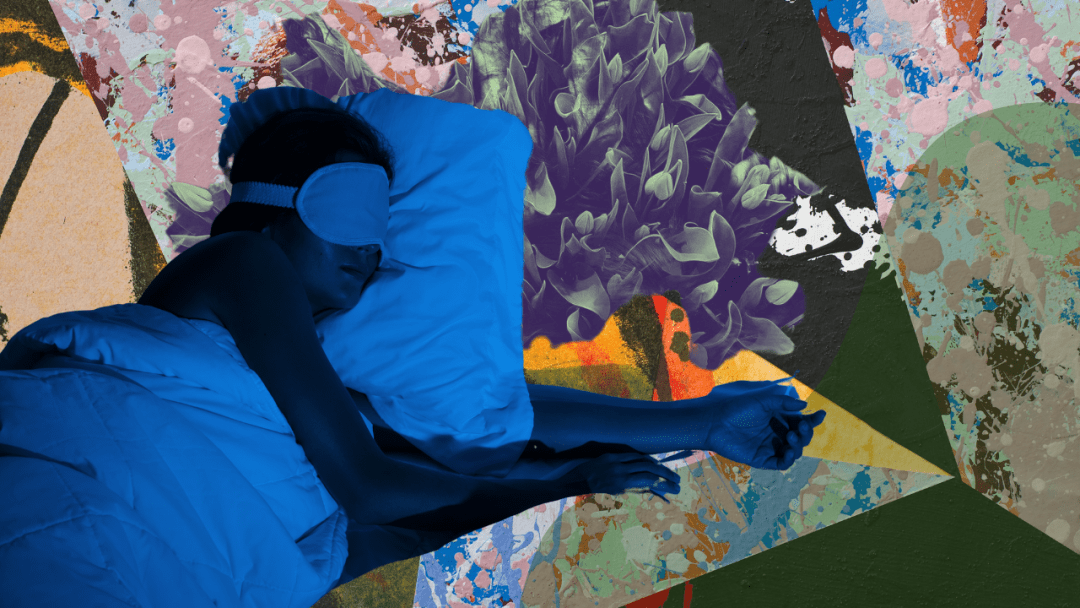
As teens head back to school, it’s time to talk about the “3 T’s”: trauma, toxins, and thoughts. These stressors—whether physical bumps, environmental toxins, or mental strain—can throw the body off balance, affecting both mental and physical health. Parents, don’t panic; instead, think strategy.
Here’s how to be proactive: Support your teens with regular chiropractic care to help their bodies realign and recover, address environmental toxins by making healthy choices, and guide them through emotional stress with mindfulness and strong social connections. Remember to get physicals, and seek out mental health services when needed. What is the goal? Helping teens thrive amidst life’s chaos.
How to Reduce the Impact of Physical Trauma
How to increase your teen’s resilience? Regular chiropractic adjustments can ease pain, headaches, and behavioral changes by improving alignment and reducing physical stress. As teens grow and engage in activities, their bodies endure stress—whether it’s sports injuries or heavy backpacks. The easiest way to prevent strain is by keeping backpacks light and ensuring safe sports practices.
Pro Tips:
- Invest in ergonomic backpacks and desks.
- Encourage stretching and movement to counteract the physical stress of sedentary study sessions.
- Make sports safety a family conversation to reduce injuries.
Try: Ergonomic Desks, Criss-Cross Chair, Walking Pad, Massage Gun
Read more: Standing Desks: A Simple Shift to Increase Productivity…
Teen stress is inevitable, but with the right tools, it’s manageable. By addressing physical trauma with chiropractic care and movement, minimizing toxins through clean products and filtered water, and fostering emotional resilience with mindfulness, gratitude, and strong social connections, you can help your teen thrive. Empower them to face life’s chaos with strength and confidence.
Minimizing Toxins
While you can’t control the school’s air quality or janitorial supplies, you can be smart about reducing toxin exposure where you can. Toxins can disrupt hormone balance, affect mental clarity, and trigger immune issues. What is the best approach? Look for clean, organic products, filter your home’s air and water, and invest in toxin-free personal care items for your teen. The easiest way to tackle these issues is by introducing simple daily changes.
Pro Tips:
- Prioritize organic food to reduce pesticide exposure.
- Provide filtered water in reusable bottles.
- Introduce air-purifying plants into both your home and the classroom.
Try: BPA-Free Storage Containers, Toxin-Free Nonstick Pans, Air/Surface Purifier, BPA-Free Water Bottle
Read more: Tips from The 7 Habits of Highly Effective Teens…
Books: This Is So Awkward: Modern Puberty Explained
Managing Stressful Thoughts and Emotional Stress
Stress sneaks up on teens. Want to know how to increase their mental well-being? Thought patterns—whether conscious or subconscious—can lead to anxiety, low self-esteem, or even depression. Teaching emotional intelligence, mindfulness, and genuine self-care are critical steps to addressing mental stress.
Pro Tips:
- Try mindfulness and gratitude journaling to help teens stay present.
- Encourage outdoor time (nature walks can do wonders).
- Foster healthy friendships and support systems, teaching teens to recognize red flags in their relationships.
Try: Wreck This Journal, Planner, Lined Journal, 5-Minute Journal, Good Inside Workbook
Read more: How to Keep Your Kids Healthy During Puberty
Books: Good Inside: A Guide to Becoming the Parent You Want to Be, Nourished: Connection, Food, and Caring for Our Kids…
Encourage Teen Resilience
By addressing the 3 T’s—trauma, toxins, and thoughts—you can help your teenager develop resilience and thrive, both in school and beyond. It’s not about eliminating stress but teaching your teen how to be strong and resilient, even when faced with life’s daily stressors.

MAXI HEALTH
Hers Vitamins * Teen Girls * Energy * Immunity * Metabolism

ANECDOTE
Thick * 100 GSM * A5 * Daily Writing * Travel *School * Office

INTELLIGENT CHANGE
Daily * Gratitude * Happiness * Mindfulness * Reflection

KERI SMITH (Author)
Coloring & Painting Edition * Creative Prompts * Full Color
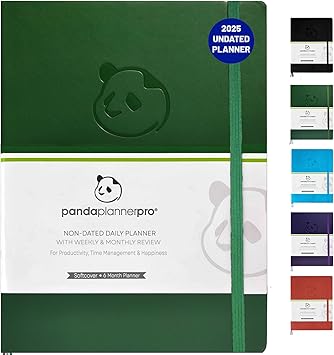
PANDA PLANNER
Daily Planner * Happiness * Productivity
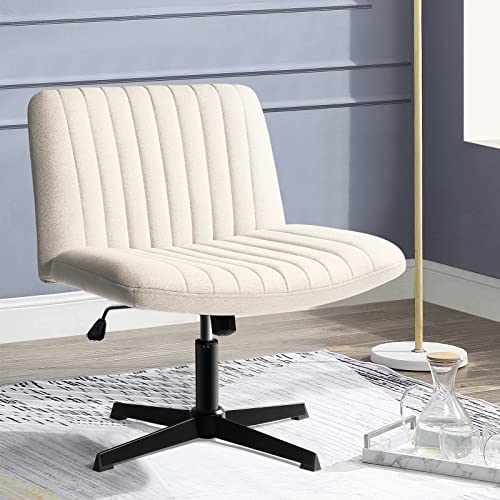
PUKAMI
Adjustable Height * Different Color * Modern Swivel * Fabric

SLEEKFORM
Ergonomic * Posture * Pressure Relief * Home

SPERAX
2.5HP Silent Motor * Easy to Move * Non-Slip Belt * 3 Modes

RADLOVE
Electric * Adjustable * Sit & Stand * Anticollision

PURACLENZ
Dust * Pollen * Pet Dander * Smoke * Allergens * Mold * Viruses * Bacteria
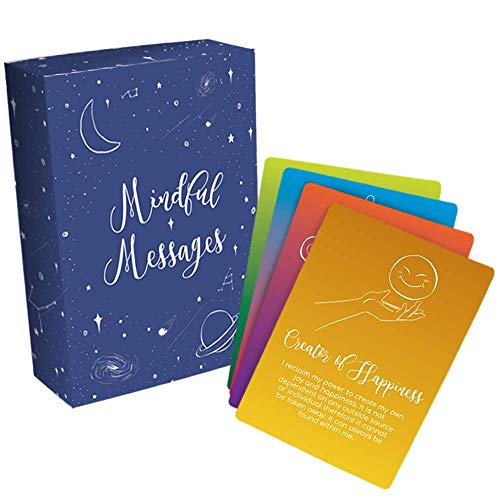
MINDFUL MESSAGES
52 Mindfulness Cards * Motivational Messages * Stress * Relaxation

THERAGUN
6-in-1* Deep Tissue * Adjustable Speeds* Multiple Attachments

OWALA
Insulated * Stainless Steel * BPA-Free * Lid-Lock
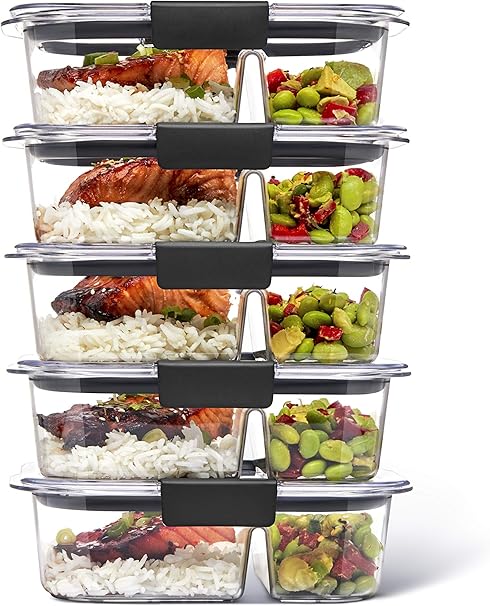
RUBBERMAID
Stain-Resistant * Leakproof * 2 Compartments * Easy Microwaving

CARAWAY
12 Piece, * Non-Toxic * Oven Safe * All Stovetops Compatible




COSMIC PUBLICATIONS (Author)
A Guide to Becoming the Parent You Want to Be

References:
- Effectiveness of Chiropractic Manipulation Versus Sham Manipulation for Recurrent Headaches in Children Aged 7-14 Years – A Randomized Clinical Trial | Chiropractic and Manual Therapies
- Resolution of Failure to Thrive in an Infant Following Chiropractic Care to Reduce Vertebral Subluxation: A Case Report and Review of Literature | Journal of Pediatric, Maternal & Family Health Chiropractic Volume 2021
- School Children’s Backpacks, Back Pain and Back Pathologies | PubMed (nih.gov)
Interaction with Indoor Plants May Reduce Psychological and Physiological Stress by Suppressing Autonomic Nervous System Activity in Young Adults: A Randomized Crossover - Study | Journal of Physiology and Anthropology | PubMed (nih.gov).
- Stress in Teenagers | Mass General Brigham | Newsroom | Mental and Behavioral Health | (massgeneralbrigham.org).
- Shinrin-Yoku 森林浴 (Forest Bathing): A Scoping Review of the Global Research on the Effects of Spending Time in Nature | Global Advances in Integrated Medicine and Health | PubMed (nih.gov).
This article provides general information and discussions about health and related subjects. The information and other content provided in this blog, or in any linked materials, are not intended and should not be construed as medical advice, nor is the information a substitute for professional medical expertise or treatment.