

Summary:
- Choose whole foods with B, V, & D vitamins, Iron, & Omega-3
- Our bodies need about 30-40 micronutrients to function
- Some micronutrients we don’t get enough of in our modern-day diet
- Deficiencies can present like depressive/anxious symptoms
- Supplements can restore balance to deficiencies
Solutions/Shop:
- Energy: B6 Complex
- Azure Biogenics: D3&K2, B12, Omega 3
- Mood: Vitamin D3 & Iron
- The Food Mood Connection (book)
- Eat & Flourish: How Food Supports Emotional Well-Being (book)
Micronutrients and Mental Health: The Mind-Body Connection
Are you feeling perpetually anxious or grappling with the weight of depression? You’re not alone. As much as one-third of U.S. adults face an anxiety disorder, and about 10 percent of the population deals with depression. Research shows that micronutrient deficiencies have an impact on brain and nervous system functions, which can lead to symptoms of Depression and Anxiety.
Discuss the possibility of how micronutrients and mental health are connected with your doctor. Learning about what your micronutrient blood levels are is a great start in discovering how to manage your symptoms and take control of your wellness.
Read more here: The Gut-Brain Connection
Micronutrients and Mental Health: Why They Matter
In today’s fast-paced world, the prevalence of micronutrient deficiencies is alarmingly widespread, even in well-developed countries like the United States. Imagine this: our bodies need around 30 to 40 essential vitamins, minerals, fatty acids, and amino acids to function optimally. These micronutrients are crucial pillars of our well-being, playing vital roles from fueling our metabolism to empowering our enzymes.
These enzymes, the unsung heroes within our cells, are responsible for everything from heart function to immune resilience and neurotransmitter activity—essentially, all the remarkable feats our bodies perform daily.
Read more: Cognitive Behavioral Therapy (CBT): Powerful Coping Strategies for Depression
Embracing a food-first philosophy, sourcing these nutrients from a vibrant array of whole foods is undeniably the gold standard. It’s about curating a diverse, nutrient-rich diet that aligns with our body’s needs. However, life’s complexities often mean this ideal isn’t always achievable. Busy schedules, ingrained habits, and various health dynamics can create barriers, leading to micronutrient deficiencies that may contribute to mental health challenges.
In such cases, integrating some key supplements for depression and anxiety through thoughtfully chosen sources can be a valuable shortcut. This isn’t about substituting, but rather complementing our efforts toward holistic health, ensuring our bodies receive the essential nourishment they deserve, even when life gets in the way.
Read more: Childhood Depression: Signs, Effective Communication, & Diet
In today’s fast-paced world, the prevalence of micronutrient deficiencies is alarmingly widespread and research shows that micronutrient deficiencies can lead to symptoms of Depression and Anxiety. The solution? Check your micronutrient levels and supplement more of what you need while keeping a nutrient, whole-foods-based diet.
Essential Micronutrients for Mental Health
B Vitamins: The Brain’s Best Friends
B vitamins are essential for transforming food into energy and synthesizing neurochemicals like serotonin and dopamine, which are crucial for mood regulation. Higher levels of vitamin B12 are associated with better recovery from major depression.
How to Increase B Vitamins: Integrate more leafy greens, seeds, legumes, and whole grains into your diet. For B12, look to seafood, poultry, eggs, and dairy products. If your diet or
Read more here: How Do B Vitamins Boost the Microbiome?
Try: B12, B7, Folate, B6 Complex, B Complex
Vitamin D: The Sunshine Vitamin for Better Mood
Vitamin D has been shown to play a critical role in mood regulation, thanks to its presence in brain regions that influence mood and its ability to modulate inflammation. Low vitamin D levels can be associated with depressive and anxious symptoms, making it an essential component in supplements for depression and anxiety.
The Easiest Way to Maintain Vitamin D Levels: Sensible sun exposure is key, but if you’re protecting your skin or live in a less sunny area, turn to food sources like salmon, tuna, sardines, beef liver, eggs, and fortified products.
Try: Vitamin D, Vitamin D3 and K2
Iron: The Essential Mineral
Iron is essential for producing neurotransmitters that affect mood. However, both too little and too much iron can impact mental health in various ways.
How to Maintain Balanced Iron Levels: Incorporate iron-rich foods like red meat, poultry, seafood, eggs, beans, lentils, and leafy greens into your diet. For those who might need a boost, such as athletes or pregnant women, iron supplements can be beneficial.
Try: Iron, Iron Bisglycinate
Omega-3 Fatty Acids: Fats for Brain Health
Omega-3s are vital for brain function, influencing everything from mood to cognitive function. Studies show that lower levels of omega-3s are linked to higher rates of depression and anxiety.
Tips for Increasing Omega-3 Intake: Add fatty fish, flaxseeds, chia seeds, and walnuts to your diet.
Try: Omega 3
Takeaways
Taking charge of your micronutrient levels is a holistic way to enhance your mental health. By understanding how these essential micronutrients impact your body and brain, you can take proactive steps toward feeling your best. It’s all about tuning into your body’s needs and making mindful choices to support your well-being. Addressing micronutrient deficiencies and incorporating supplements for depression and anxiety can be a key part of your journey to optimal mental health.
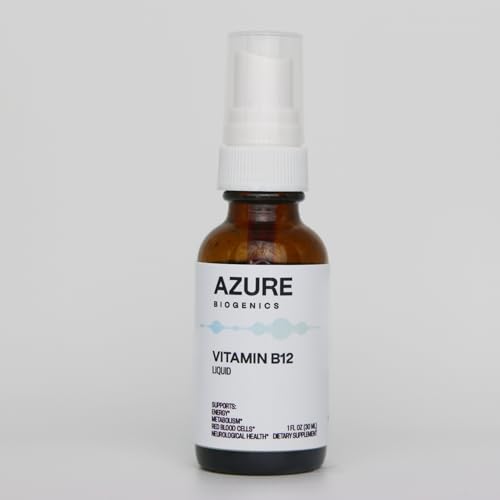
AZURE BIOGENICS
Energy * Nerves * Mood * Cognition * 500 mcg

AZURE BIOGENICS
Heart * Vision * Immunity * Skincare * Gut * Mood
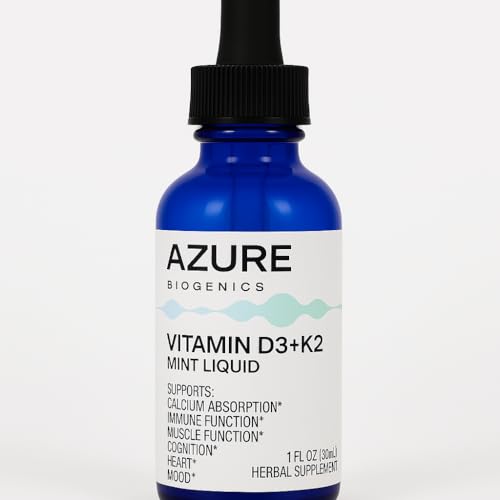
AZURE BIOGENICS
Bones * Immunity * Heart * Circulation

PURE ENCAPSULATIONS
Nervous System * Brain * B Vitamins * Non-GMO
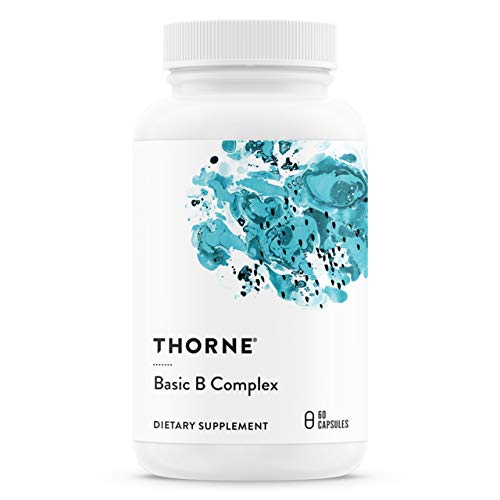
THORNE
Tissue-Ready * Choline * Energy * Brain * Red Blood Cell

PURE ENCAPSULATIONS
Bones * Joints * Heart * Colon * Immunity

PURE ENCAPSULATIONS
Energy * Immunity * Antioxidant * Red Blood Cell Production
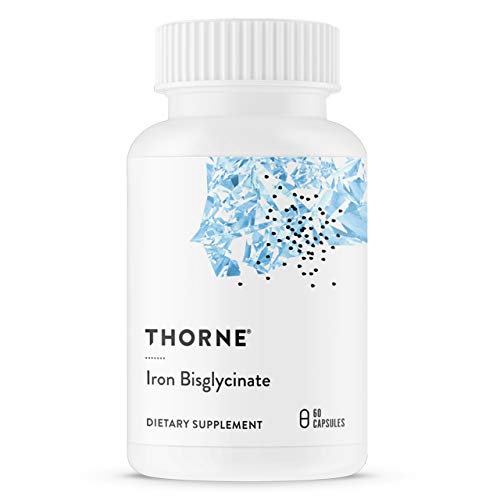
THORNE
RBC Support * Energy Boost * Iron Absorption * Fatigue Reduction

PURE ENCAPSULATIONS
G.I. Tract * Nervous System * Fetal Development * Cellular Support

THORNE
Hair * Nails * Skin * 60 Capsules * Gluten Free


This article provides general information and discussions about health and related subjects. The information and other content provided in this blog, or in any linked materials, are not intended and should not be construed as medical advice, nor is the information a substitute for professional medical expertise or treatment.