

Summary:
- Keep your bedroom cool, dark, and quiet
- Avoid screens, and consider earplugs or blackout curtains
- Avoid heavy, spicy foods, caffeine, and alcohol before bedtime
- Journal thoughts or practice meditation before sleeping
- Manage sleep disturbances from partners or pets
Solutions/Shop:
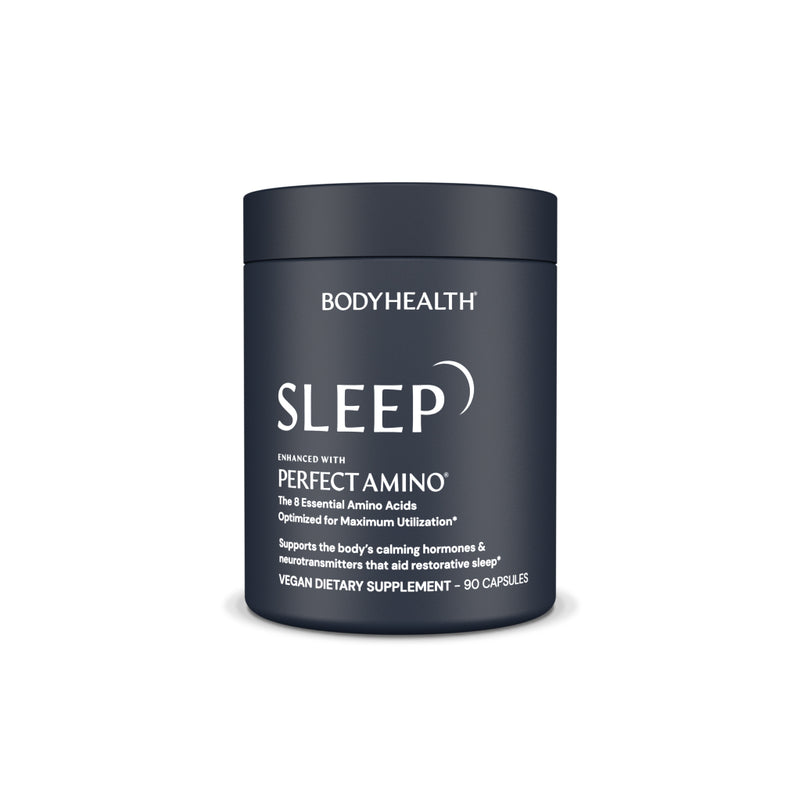
- Sleep Supplement Blends: BodyHealth
- Magnesium Glycinate: Supplement and Topical Spray
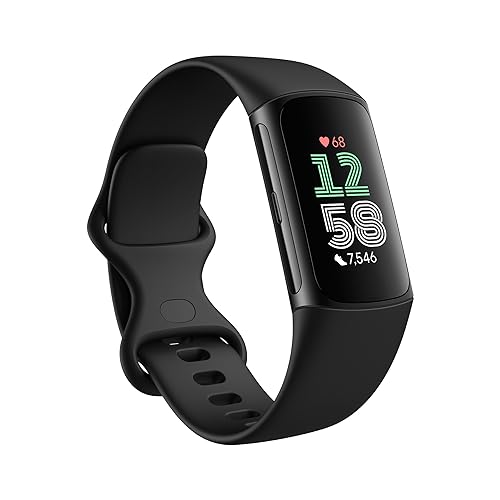
- Sleep Tracking: Oura Ring, Apple Watch and FitBit
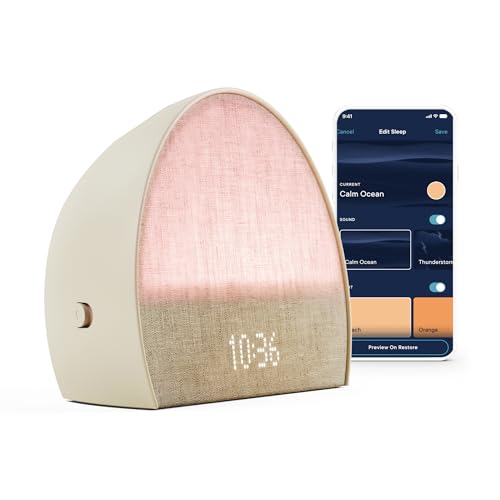
- Alarm Clocks: Loftie and Hatch
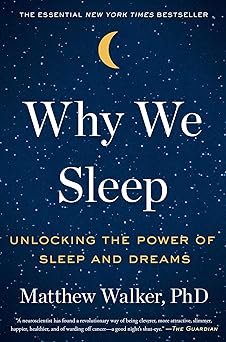
- Books: Why We Sleep and SuperCharge Your Sleep
- Sleep Accessories: Mattress, Sheets, Comforter, Ear plugs, Eye Mask, Blackout Curtains and Pillows
Why Am I Tossing and Turning?
You’ve probably spent the occasional night tossing and turning in bed — trying to calm your racing mind, flipping your pillow to the elusive “cool side,” and generally struggling to stay asleep. If so, you know how uncomfortable, and tiring, a restless night of sleep can be.
First, the good news: The occasional night of restless sleep is normal, and probably nothing to worry about, says Raj Dasgupta, M.D., FAASM, a sleep medicine specialist in California and a spokesperson for the American Academy of Sleep Medicine. Your tossing and turning could be caused by something you ate, the temperature of the room, or another external factor.
The downside? Restlessness can affect how restorative your sleep is, which can impact your mood, productivity, readiness, and overall health. Plus, consistent restless sleep can lead to sleep debt — where you fall behind on sleep little by little, which can add up to chronic sleep deprivation. “And sleep deprivation affects every single organ in the body,” Dasgupta notes.
Here’s how to know how much you’re tossing and turning, what could be causing it, and some tips to sleep more soundly.
Read more here: Why Sleep Matters?, What Are the 4 Stages of Sleep?
How to Detect Restless Sleep
Since restless sleep is not a defined sleep disorder, what it means is really “in the eye of the beholder,” according to the Sleep Foundation. In general, restless sleep often involves tossing and turning, trying to feel settled, feeling like your mind is racing, or feeling like you’re only half-asleep. You can also observe restless sleep in others if they’re often snoring, moving their limbs, talking or yelling while asleep, or grinding their teeth.
For more detailed insights, you can assess your overnight movement patterns with a polysomnography (PSG) test in a sleep lab, or by using a wearable device such as an Oura Ring.
In the Oura App, members can check their overnight movements in the “Movement” graph by tapping the arrow just below the sleep stages chart to expand or hide this view. This graph displays five-minute time blocks as lines, which represent the intensity of your movement based on height and color — from low-intensity movement to high-intensity movement – suggesting when you were likely awake.
Read more here: How to Improve the Quality of Your Sleep
How Much Restless Sleep Is Normal?
Rest assured: “Some movement is okay, and some nighttime arousals are okay,” says Mark Burhenne, D.D.S., author of The 8-Hour Sleep Paradox. If you feel refreshed in the morning and energetic during the day, there’s most likely nothing to worry about, even if you move around at night.
Signs that your nighttime movement is excessive and could signify an underlying issue include:
- You consistently don’t refreshed when you wake up
- You feel tired during the day
- Your partner is bothered by your tossing and turning
- You get up to go to the bathroom frequently throughout the night, which could also be a sign of sleep apnea
Finally, if you’re an Oura member, you may notice that excess restlessness can impact elements of your Sleep Score, which you can see via three contributors: higher Awake Time, a lower Efficiency, or frequent enough wake-ups and movement to impact your Restfulness.
Books: Supercharge Your Sleep…, Why We Sleep, Unf*ck Your Body
Tossing and turning at night? Restless sleep impacts your mood, productivity, and health. By optimizing your sleep environment, addressing diet and stress, and understanding your sleep patterns, you can reclaim restful nights and wake up ready to take on the day.
The Difference Between Restless Sleep and Insomnia
While restless sleep doesn’t have a clinical definition, insomnia does: Chronic insomnia involves having trouble falling asleep and/or staying asleep that doesn’t have another disorder as an identifiable cause. To be diagnosed as chronic, the National Institute of Health says insomnia needs to occur at least three nights per week for three months or more.
Restless sleep, on the other hand, is more occasional and can often be traced back to one of the causes outlined below.
Causes of Restless Sleep & How to Address Them
1. Your Sleep Environment
For many, the main culprit of tossing and turning stems from poor sleep hygiene — which means your pre-bedtime habits and your sleeping environment, Dasgupta says. The most important factors that impact your sleep hygiene include light, noise, and temperature.
And it’s not just noises inside your house or outside your window: Research confirms that even far-away sounds like an airplane can also increase tossing and turning; in multiple studies, living near an airport was associated with disturbed sleep.
Your bedding might also be affecting how well you sleep, Burhenne notes, as materials like memory foam might be keeping your body temperature warmer than it should be for optimal sleep.
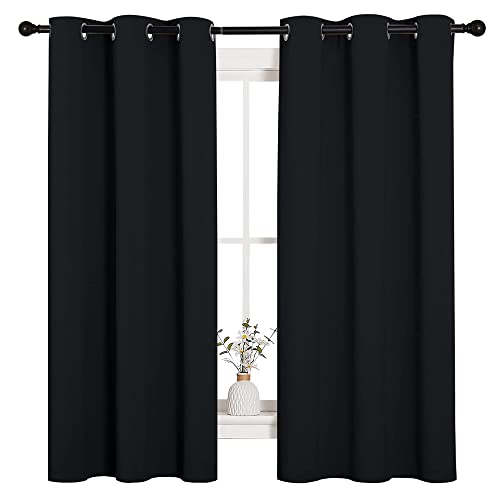
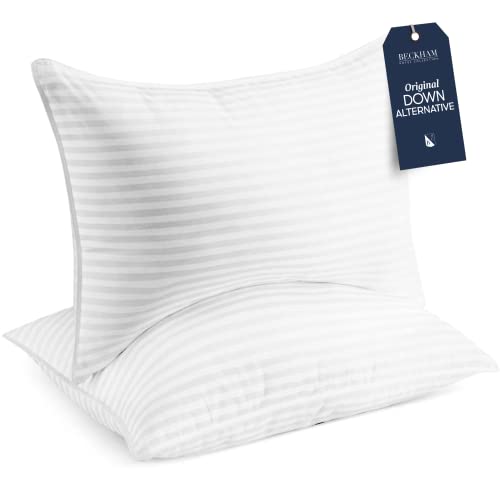
Sleep solution: Keep your bedroom as cool, dark, and quiet as possible to ensure restful sleep, Dasgupta suggests. Make an effort to avoid looking at electronic screens late at night, as blue light from screens can inhibit the release of the sleep hormone, melatonin. ear plugs, an eye mask, or blackout curtains can all be helpful tools to optimize your sleep environment, and you can also look into upgrading your bedding materials, including your mattress, sheets, comforter and pillows.
Try: Melatonin, Ear Plugs, Eye Mask, Blackout Curtains, Mattress, Sheets, Comforter, Pillows
2. Cycling Between Sleep Stages
One reason is that you may be changing from one of the four stages of sleep to another, such as after a REM cycle. During REM, your body is essentially frozen — that’s why you don’t act out your dreams, Burhenne says: “But when you come out of REM, your muscles come back online, which can cause you to move and turn around.”
Sleep solution: While there’s nothing you can specifically do to stop the effects of coming out of a REM cycle, try following these science-backed tips to get deeper, more sound sleep in your REM stages.
3. Your Diet
What you eat and when you eat can impact how you sleep, Dasgupta says. If you’re prone to heartburn or you’re lactose intolerant, eating these foods can cause discomfort at bedtime, interrupting your sleep. Late-night meals and snacks can affect the time it takes for you to fall asleep, your sleep efficiency, and even your REM and deep sleep stages.
Sleep solution: Watch out for spicy, heavy, or other meals you know affect your digestion before bed. Limit your intake of caffeine or alcohol a few hours before sleep, Dasgupta suggests abstaining from eating for two hours before going to bed.
Try: Magnesium Glycinate
4. A Restless Sleep Partner
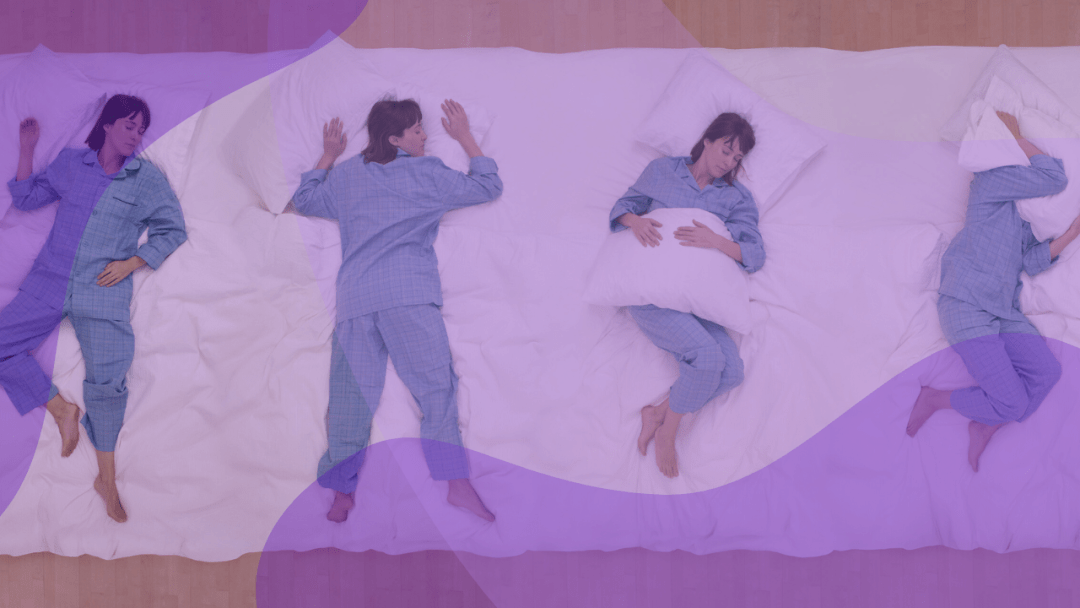
If your partner (or pet!) sleeps restlessly, moves around, and/or snores, it may impact how restfully you sleep too, Burhenne says.
Sleep solution: Be it your partner or your pet, you all deserve peaceful nights. Try multiple sleeping arrangements until you find an optimal solution for everyone in the family. You and your partner could experiment with separate blankets to avoid being awoken by an unconscious fight for the comforter.
If it’s an overactive dog or cat that keeps you restless, make your space your space; give your cute companion their own comfortable sleep space outside the bedroom, and keep your door closed until morning.
5. Too Much on Your Mind
Stress from work, school, or relationships? Mental distress may be engaging your fight-or-flight system before bed, which can impact your ability to sleep soundly. Strong emotions can activate our systems to stay alert, while a clear mind can help us wind down before bed.
Sleep solution: Try writing your thoughts or to-do lists in a journal before bed to get them out of your head and onto paper for the next day. Oura members can also check out Explore content, and try a breathwork exercise or meditation — both of which are proven ways to reduce sleep disturbances.
Restless Sleep Over Your Lifetime
Children and Teens
While “restless sleep” doesn’t have a medical definition for adults, for children under 18 “restless sleep disorder” (or RSD) is defined by five or more movements per hour of sleep that aren’t caused by another medical problem or substance that may cause potential sleep disturbances.
These nightly movements have to happen for three or more months for the disorder to be diagnosed; however, only about 8% of children who undergo a sleep study will be found to have RSD. The cause of RSD is unknown, but one theory is that kids with these sleep problems are deficient in iron.
Other disorders that may cause restless sleep in kids include ear infections, asthma, pain, teeth grinding, and ADHD.
Older Adults
As many as 50% of seniors complain of sleep problems, more than double the rates of younger adults.
Sometimes, medications cause restlessness or more frequent urination as a side effect. Older adults also have a higher prevalence of restless leg syndrome and disordered breathing. Melatonin levels drop as we age, which may make it harder to sleep. And studies show that it’s also just part of aging: Older adults sleep lighter and with more breaks.

AZURE BIOGENICS
Muscle * Nervous System * Bones * Energy * Mood

SEVEN MINERALS
Highest Quality * Pure Magnesium * Sore Muscles * Relaxation
BODYHEALTH
Calmness * Sleep * Stress * Anxiety * 90 Capsules

OURA
Tracks 30+ Biometrics * Water Resistant * HSA/FSA

APPLE
Fitness & Sleep Tracker * Ovulation & Menstrual Cycle Estimates * Fall & Crash Detection
FITBIT
Fitness Tracker * 40+ Modes * Built-in GPS * Sleep Score * Smart Alerts

LOFTIE
Sound Machine * Smart Light * White Noise * Unwind Gently
HATCH BABY
Sound Machine * Smart Light * White Noise * Unwind Gently

BC BELLA COTERIE
King Size * Organic * Calming * Ultra Soft * Hypoallergenic

NECTAR
12-Inch * Medium firm * Gel Foam * Steel Springs * Forever Warranty

NICETOWN
Black * Solid Thermal Insulated * 2 Panels * 42" W x 63" L
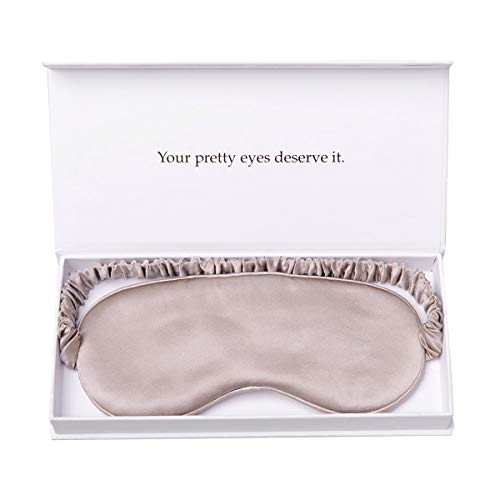
YANSER STRICT SELECTION
100% Mulberry * 19mm Silk * Ultra Soft * Light * Comfy * Skincare
BECKHAM HOTEL COLLECTION
Queen Size * Set of 2 * Gel Cooling * Back * Stomach * Side Sleepers

HEARS ONE
Earplugs * 20dB Reduction * Noise Reduction * Customizable Insert

SVASTHYA BODY & MIND
Alcohol-Free * Sleep * Kids * Adults * Natural