

Summary:
- Embrace Positive Stress
- Prioritize Rest and Recovery
- Reduce noise and pollution
- Use cold exposure
- Stressors like intermittent fasting strengthen cellular defenses & longevity
- Practice relaxation techniques, seek support, & set boundaries
Solutions/Shop:
How to Control Stress
In today’s fast-paced world, stress can feel unavoidable. But how to control stress is about more than just avoiding it—it’s about learning how to use it to your advantage. Not all stress is harmful; in fact, understanding good stress vs bad stress can simplify your life and give you the tools to succeed. Here’s a breakdown of the types of stress, how they affect you, and how to increase resilience to stress for better well-being.
Read more here: Stress Management Tips, Why Am I Stressed?
Books: Full Catastrophe Living…, Stop Overthinking…, The Life Brief…, Burnout: The Secrets to Unlocking The Stress Cycle
What is Stress? Understanding the Dual Nature
Not all stress is harmful. In fact, certain types of stress, called “eustress” or positive stress, help you grow, focus, and build resilience. Think of eustress as a motivator—like preparing for a marathon or tackling a challenging project. It helps push you toward your potential. However, when stress becomes chronic or overwhelming, it turns into “distress.” This bad stress drains your energy and can cause health problems.
Recognizing good stress vs bad stress and understanding how to increase resilience to stress can empower you to use stress as a tool for success.
Types of Good Stress and How to Use Them for Better Health
Physical Stress: Building Strength and Resilience
Physical activity, such as weightlifting, running, or other exercises, places controlled stress on your body. This stress stimulates growth, builds strength, and enhances resilience. Try boosting your physical activity and energy with the benefits of creatine or ashwagandha.
How It Benefits You: Regular physical stress increases muscle mass, bone density, and metabolism, helping with weight management and overall health. It also boosts energy levels and mental clarity. The easiest way to incorporate this stress is to maintain a consistent exercise routine.
Try: Creatine, Creatine Gummies, Ashwagandha Capsules
Read more here: Creatine For Strength Mental Clarity…, What Is Ashwagandha?…, The Power Of Adaptogens
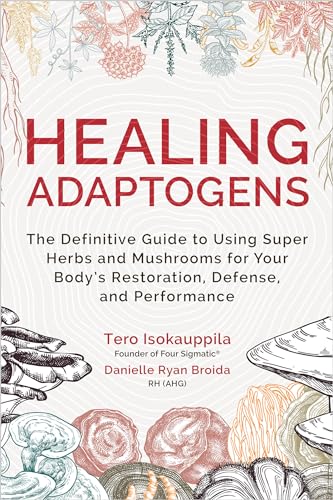
Books: Nature’s Apothecary…, Healing Adaptogens...
Stress doesn’t have to be your enemy; it can be a powerful ally. By embracing positive stress and managing harmful stress, you can build resilience, sharpen focus, and thrive with greater balance and strength
Cold Exposure: Boosting Immunity and Mental Toughness
Cold showers or ice baths are another form of beneficial stress. This type of stress trains your body to handle discomfort and builds immunity, reduces inflammation, and strengthens mental toughness.
How It Benefits You: Cold exposure activates brown fat, which boosts metabolism and enhances circulation. Mentally, it helps build resilience, improving your ability to manage stress.
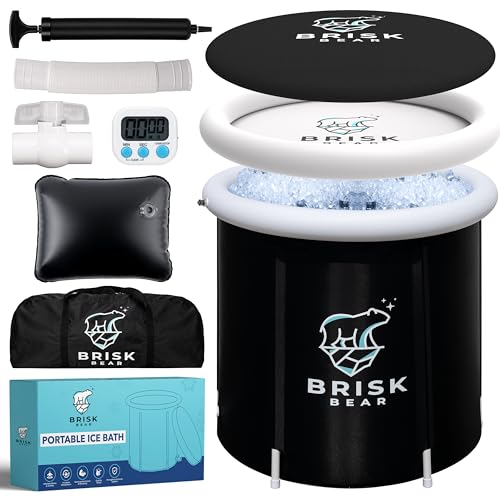
Try: Cold Plunge, Ice Packs
Read more here: How to Use Cold and Hot Exposure, What Is Cold and Hot Exposure?
Books: Winter Swimming…, The Sauna and Cold Plunge Experience
Hormetic Stress: Strengthening Cellular Defenses
Mild stressors, like antioxidants, intermittent fasting, or polyphenols from dark chocolate, trigger a response that strengthens your cells and builds resilience. This process, known as “hormesis,” helps protect against chronic diseases.
How It Benefits You: Hormetic stress strengthens your body’s defenses at the cellular level, protecting you from oxidative damage and promoting longevity. Tips for adding hormetic stress include incorporating antioxidant-rich foods and practicing intermittent fasting.
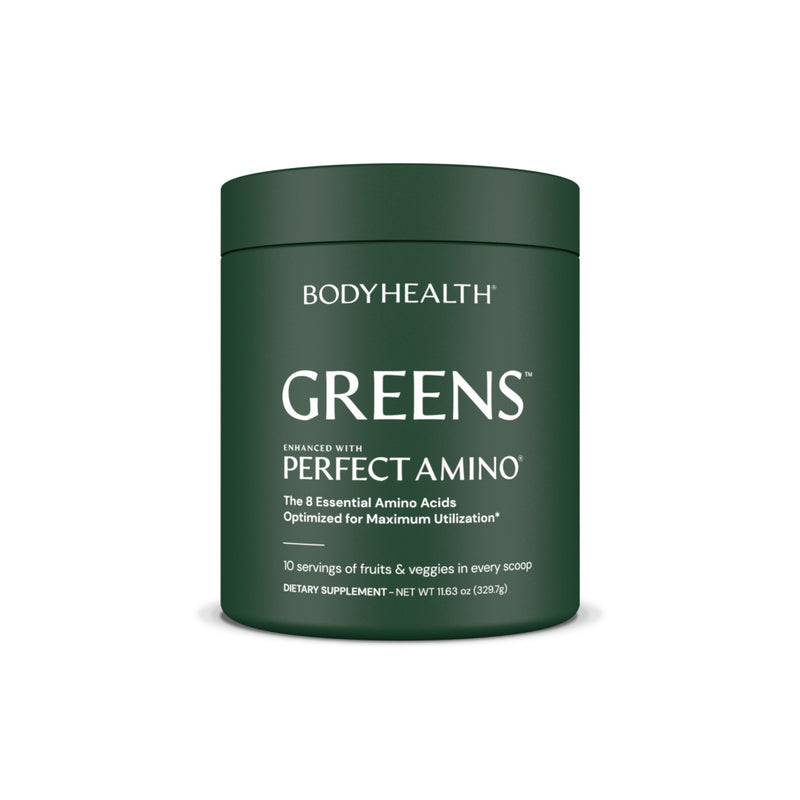
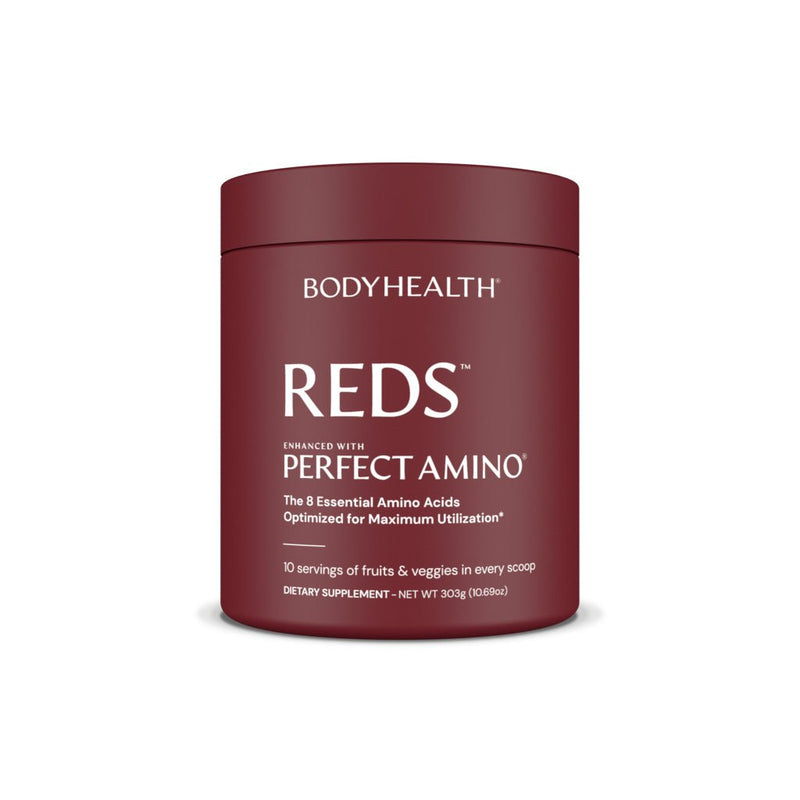
Try: Greens Superfood Powder, Reds Superfood Powder
Read more here: What Is Autophagy?, Fasting Methods
Books: Intuitive Fasting…, The Fasting Cure…, Fasting Transformation…
Mental Stress from Learning and Problem-Solving
Taking on mental challenges, such as solving puzzles or learning new skills, encourages neuroplasticity, the brain’s ability to adapt. This stress sharpens focus, memory, and mental agility.
How It Benefits You: Learning and problem-solving create new neural pathways, making your brain more flexible and capable of handling challenges. The easiest way to introduce this positive stress is through regular mental exercises, like games or learning new subjects.
Read more here: Enhance Your Brain: How to Improve Memory Holistically, How to Protect Your Brain Processes With Nutrients As You Age
Books: How to Learn Almost Anything in 48 Hours…, The Age-Proof Brain
Types of Harmful Stress and How to Manage Them
Chronic Emotional or Mental Stress
Ongoing emotional or mental stress, such as workplace pressure, financial worries, or relationship issues, can take a toll on your mental health.
Impact on Wellness: Chronic stress increases cortisol levels, which can lead to sleep disruption, weakened immunity, and anxiety. Learning relaxation techniques and seeking support help manage this harmful stress. Tip: Some studies show adaptogens like ashwagandha help the body cope with physical and emotional stress by modulating your physical anxiety responses.
Try: Ashwagandha Capsules, Ashwagandha Tea, Ashwagandha Powder, Lion’s Mane
Read more here: How Much Lion’s Mane Should You Take?
Environmental Stress: Reducing Noise and Pollution
Constant exposure to noise, crowded spaces, or pollution can contribute to mental and physical fatigue. Even minor environmental stress can impact your focus and well-being.
Impact on Wellness: Prolonged environmental stress raises blood pressure and can impair respiratory function. Spending time in quiet environments or natural settings can help reset your mental and physical health. Can’t find quiet, consider wearing comfortable earplugs more often, and attempt to reduce pollutants in your home with air purifiers. Tip: switch plastic containers and water bottles for steel cookware and glass options to avoid hormone disruptors.
Try: Earbuds, Air Purifier, Nontoxic Cookware, BPA Free Containers, BPA Free Water Bottle
Chronic Physical Stress from Overtraining
While exercise is good for you, overtraining without adequate recovery can backfire. Too much physical stress without rest can lead to injury and exhaustion.
Impact on Wellness: Overtraining causes muscle fatigue, raises cortisol levels, and weakens immunity. Prioritizing rest and recovery helps your body repair and ensures long-term physical health.
Try: Ice packs, Heating Pad, Heated Massage Goggles
Read more here: Post-Workout Nutrition: The Ultimate Guide, 8 Tips for Optimal Recovery and Performance
Finding Balance: How to Harness Good Stress and Reduce Harmful Stress
Managing stress effectively means recognizing good stress vs bad stress and knowing how to increase resilience to stress. Here are a few tips to harness positive stress and minimize the harmful effects:
- Embrace Positive Challenges: Engage with challenges that inspire growth, like learning new skills or taking on physical goals. Eustress encourages stepping outside your comfort zone to grow.
- Prioritize Recovery: Balance periods of positive stress with adequate rest. Recovery time, like quality sleep or time spent in nature, is essential for rejuvenating both body and mind.
- Control What You Can: While you can’t always control external stressors, focusing on areas like creating boundaries or scheduling time for exercise can help reduce negative stress.
- Build a Support Network: Stress is easier to manage with the right support. Rely on friends, family, or mindfulness practices to process stress healthily.
Stress can be a powerful tool on your journey to becoming your best self. By understanding good stress vs bad stress and learning how to increase resilience to stress, you’ll build the strength to thrive in all areas of life. Whether through physical activity, mental challenges, or stress-reducing techniques, taking control of stress leads to a healthier, more balanced life.

AZURE BIOGENICS
Stress * Anxiety * Memory * Focus * Immunity * Hormonal Balance

AZURE BIOGENICS
Concentration * Focus * Premium Mushrooms * Plant Based

FULLCHEA
Stress * Energy * Immunity * Sleep * Antioxidants
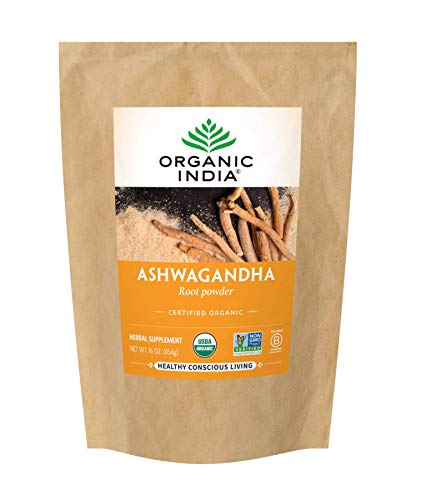
ORGANIC INDIA
Stress * Energy * Immunity * Focus * Endurance * Mood

AZURE
Workout Performance * Strength & Training * Endurance * Brain Health * Recovery

CREATE
Muscle Growth * Strength * Endurance * Focus * Vegan * Gluten-Free

HOST DEFENSE
Cognition * Memory * Focus * Calmness * Clarity

HOST DEFENSE
Cognition * Memory * Focus * Calmness * Focus
BODY HEALTH
Energy * Gut * Prebiotics * Adaptogens * Antioxidants
BODY HEALTH
Antioxidant * Mental Focus * Stress * Immunity

HEARS ONE
Earplugs * 20dB Reduction * Noise Reduction * Customizable Insert

PURACLENZ
Dust * Pollen * Pet Dander * Smoke * Allergens * Mold * Viruses * Bacteria

THERABODY
Bluetooth * Smart Goggles * Blackout Sleep Mask * Headaches
BRISK BEAR
Ice Baths * Easy Installation * Athletics Version * 105 Gal

THE COLDEST WATER
Full Body * Swelling * Bruises * Surgery * Cramps

CARAWAY
12 Piece, * Non-Toxic * Oven Safe * All Stovetops Compatible

RUBBERMAID
Stain-Resistant * Leakproof * 2 Compartments * Easy Microwaving

OWALA
Insulated * Stainless Steel * BPA-Free * Lid-Lock





This article provides general information and discussions about health and related subjects. The information and other content provided in this blog, or in any linked materials, are not intended and should not be construed as medical advice, nor is the information a substitute for professional medical expertise or treatment.
How to Control Stress FAQ
1. How can I tell the difference between good stress and bad stress?
Good stress (eustress) motivates and challenges you, while bad stress (distress) causes anxiety, fatigue, and health problems. If stress feels overwhelming or negatively impacts your health, it may be harmful.
2. What are the best ways to increase resilience to stress?
Building resilience involves regular exercise, mindfulness practices, getting enough sleep, and maintaining strong social connections. Small lifestyle changes, like deep breathing exercises and setting boundaries, also help.
3. Can stress be beneficial for mental health?
Yes! Short-term stress can improve focus, enhance problem-solving skills, and strengthen memory. However, chronic stress without recovery can harm mental well-being over time.
4. How does physical activity help control stress?
Exercise reduces cortisol levels, releases endorphins, and improves overall mood. Activities like weight training, yoga, and cold exposure can turn stress into a tool for growth and resilience.