

Summary:
- Testosterone, cortisol, and thyroid function control hormonal balance in men
- Testosterone production decreases by about 14% every decade after age 20
- Test levels at home if you suspect low T
- Adjust habits and add essential nutrients to support balanced hormone levels
Solutions/Shop:
Tips for Supporting Testosterone, Managing Cortisol, and Supporting Thyroid Health
Let’s set the record straight—hormonal imbalance in men is more common than you may think. Signs of hormonal imbalance in men include changes in energy, mood, metabolism, and even libido. If you’re noticing these shifts, don’t ignore them. Your testosterone, cortisol, and thyroid health could be playing a bigger role than you think.
As we get older, our bodies naturally start producing fewer hormones. That’s just biology. However, learning how to be intentional about living a lifestyle that actively supports hormonal balance becomes crucial for overall well-being. When your body’s key hormones—like testosterone, cortisol, and thyroid hormones—are off, it’s not just about feeling “off.” It can affect everything from your energy levels, mental health, and metabolism.
Understanding hormonal imbalance in men is the first step to taking control of your health. By making smart lifestyle choices, eating the right foods, and incorporating targeted supplements, you can restore balance and feel your best.
Signs of Hormonal Imbalance in Men
Three hormones tend to drive most hormonal imbalances in men: testosterone, cortisol, and thyroid hormones. Let’s break it down and give you some tips for balancing hormones naturally.
How to Balance Testosterone Naturally
Testosterone is responsible for everything from muscle mass and bone density to libido and metabolism. However, hormonal imbalance in men can lead to low testosterone levels, resulting in fatigue, mood swings, weight gain, and hair loss.
After age 20, testosterone production decreases by about 14% per decade. And some men experience premature testosterone depletion, affecting around 4 to 5 million men in the U.S.
Symptoms Of Low T:
-
Mood swings
-
Weight gain
-
Hair loss
-
Erectile Dysfunction
-
Insomnia
-
Muscle loss
-
Low libido
Read more about these topics here: Understanding Hair Loss…, Optimizing Metabolic Health & Weight Management, How to Naturally Increase Libido and Support Hormonal Balance
Try: At Home Testosterone Test
Over time, extended low testosterone levels can lead to low sperm count, testicle shrinkage, infertility, enlarged breast tissue, and an enlarged prostate. If you’re experiencing these symptoms, testing your testosterone levels is a smart first step.
Wondering how to increase testosterone naturally? Low testosterone, or low T, doesn’t just affect your sex life (though it certainly can). It can also lead to muscle loss, weight gain, and yes—hair loss. You might be tempted to reach for synthetic testosterone boosters, but explore all options before you do.
Balancing key hormones like testosterone, cortisol, and thyroid is essential for energy, mood, and overall health. Through diet, exercise, quality sleep, and supplements like magnesium and B vitamins, you can support your body’s natural hormone regulation and address symptoms of imbalance.
Ways to Naturally Boost Testosterone:
- Exercise (a combination of aerobic and weight lifting in moderation)
- Quality Sleep
- Avoid alcohol and tobacco
- Avoid excessive stress
- Avoid plastics (containers, water bottles, styrofoam)
- Avoid Phthalates (chemicals in some shampoos and colognes)
Poor nutrition is a key factor in testosterone imbalance in men. Eating processed foods, excessive sugar, and alcohol can disrupt hormone balance.
Read more about these habits here: The Connection Between Exercise and Better Sex, How to Improve the Quality of Your Sleep, Stress Level Checklist…
Foods to avoid for hormonal balance:
- Excessive sugar
- Excessive caffeine
- Processed foods
- Excessive dairy
- Red meat, or animal fat
- Food dyes
Nutrient-Rich Foods to Support Hormones:
- Lean proteins (eggs, fish, beans, seeds, nuts)
- Healthy fats (avocados and olive oil)
- Foods rich in zinc and magnesium
- Cruciferous vegetables (broccoli, cauliflower, kale, cabbage, leafy greens)
- Fiber (fruits and vegetables)
- Ground flax seed
- Soy products
Diet is everything. It is so important to get an array of different nutrients in your body, and some we just don’t get with our highly processed diets today. Various nutrients in supplements even have added benefits when they work together, which is why a good multivitamin can set you down the right path. Nutrient deficiency can be responsible for many chronic health conditions, even symptoms of depression, which is another reason why a multivitamin can help cover all your bases. Read more about nutrient deficiencies here.
Read more here: Micronutrients and Mental Health…Understanding Soy…
Best Supplements for Testosterone Support:
- Zinc
- DHEA
- Magnesium Glycinate
- DHT blockers (may help symptoms of hair loss but not the root of testosterone issues)
Despite the many positive benefits vitamin D has, studies are mainly inconclusive concerning its testosterone-boosting effects.
Try: Zinc, DHEA, DHT Blockers, Fiber
Ways to Lower Cortisol Levels Naturally
Cortisol is your body’s stress hormone. It helps you deal with challenges, but chronic high cortisol levels can lead to premature aging, fatigue, a weakened immune system, and even heart disease.
How to Naturally Lower Cortisol:
- Regular exercise (helps burn off excess cortisol)
- Mindfulness & Breathwork (one session of deep breathing or meditation can drastically lower cortisol levels)
- Quality sleep
- Hydration (try adding electrolytes for boosted hydration)
Best Supplements for Cortisol Balance:
- Magnesium Glycinate
- Ashwagandha
- Omega-3s
- Rhodiola Rosea
- Vitamin C
Try: Magnesium Glycinate, Ashwagandha, Omega-3’s, Rhodiola Rosea, Vitamin C
More on these topics: What is Mindfulness and How Does it Impact Your Wellness, The Connection Between Exercise and Better Sex, Why Sleep Matters, How Yoga Enhances Physical and Mental Wellness
Book: Breathwork: How to Use Your Breath to Change Your Life
Thyroid Health and Metabolism: How to Support It
The thyroid hormones T3 and T4 regulate metabolism, body temperature, and even how efficiently you breathe. If your thyroid function is off, your whole body slows down—muscle mass decreases, erectile dysfunction becomes an issue, and anxiety or depression can creep in. The tricky part? Thyroid imbalance symptoms in men can look a lot like low testosterone.
How to Support Thyroid Health Naturally:
- Eat thyroid-supporting foods: Beef liver, eggs, sardines, flax seeds, sunflower seeds, and green beans.
Take key supplements:
- Selenium (a small amount is needed, so look for this in your multivitamin or seek out eggs and Brazil nuts)
- B vitamins (particularly B12, thiamine, and B6)
Try: B12, B Vitamin Complex, B6, Multivitamin
Final Thoughts
Lasting change comes from nourishing your body with the right nutrients and incorporating lifestyle practices that support your endocrine system. Testosterone, cortisol, thyroid—keep them in balance, and your body will thank you. Hormonal imbalance in men is common, but it doesn’t have to be permanent. The easiest way to ensure this? Take charge of your wellness. Live intentionally and feel the difference.

AZURE BIOGENICS
Muscle * Nervous System * Bones * Energy * Mood

SMARTYPANTS
Thyroid * Energy * Metabolism * Bones * Heart
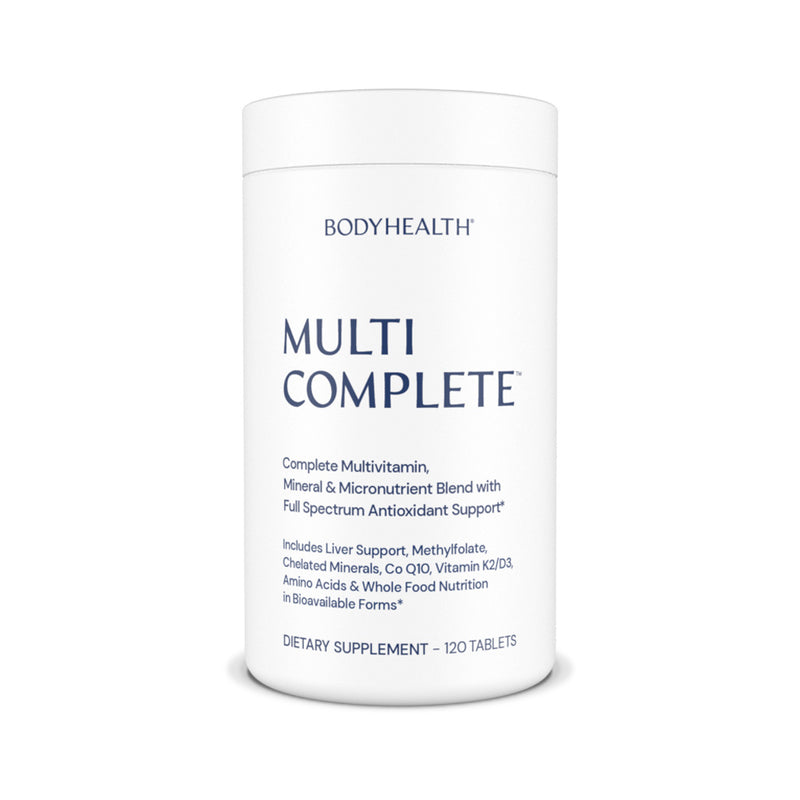
BODYHEALTH
Immunity * Detox * Antioxidants * Energy * Gut * Mood

AZURE BIOGENICS
Heart * Vision * Immunity * Skincare * Gut * Mood

PURE ENCAPSULATIONS
Hormonal Balance * Energy * Mood * Bones * Immunity* Skin

PURE ENCAPSULATION
Immunity * Growth * Development * Wounds

VIMERGY
Immunity * Antioxidant * Vision * Longevity * Skin * Memory

ADVANCED TRICHOLOGY
Hair Growth * Hair Loss * Scalp * Thickness
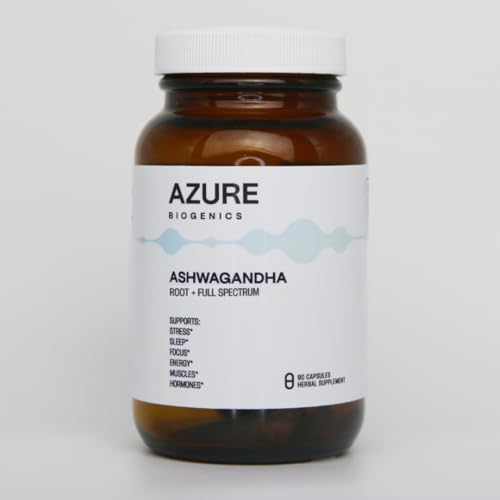
AZURE BIOGENICS
Stress * Anxiety * Memory * Focus * Immunity * Hormonal Balance

AZURE BIOGENICS
Concentration * Focus * Premium Mushrooms * Plant Based

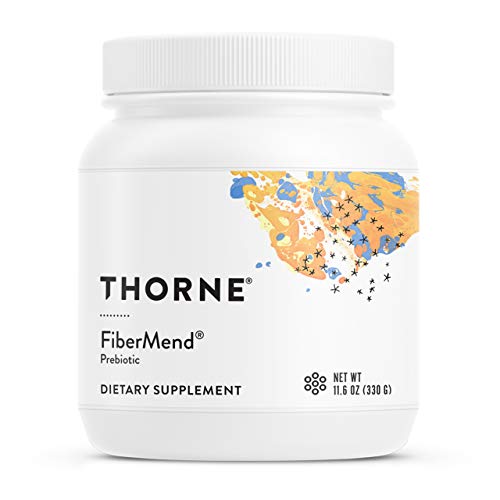
THORNE
Methylation * Heart * Nerves * Sleep * Blood Cells

PURE ENCAPSULATIONS
Nervous System * Brain * B Vitamins * Non-GMO
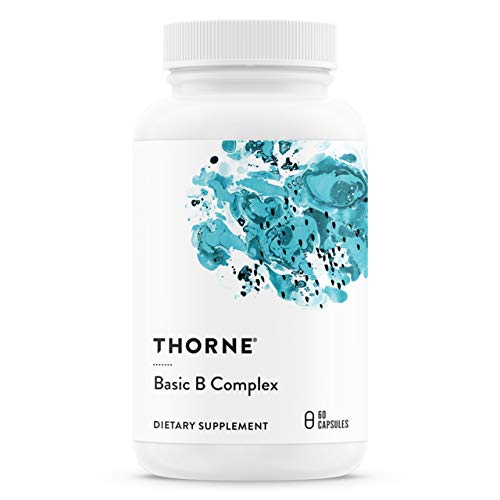
THORNE
Tissue-Ready * Choline * Energy * Brain * Red Blood Cell

LIVON LABORATORIES
Lypo Spheric * Antioxidant * Daily Supplement * Non-GMO * Keto Friendly

BODYHEALTH
Hydration * Muscles * Energy * Nutrient Balance

EVERLYWELL
At-Home Sample * 5-8 Day Results * Accurate * CLIA


This article provides general information and discussions about health and related subjects. The information and other content provided in this blog, or in any linked materials, are not intended and should not be construed as medical advice, nor is the information a substitute for professional medical expertise or treatment.
Hormonal Imbalance In Men FAQ
What are the common symptoms of hormonal imbalance in men?
Symptoms may include fatigue, weight gain, low libido, mood swings, hair loss, insomnia, and muscle loss.
How can men naturally balance their hormones?
Men can balance hormones through regular exercise, a nutrient-dense diet, quality sleep, stress management, and supplements like zinc, magnesium, and B vitamins.
What foods should men avoid to maintain hormone balance?
Excessive sugar, processed foods, alcohol, caffeine, dairy, and food dyes can disrupt hormone levels.
How does cortisol affect male hormones?
Chronic high cortisol levels can lower testosterone, increase fat storage, and contribute to fatigue and mental fog.