

Summary:
- Mental health therapies can contain elements of mindfulness and holistic wellness approaches
- Mood-supporting supplements can support overall mental wellness
- Mindful therapies can incorporate a mind-body-emotion connection
- Can impact anxiety and trauma symptoms
- Ask your therapist, psychologist, or physician about how you can receive mindful, holistic therapy
Solutions/Shop:
- L-Theanine
- Ashwagandha
- Meditation Tracker
- Singing Bowls Set
- 5-Minute Journal
- Stop Overthinking (book)
Mindfulness Therapies for a Balanced Life
In our fast-paced world, finding inner peace might seem elusive, but with the right approach, it’s within your reach. Today’s therapeutic landscape offers a wealth of mindfulness-infused options. Let’s dive into a few standout styles and discover how to be your best self.
Try: The 5-Minute Journal, Self-Love Reflection Cards
Read more: What is Mindfulness: How Does it Impact Wellness
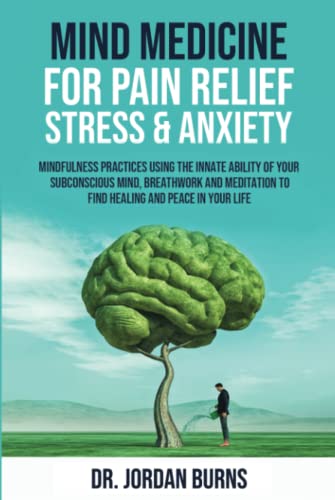
Books: Mind Medicine for Pain Relief…
Holistic Therapy for Mindfulness
Holistic therapy takes a comprehensive approach, considering your entire being—personal history, beliefs, culture, and more. It might include complementary practices like reiki, breathing exercises, or hypnosis. Whether your practitioner is a licensed marriage and family therapist or a psychologist, their goal is to heal you as a whole person.
Read more: The Art of Being Happy
Books: Mindfulness: The Remarkable Truth…
Cognitive Behavioral Therapy (CBT)
CBT is all about recognizing and retraining those pesky unhelpful thoughts and behavior patterns. It’s grounded in the idea that your thoughts, emotions, and actions are interconnected. With its mindfulness components, CBT helps you stay rooted in the present moment, cultivating self-awareness and reflection. Tips on how to increase your mindfulness through CBT include focusing on present thoughts and redirecting negative patterns.
Read more: Coping Strategies for Depression: CBT
Books: CBT Journal for Mental Health, State Change: End Anxiety…, Happy Not Perfect…
Mindfulness-Based Cognitive Therapy (MBCT)
A branch of CBT, MBCT blends cognitive therapy with meditation practices. This fusion helps you understand the mental states that lead to depression and mood disorders. A 2008 study found MBCT supportive in reducing relapse rates in recurrent depression.
Try: 52 Gratitude Cards
Read more: Tips to Increase Gratitude and Reject Worry
Books: Transcend: The New Science of Self-Actualization…
Dialectical Behavioral Therapy (DBT)
DBT, similar to CBT, focuses more on navigating difficult emotions and relationships. Originally developed for borderline personality disorder and suicidal thoughts, DBT teaches you to tolerate distress and mindfully accept your thoughts and behaviors. It’s a masterclass in emotional regulation and interpersonal skills.
Somatic Experiencing (SE)
What is somatic experiencing? Somatic means “of the body.” SE uses the mind-body connection to tackle physical and psychological symptoms. Developed by Peter Levine, it addresses how stress and trauma disrupt your nervous system, helping you release lingering trauma by tuning into bodily sensations.
Books: Consciousness Medicine: Indigenous Wisdom, and the Expanded State of Consciousness
Ecotherapy
Ecotherapy emphasizes our deep connection with nature. Whether through nature hikes, coastline cleanups, or gardening, it reinforces your bond with the planet. By engaging your senses with the natural world, ecotherapy helps ground you in the present moment.
Mindful therapies are holistic approaches that address the whole person, considering your past and present experiences, beliefs, and culture. By pulling you into the present moment and out of negative thought patterns or triggering memories and anxieties, these therapies help you cultivate mindfulness and self-awareness.
Books: The Wim Hof Method…, Inner Engineering…
A Guide to Progressive Muscle Relaxation (PMR)
PMR is the easiest way to practice relaxation, even for those new to mindfulness. Here’s how to try it:
- Lie or sit down, relaxing your body. Take five deep, slow breaths.
- Point your toes upward, hold, then release. Repeat pointing downward.
- Squeeze and release your calf muscles.
- Rotate and release your knees.
- Tense and release your thigh muscles.
- Make tight fists, hold, then release.
- Engage and release your arm muscles.
- Clench and release your buttocks.
- Squeeze and release your abdominal muscles.
- Inhale, tighten your chest, hold, then exhale and release.
- Raise and release your shoulders.
- Purse your lips, hold, then release.
- Open your jaw wide, hold, then release.
- Scrunch your face, hold, then release.
- Raise your eyebrows, hold, then release.
Try: Yoga Mat, Pro Plus Massage Gun
Anxiety Relief
Research shows that mindfulness has the potential to ease anxiety. Beyond formal mindfulness and meditation, here are some tips for mindfulness activities to anchor you in the present and soothe anxiety:
Read more: What is Meditation and How to Get Started, Everything You Need to Know About Breathwork
Books: Breath, Breathwork: How to Use Your Breath to Change Your Life
- Write down your thoughts and feelings in a journal
- Try different types of art and get creative, you’ll find it easy to stay present
- Pay attention to your breath or bodily sensations, try breathwork
- Step away from social media and electronics
- Immerse yourself in nature by walking, hiking, or finding a lake or beach to explore
- Explore mood-supporting supplements like L-Theanine and Ashwagandha
- Empower Yourself with Knowledge and Healthy Practices
Try: Ashwagandha, L-theanine, Weekly Pill Organizer
Read more: What is Ashwagandha?
Embrace Mindfulness
Expanding your knowledge about mindful therapies is empowering and transformative. It’s not just about seeking treatment; it’s about understanding the principles and techniques that can enhance your life. Reading books, exploring resources, and learning from experienced practitioners provide valuable insights that you can integrate into your daily routine. By equipping yourself with this knowledge, you can apply these mindfulness techniques independently, fostering a greater sense of control and well-being. Additionally, taking care of your physical wellness through a balanced diet and appropriate supplements provides a strong foundation for supporting your mental health.

MARYRUTH'S
Cognition * Focus * Stress * Anxiety * Quality Sleep

AZURE BIOGENICS
Stress * Anxiety * Memory * Focus * Immunity * Hormonal Balance

ZENDO
Meditation * Focus * Reduce Stress * Adjustable

SOLSHINE
6-12 Inch * Set of 7 * Sound Healing

INTELLIGENT CHANGE
Daily * Gratitude * Happiness * Mindfulness * Reflection


MIND BRAIN EMOTION
Solo & Social Use * Gratitude Practice * Affirmations & Quotes * Boost Mood

MANDUKA
6mm Cushion * Non-Slip * Eco-Friendly * 100% Latex-Free

THERAGUN
6-in-1* Deep Tissue * Adjustable Speeds* Multiple Attachments

BETIFE
Easy To Use * Safe Travel * Easy to Carry * Never Rubbed Off



JORDAN A. MADISON
Evidence-Based * Well-Being * Affirmations * Breathing * Exercises


This article provides general information and discussions about health and related subjects. The information and other content provided in this blog, or in any linked materials, are not intended and should not be construed as medical advice, nor is the information a substitute for professional medical expertise or treatment.