


Summary:
- Science of Happiness:
- People wish they spent less time on work and more time on relationships
- Scientifically, wealth does not equate to happiness
- Married people live longer than single people
- People wish they thought less about how others perceive them
- People who invest in relationships have better physical wellness and happiness
Solutions/Shop:
The Science of Happiness: Lessons from the Harvard Happiness Study
The Harvard Happiness Study reveals over decades, that those who invest in their relationships enjoy better overall physical wellness and happiness. The study invites us to dream beyond material success and focus on emotional richness. It’s a clean break from notions that wealth and status are the ultimate goals. Instead, it’s about creating a life filled with meaningful connections and nurturing our inner well-being—all backed by 85 years of science. Read more here: Science-Backed Reasons Why You Should Laugh More
What Does the Harvard Happiness Study Reveal About a Good Life?
The study began with a simple question: What do people think makes a good life? 85 years later, the Harvard Happiness Study remains the longest-running adult life study ever conducted, offering groundbreaking insights into the science of happiness. Back to that initial question—researcher Dr. Waldinger initially found that:
- 80% said being rich
- 50% said fame
- 50% said career achievements
Despite these claims, as wealthier countries grow, happiness levels decline. For example, the difference in happiness between someone with $75 million and another with $75,000 is statistically insignificant. Perhaps our perception of happiness is different from what truly brings fulfillment. The study, which began in 1938, initially followed students and delinquents before expanding to 725 men and later their wives and children. Participants were interviewed, brain-scanned, had their blood drawn, and DNA analyzed. The most powerful takeaway? The Harvard Happiness Study confirms that the healthiest and longest-living individuals are those with the strongest connections, proving how social bonds impact longevity. Read more here: How to Keep Friendships Thriving…, The Key To Happiness: Connection, Secrets to a Lasting Marriage…, What Makes a Healthy Family?, How to Build a Strong Family Culture…
Key Findings from the Science of Happiness
- Married women live 5-12 years longer than their single counterparts while married men live about 7-17 years longer than single men
- Happiness increases with age; older brains are more receptive to positive information, and this can be a dangerous fault
- Men claimed they regret putting so much time into their work instead of the people they care about
- Women claimed they regret thinking so much about how others perceive them
- Across both genders, they claim their biggest accomplishments all had to do with relationships
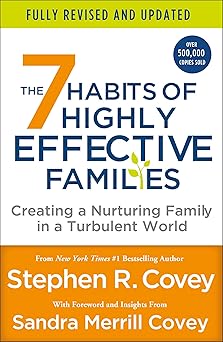
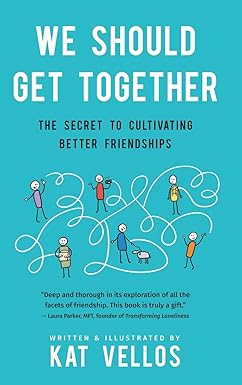
Books: 7 Habits of Highly Effective Families, The Business of Friendships…, We Should Get Together…
Those who invest in their relationships have better overall physical wellness and happiness. We have about 50% control over our happiness – the other 50 being genetics- and we can control that portion by giving each other the most valuable thing we can offer another human being. Connection and undivided attention.
How Social Bonds Impact Longevity and Happiness
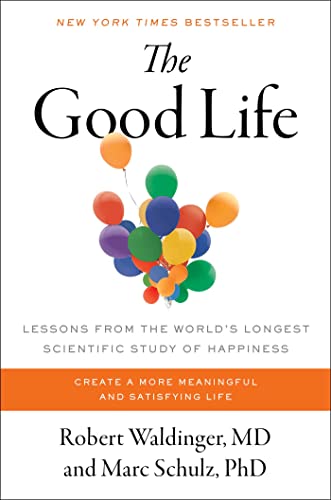
How can we use these findings to improve our lives today? Research within the science of happiness shows that loneliness is on the rise. In 2003, 25% of people reported having no close confidant. Loneliness is a serious health risk—comparable to obesity, smoking, and severe cardiovascular issues. Dr. Waldinger states, “We now have good scientific data to back up what our grandmothers always knew and were telling us all along.” Although money, achievements, and career goals are measurable, the Harvard Happiness Study emphasizes that prioritizing relationships is key to long-term fulfillment and well-being. Prioritizing relationships can be scary—people and circumstances change, but strong connections are the key to a happy and well-lived life. Expand your knowledge by reading books from happiness experts, and invest in games and activities that allow you to spend quality time with loved ones. How do you prioritize relationships in your daily life? Share your thoughts by connecting with our Instagram! Read more here: Morning Habits for Longevity: Secrets From the Blue Zones Try: We’re Not Really Strangers, Cards Against Humanity (Family Ed.), The 5-Minute Journal Books: The Good Life: Lessons From The World’s Longest Scientific Study On Happiness
FAQ: Common Questions About the Science of Happiness
1. What does the Harvard Happiness Study reveal about relationships? The study confirms that strong social bonds are the key to long-term happiness, well-being, and longevity, surpassing wealth and career success. 2. How does the science of happiness explain longevity? Research shows that people with strong relationships tend to live longer, healthier lives by reducing stress, promoting emotional resilience, and improving physical health. 3. Why do strong social bonds impact happiness? Human connection fosters emotional support, reduces feelings of loneliness, and contributes to overall well-being, making life more fulfilling and meaningful. 4. What are the key lessons from the Harvard Happiness Study? Prioritizing relationships, practicing gratitude, and investing time in meaningful connections are the top predictors of happiness and life satisfaction.




INTELLIGENT CHANGE
Daily * Gratitude * Happiness * Mindfulness * Reflection

CARDS AGAINST HUMANITY
Family Edition, Ages 8+


WE'RE NOT REALLY STRANGERS
150 Cards * 3 Levels of Questions * 2-Players * Ages 15+
This article provides general information and discussions about health and related subjects. The information and other content provided in this blog, or in any linked materials, are not intended and should not be construed as medical advice, nor is the information a substitute for professional medical expertise or treatment.