


Summary:
- Cues stimulate/trigger habits
- Recognize cues in your life that currently trigger your habits
- Harness cues to create desired habits
- Different types of cues may work better for different types of habits
Solutions/Shop:
The Science Behind Habit Formation
Habit formation is the foundation of lasting behavior change. In his book Atomic Habits, James Clear explains four key strategies for building better habits.
Let’s dive into the various cues that could work for your habits.
Read more here: Why You Can’t Focus Anymore- and What to Do About It
How Time-Based Habit Cues Improve Habit Formation
Time is one of the most effective habit cues. Think about your morning routine—drinking water, using the bathroom, brushing your teeth, or making coffee. These habits are naturally tied to waking up. Similarly, habits like checking your phone, eating at specific times, or taking breaks occur unconsciously at certain points in the day.
Understanding the function of these habits—whether they fulfill boredom, hunger, or restlessness—helps you replace bad habits with better alternatives. Sticking to a schedule reinforces new habits, even if they are not perfectly executed. The key is consistency.
The habit loop framework suggests that reinforcing behavioral triggers at consistent times throughout the day can make habit formation easier. By anchoring habit cues to time, you can develop sustainable routines that align with your long-term goals.
Developing daily routines for success involves using structured time-based triggers to reinforce productive behaviors and eliminate negative patterns.
Try: Hatch Sunrise Alarm Clock
Read more here: Mastering Focus: How to Enhance Concentration
Location and Habit Formation
Our environment shapes many of our habits. For example, if your snack cabinet were in the bathroom, you’d likely find yourself eating there. The reason we gravitate toward certain behaviors in specific places is that our brains link actions to environments.
James Clear suggests creating new habits in places where you don’t already have ingrained environmental triggers. For example, having a dedicated workspace makes it easier to focus and be productive. Similarly, assigning specific places for specific actions—such as working at a desk, eating in the kitchen, and exercising at the gym—reinforces good habits.
Understanding environmental habit triggers allows you to strategically design spaces that encourage positive behaviors while minimizing exposure to cues that lead to unwanted habits.
Habits shape your life, and cues shape your habits. By recognizing triggers—like time, environment, emotions, and the people around you—you can create lasting routines that align with your goals. Start small, stay consistent, and let your habits transform your tomorrow.
Preceding Events As Triggers
Many habits form as responses to events. If your phone rings, you answer it. If you hear an ambulance, you pull over. You can use this pattern to form positive habits by linking them to an existing behavior.
For instance, if you want to start journaling, you could commit to writing for five minutes after washing the dishes.
The habit stacking method, a core concept in Atomic Habits, involves linking a desired habit to an existing routine. For example, “After I brush my teeth, I will meditate for one minute.” This technique strengthens associations between habits and preceding actions, making them easier to maintain.
This process aligns with behavior change strategies, reinforcing the connection between habits and everyday actions.
Try: Panda Planner, Journal
Emotions and Habit Formations
Emotions play a crucial role in habit formation. People often turn to habits like stress eating, biting nails, or procrastinating when feeling anxious or overwhelmed. Recognizing emotional triggers is essential to replacing negative habits with positive ones.
For example, if shallow breathing and shakiness signal anxiety, you can train yourself to engage in deep breathing techniques instead of defaulting to unhelpful behaviors.
Leveraging emotional triggers for habits can help redirect negative responses into productive behaviors, such as replacing stress eating with mindful breathing exercises or journaling.
The Influence of People on Habits
If your friend jumped off a bridge would you too?! The people we surround ourselves with significantly influence our habits. If your friends enjoy exercise, save money, or engage in productive activities, you’re more likely to adopt these behaviors. Likewise, bad habits are often picked up from peers.
Surrounding yourself with success-driven habits by associating with individuals who embody your desired behaviors increases the likelihood of adopting and maintaining those habits.
We can use this concept for great good. Having friends who like to go on walks, save money, exersice, and engage in meaningful conversations, will likely trigger you to do these things every time you spend time with them, and maybe outside of their presence. However, bad habits are also easily precipitated by others.
Incorporating habit reinforcement techniques such as social accountability and peer influence can help strengthen long-term habit formation.
Mastering Habit Stacking: Using Cues to Build Stronger Routines
Habit stacking is a technique where you link a new habit to an existing routine, using the momentum of established behaviors to make the new habit easier to adopt and maintain.
To build lasting habits, identify the cues that work best for you—whether it’s time, location, a preceding event, emotions, or social influence. Recognizing the triggers behind current habits takes self-awareness and reflection, but leveraging these insights can help you develop a healthier, more productive lifestyle.
By using habit stacking, you can seamlessly integrate new routines into your daily life without overwhelming yourself. Start small by pairing a desired habit with something you already do consistently—this will strengthen your habit formation process over time.”
Incorporating behavior change techniques and consciously designing your routines around habit cues ensures a structured approach to personal development.
Read more here: Unlock Your Potential: Habit Tracking
Lasting Change Through Habit Cues
Building lasting habits starts with understanding the cues that drive behaviors. By identifying and leveraging these cues, you can consciously design a lifestyle that aligns with your goals.
Recognizing habit consistency strategies ensures that small changes build momentum over time, leading to sustainable personal growth.
Habit formation is a journey, not a race. By applying structured cues and habit-building strategies, you can build a healthier, more intentional life that supports long-term success.
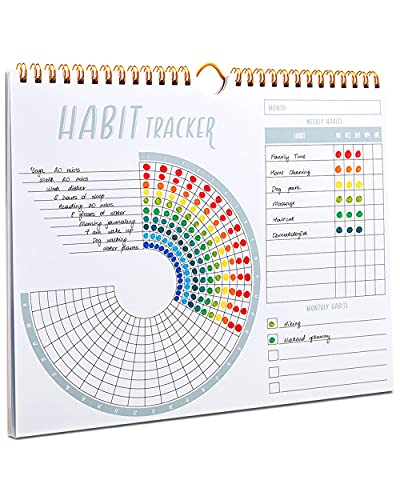
LAMARE
Goal Tracker * Thick 120 GSM Paper * Maximized Creativity

ANECDOTE
Thick * 100 GSM * A5 * Daily Writing * Travel *School * Office

PANDA PLANNER
Daily Planner * Happiness * Productivity
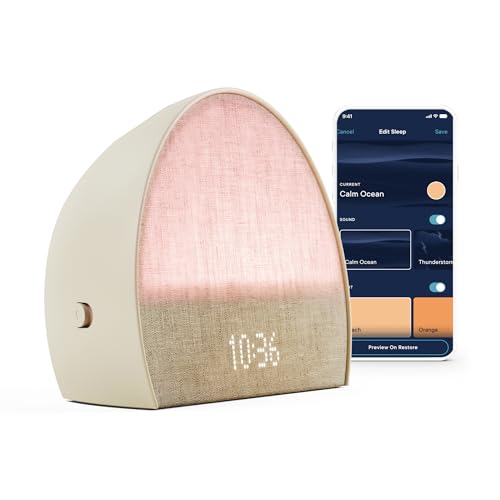
HATCH BABY
Sound Machine * Smart Light * White Noise * Unwind Gently

This article provides general information and discussions about health and related subjects. The information and other content provided in this blog, or in any linked materials, are not intended and should not be construed as medical advice, nor is the information a substitute for professional medical expertise or treatment.