

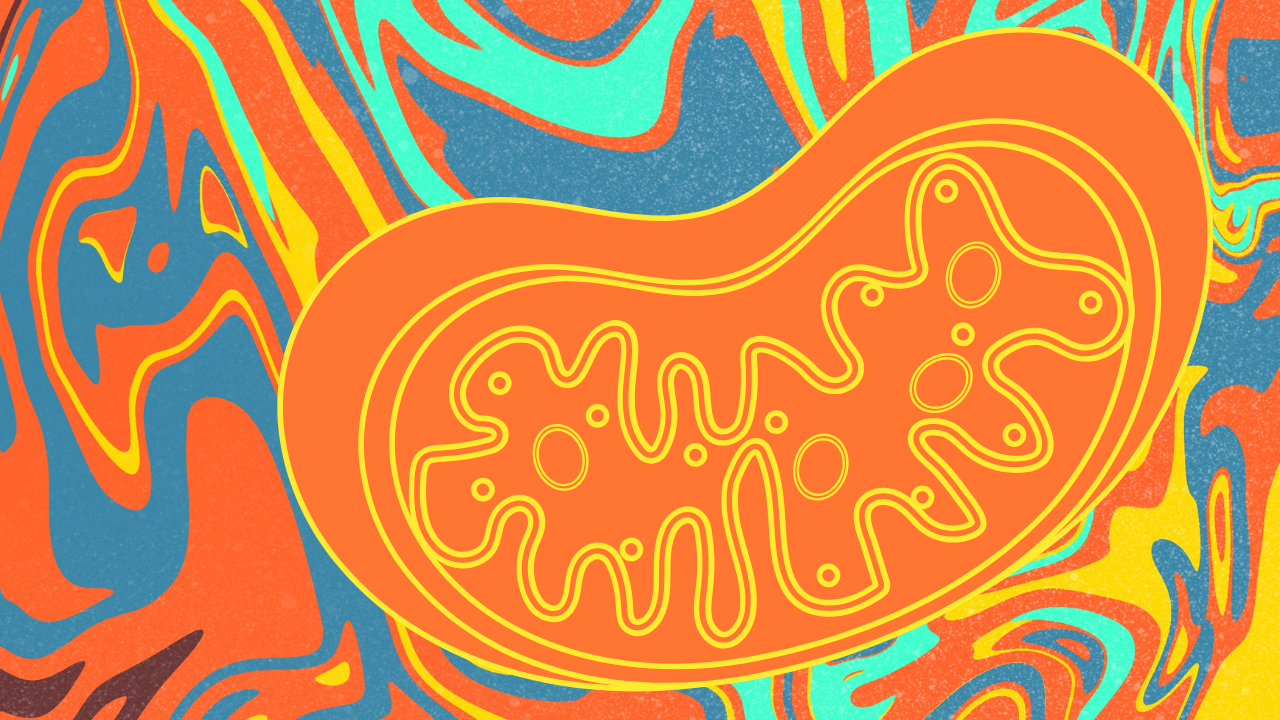
Summary:
- Mitochondria create energy for all of your body’s vital processes
- Environment, diet, stress, UV/Radiation, and lack of sleep can damage mitochondria
- Supplements to support mitochondria: Resveratrol, Glutathione, NAD+, Alpha Lipoic Acid, and CoQ10
- Damage to mitochondria can lead to: brain/body fatigue, and serious chronic illness
Solutions/Shop:
What Is Mitochondrial Health and Why Does It Matter?
Feeling wiped out after a few errands or a light workout? These aren’t just signs of everyday fatigue—they could be a sign your mitochondria need attention.
Your body is constantly using energy, even when you’re at rest. Mitochondria are the tiny power plants inside nearly every cell, creating the energy you need to survive and thrive. What happens if they aren’t working properly? You’ll feel the effects—
- Muscle weakness
- Brain fog
- Low energy
- Digestive issues
- Nerve damage (neuropathy)
- Thyroid dysfunction
- Chronic illness (obesity, diabetes)
- Neurodegenerative disease (Alzheimer’s, parkinsons)
So, what is mitochondrial health and why is it crucial for cellular energy production? It’s about maintaining the function of these vital organelles. Without healthy mitochondria, your body struggles with cellular energy production, leading to fatigue, brain fog, and chronic health issues. Knowing how to increase energy by improving mitochondrial function is crucial for optimal health and vitality.
We get it—thinking about disease and long-term illness can feel overwhelming. But don’t stress, we’re here to guide you through it. Let’s break this down step by step and arm you with the tools you need to start prioritizing your mitochondrial health.
How Mitochondria Work: The Role of ATP in Energy Production
To understand what is mitochondrial health, you first need to explore cellular energy production and ATP—adenosine triphosphate—the “energy currency” of your cells. Here’s how it works:
- Food Breakdown: When you eat, your body breaks down nutrients into glucose, fatty acids, and amino acids. These molecules enter your cells, where the mitochondria take over.
- The Powerhouse in Action: Inside the mitochondria, a process where glucose and oxygen combine to create ATP through a series of chemical reactions
- ATP Creation: During these reactions, mitochondria produce ATP, which is used to power nearly every cellular process in your body. Think of it as fuel for your muscles, brain, and every other organ. Without ATP, your cells would have no energy to function, and your body would essentially shut down.
What Damages Mitochondria?
While mitochondria work hard to produce energy, their DNA is more susceptible to damage than other cells. Why? Mitochondrial DNA lacks the protective repair mechanisms that other DNA has. This makes it more vulnerable to environmental factors and lifestyle choices, leading to oxidative stress, which can impair mitochondrial function.
What can potentially damage mitochondrial DNA:
- Environmental Toxins: Pollution, heavy metals, and chemicals
- Processed Foods and Inflammatory Diets: High in processed foods, refined sugars, and unhealthy fats
- Radiation and UV Exposure: Sun, X-rays
- Chronic Stress: Emotional and physical stress, high cortisol
- Poor Lifestyle Choices: Lack of sleep and exercise, smoking, and excessive alcohol consumption
Without healthy mitochondria, your body struggles to convert food into energy, and the results can be felt in your overall wellness. Support your mitochondria through diet (polyphenol-rich foods, healthy fats, fasting), exercise, quality sleep, and supplements like CoQ10, and NAD+.
How to Support Your Mitochondria
If you want to know how to increase energy, focus on supporting your mitochondria. Here’s how to improve mitochondrial health for better energy:
Diet
- Polyphenol-rich foods like berries, leafy greens, and other brightly colored fruits and vegetables
- Healthy fats, found in avocado, coconut oil, and wild-caught salmon
- Consider intermittent fasting so your mitochondria have a break from converting food into energy
Exercise
- Regular movement is key, you don’t need to overdo it—just aim for consistency
- Walking, Yoga, Pilates, or high-intensity interval training (HIIT)
Quality Sleep
- Prioritize getting 7-9 hours of quality sleep each night
- Consider supplements to aid in quality sleep
Supplements
- Resveratrol, found in foods like grapes and red wine, is a potent antioxidant
- Glutathione and CoQ10 are other excellent supplements that fight oxidative stress, detoxify the body, and promote energy production
- NAD+ and Alpha Lipoic Acid (ALA) for DNA repair and cognitive support
The Role of Mitochondria in Longevity: The Easiest Way to Improve Mitochondrial Health
Looking for the easiest way to improve mitochondrial health? It starts with covering all your bases—fuel up on polyphenol-rich foods, move your body regularly, prioritize sleep, and supplement with antioxidants when needed. These simple, actionable steps are the foundation for optimal energy and long-term vitality.
By understanding the role of mitochondria in longevity, you can keep your body’s energy engines running smoothly and support long-term health. If you’ve been feeling sluggish or worn out, now’s the time to take control of your energy. Eating well, moving consistently, and protecting your mitochondria are essential steps to living a more vibrant, energized life.
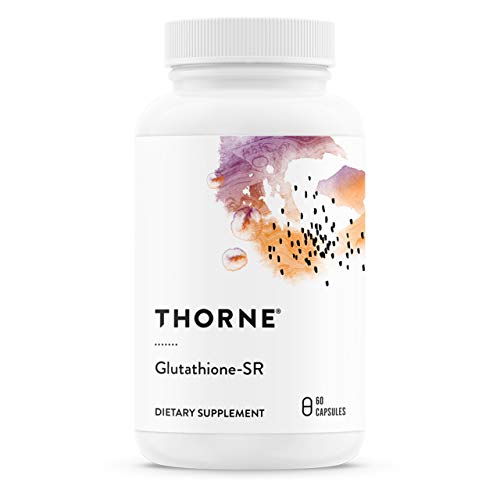
THORNE
Detox Antioxidant * Liver, Brain, Heart, Lung, Eye Support * Sustained Release


RHO NUTRITION
High Absorption * Longevity * Aging * Energy * Metabolism

THORNE
Liver Detox * Antioxidant * Nerve Support * Mental Sharpness

This article provides general information and discussions about health and related subjects. The information and other content provided in this blog, or in any linked materials, are not intended and should not be construed as medical advice, nor is the information a substitute for professional medical expertise or treatment.