

Summary:
- Eat antioxidant-rich foods, stay active, and moderate alcohol intake
- Supplement your diet with vitamin B12, folate, and choline
- Keep homocysteine levels low
- Take a high-quality multivitamin with a B complex
Solutions/Shop:
- Vitamin B12 Liquid
- Folate
- Choline
- Citicoline
- B complex
How to Protect Your Brain
With every passing year, our experiences, memories, and relationships shape our worldview. Wisdom truly does come with age. But let’s not sugarcoat it wondering how to protect your brain is natural. The brain also undergoes changes with age. The brain shrinks, blood flow often decreases, and neuron communication can become less effective.
Adopting healthy habits, like eating antioxidant-rich foods, staying active, and moderating alcohol intake, can safeguard your brain against cognitive decline and neurodegenerative diseases. If you’re wondering how to be proactive about brain health, here’s what you need to know.
Boost Your Brain Health with These Essential Nutrients
Research highlights three key compounds—vitamin B12, folate, and choline—that can offer extra protection for your brain when included in your diet. Let’s break down what these nutrients do and how they help.
Try: B12, Folate, Choline, Chlorophyll
Read more: How B Vitamins Boost The Gut…
Methylation: A Vital Brain Process
- Methylation in the brain involves DNA transcription, which assigns different functions to brain cells, aiding memory and learning
- Methylation is part of one-carbon (1C) metabolism, which is essential for cell growth and stress resistance
- Vitamin B12, folate (vitamin B9), and choline play a crucial role in methylating an amino acid called homocysteine which in high levels is linked to Alzheimer’s, stroke, and vascular dementia
Try: B12 + Folate
Read more: Biohacker: Nootropics and Psychedelics…
Protect your brain against cognitive decline with key nutrients like B12, folate, and choline—simple steps to enhance memory, learning, and long-term brain wellness.
Vitamin B12 and Folate: Supplements for Brain Health
Maintaining optimal B12 and folate levels can be challenging, especially with reduced animal protein intake or absorption issues. Low B12 levels can accelerate brain volume loss, particularly in those with high homocysteine levels.
Studies show that B12 and folate supplements can improve cognitive function, especially when used alongside standard dementia treatments. Individuals with mild cognitive impairment who took these supplements saw better cognitive scores and reduced inflammation.
Choline: The Memory Enhancer
Choline, though not a vitamin or mineral, is crucial for brain metabolism. Research shows that elderly individuals consuming 187 to 400 milligrams of choline daily had a significantly lower risk of cognitive impairment. Choline intake is also linked to better memory and learning abilities Citicoline, a popular choline-containing nootropic, can slow and even reverse cognitive decline
Protecting Your Brain: The Bottom Line
The easiest way to protect your brain as you age is to keep your homocysteine levels low. Ensure you’re getting enough B12, folate, and choline in their most absorbable forms (L-5-methyltetrahydrofolate for folate and methylcobalamin for B12).
Consider taking a high-quality multivitamin with a B complex. Your future self will thank you. For more tips on proactive brain health, incorporate these essential nutrients into your daily routine.
Read more: Secrets to Longevity Through Food

AZURE BIOGENICS
Concentration * Focus * Premium Mushrooms * Plant Based
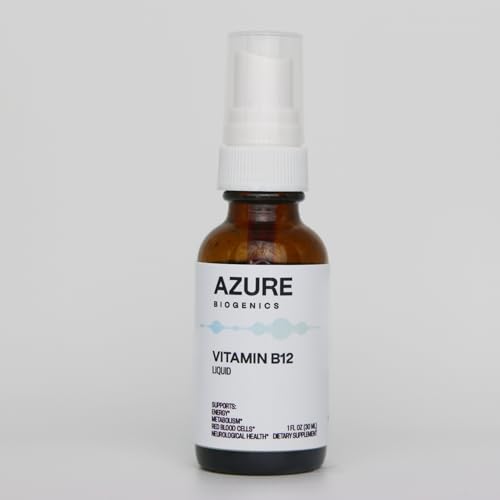
AZURE BIOGENICS
Energy * Nerves * Mood * Cognition * 500 mcg

THORNE
Methylation * Heart * Nerves * Sleep * Blood Cells

PURE ENCAPSULATIONS
Energy * Mood * Nervous System * Cognition

PURE ENCAPSULATIONS
G.I. Tract * Nervous System * Fetal Development * Cellular Support
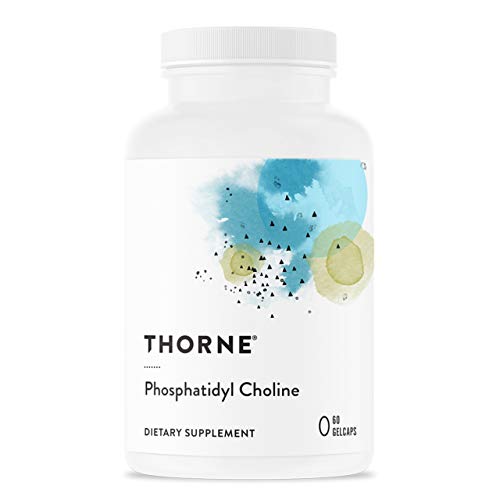
THORNE
Brain * Liver * Mood * Metabolism * Memory
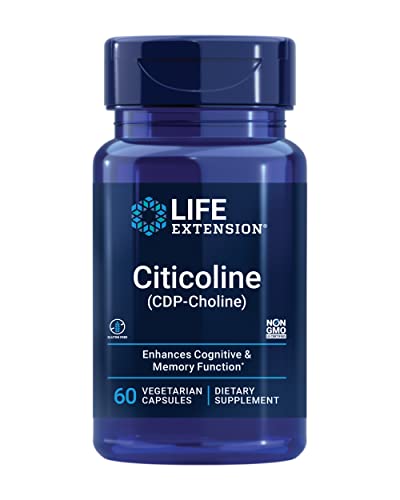
LIFE EXTENSION
Mood * Nerves * Brain * Cognitive * Focus * Memory

BENEVOLENT
Radiant Skin * Internal Deodorizer * Digestion
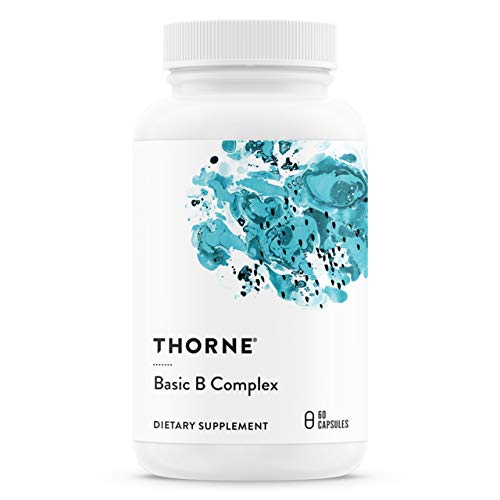
THORNE
Tissue-Ready * Choline * Energy * Brain * Red Blood Cell
This article provides general information and discussions about health and related subjects. The information and other content provided in this blog, or in any linked materials, are not intended and should not be construed as medical advice, nor is the information a substitute for professional medical expertise or treatment.