


If your sex drive has gone quiet and you can’t figure out why, it’s not you. It’s your cortisol.
Low libido in midlife is one of the most common things women over 40 experience, and one of the least talked about. You’re not broken. You’re not “just getting older.” Your body is responding to very specific, very fixable things: chronic stress, hormonal shifts, nutrient depletion, and poor sleep.
Here’s what’s actually going on, and a simple 30-day protocol to get your desire back without overhauling your entire life.
Shortcut version: lower cortisol, restore key nutrients, fix your sleep, reconnect with your body. That’s the whole protocol. Keep reading for exactly how to do it.
 KEY TAKEAWAYS:
- Chronic stress is the #1 libido killer: Elevated cortisol suppresses testosterone by up to 30% in women and men alike.
- Hormonal changes are normal; chronic low libido is not: Most cases trace back to fixable factors like stress, nutrient gaps, and poor sleep.
- Magnesium deficiency affects 50% of Americans: Without it, your nervous system can’t relax enough for desire to surface.
- One bad week of sleep disrupts sex hormones by 15%: Sleep is where testosterone is made. Protect it.
- You cannot feel desire in fight-or-flight mode: Your nervous system has to feel safe before arousal is even possible.
- Results start in 10 to 14 days: As cortisol drops and nutrients restore, natural desire returns.
- Supplements are optional: Lifestyle changes work on their own. Supplements accelerate the results.
QUICK START (Do This First):
- Start breathwork tonight: 5 minutes of 4-7-8 breathing before bed to begin lowering cortisol immediately.
- Add magnesium glycinate: 275-400mg before bed to calm your nervous system and improve sleep quality.
- Eliminate screens 60 minutes before bed: Blue light keeps cortisol elevated and directly blocks the conditions needed for desire.
- Talk to your partner (if applicable): Share that you’re addressing this physiologically. Scripts are below.
What’s Inside This Article
Quick summary: This article explains the real reasons libido fades in midlife and walks you through a practical, week-by-week 30-day protocol to restore desire without overwhelm or expensive treatments.
Why Libido Declines in Midlife (The Real Reasons)
Low libido in midlife is not inevitable aging. It’s a physiological response to specific, fixable factors. Here’s what’s actually happening inside your body.
The Cortisol-Testosterone Connection
Chronic stress keeps cortisol, your body’s primary stress hormone, running high. When cortisol stays elevated, it directly suppresses testosterone production in both women and men.
Some research suggests chronic stress may suppress testosterone levels by up to 30%. This is why telling yourself to “just relax” doesn’t work. It’s not a mindset problem. It’s a biochemical cascade.
Here’s the sequence:
- Your body reads stress as a survival threat
- Resources shift away from reproduction toward survival
- Testosterone production drops to conserve energy
- Desire disappears, not because you’re broken, but because your body is prioritizing staying alive
 KEY FACT:
Research indicates that just one week of poor sleep can disrupt sex hormone production by around 15%. Chronic sleep deprivation can reduce testosterone levels by up to 30%. Sleep is when your body makes testosterone. It’s not optional.
Hormonal Shifts in Perimenopause and Menopause
During perimenopause and menopause, several hormones shift in ways that directly affect desire.
Declining estrogen reduces natural lubrication, slows arousal response, and affects vaginal tissue elasticity. Declining progesterone reduces GABA, your brain’s primary calming neurotransmitter, making it harder to feel relaxed and present. And testosterone, the hormone most directly responsible for sexual desire, declines by roughly 50% between a woman’s 20s and age 50.
None of this is your fault. And most of it is addressable. [INTERNAL LINK: What Are Sex Hormones?]
Nutrient Deficiencies That Quietly Kill Desire
Your libido runs on nutrients. When key ones are depleted, desire is often the first thing to go.
- Magnesium (deficient in roughly 50% of Americans): Without it, your nervous system can’t shift out of fight-or-flight mode, even when you’re trying to be intimate.
- B12: Depletion leads to crushing fatigue by evening, which is exactly when intimacy tends to happen. Common in women over 40 and those on certain medications.
- Vitamin D: Affects hormone receptor function throughout your body and directly impacts testosterone production. Low D also tanks mood.
REAL TALK: If you’re exhausted by 8pm, wired but tired at midnight, and your doctor says your labs look fine, nutrient depletion is often the missing piece. This is incredibly common in our age group and almost never gets addressed at a standard checkup.
The Fight-or-Flight Factor
You literally cannot feel desire when your nervous system is in survival mode. This isn’t a willpower issue. It’s neurobiology.
Polyvagal theory explains it clearly: in a sympathetic (fight-or-flight) state, blood flow diverts away from reproductive organs, muscles tense, and the mind races. Arousal requires the opposite state: parasympathetic (rest and digest), where blood flow increases, muscles relax, and the mind calms.
If you’re chronically stressed, your nervous system simply cannot access the state required for desire. The solution isn’t to try harder. It’s to reset the system. [INTERNAL LINK: Exercise and Better Sleep]
The 30-Day Libido Reset Protocol
This isn’t about trying harder. It’s about giving your body what it needs, week by week.
Week 1: Lower Cortisol and Calm Your Nervous System
The goal: Shift out of chronic stress response so your body can begin producing sex hormones again.
Daily actions:
- Morning: 5-minute breathwork using the 4-7-8 technique (inhale 4 counts, hold 7, exhale 8, repeat 4-5 times)
- Midday: Consider Ashwagandha (optional). Clinically studied to reduce cortisol by up to 28%. Dose: 300-600mg daily.
- Evening: 3-minute wind-down ritual. Dim lights, stretch, journal, or meditate. You’re signaling safety to your nervous system.
- Bedtime: Screens off 60 minutes before sleep. Blue light suppresses melatonin and keeps cortisol elevated.
What to expect: Days 1-3, you’re building awareness. Days 4-7, slight energy improvement and a calmer stress response.
Week 2: Restore Nutrients and Optimize Sleep
The goal: Fill the nutritional gaps blocking hormone production and improve sleep quality.
Daily actions:
- Morning: Start your nutrient protocol: Vitamin D3+K2, B12, and any other targeted supplements
- Throughout the day: Add libido-supporting foods: dark chocolate (70%+ cacao), beets, pumpkin seeds, wild salmon
- Evening: Magnesium Glycinate 275-400mg, 60 minutes before bed
- Bedtime: Consistent sleep time, cool dark room (65-68 degrees), 7-9 hours
What to expect: Days 8-10, sleep quality improves noticeably. Days 11-14, more sustained energy and capacity for connection.
QUICK TIP:
Take magnesium glycinate at 8pm if you want to be asleep by 10pm. The timing matters as much as the dose.
Week 3: Boost Circulation and Reconnect With Your Body
The goal: Increase blood flow (essential for arousal) and rebuild body awareness.
Daily actions:
- Morning: 15-minute movement: yoga, walking, or strength training (which directly builds testosterone)
- Midday: Nitric oxide foods: beet juice, spinach smoothie, watermelon, dark leafy greens
- Evening: Partner communication practice (see scripts in Section 4 below)
- Before bed: Sensory reconnection: self-massage, noticing physical sensations without any goal attached
What to expect: Days 15-17, increased body awareness. Days 18-21, natural desire begins emerging, subtle but real.
Week 4: Integrate and Sustain
The goal: Make this sustainable and acknowledge how far you’ve come.
Daily actions:
- Continue the supplement and movement protocol from Weeks 2 and 3
- Practice presence throughout the day: notice moments of pleasure in taste, touch, warmth
- Weekly: review your tracker, celebrate what improved
What to expect: Days 22-26, desire feels more consistent. Days 27-30, you trust your body’s capacity again.
Want the complete protocol in one place?
The free 30-Day Libido Reset Guide has everything you need to follow this week by week.
Inside you’ll find:
- A daily tracker so you can see your progress in real time
- The exact supplement stack with doses and timing
- A libido-supporting grocery list (yes, food matters)
- Partner communication scripts you can actually use
This is the blueprint we wish someone handed us years ago. It’s yours, free.
You’ll get the guide immediately, plus a few emails with bonus tips. Unsubscribe anytime (but we think you’ll like it).
How to Choose Quality Supplements
Supplements are not mandatory for this protocol. But they do accelerate results. Here’s how to choose wisely so you’re not wasting money on underdosed products.
What to Look for on a Label
- Third-party tested: Look for USP, NSF, or ConsumerLab seals
- Transparent dosing: No proprietary blends. You should see exact amounts.
- Bioavailable forms: Magnesium glycinate (not oxide), methylcobalamin B12 (not cyanocobalamin)
- Clean label: No fillers, artificial ingredients, or things you can’t pronounce
- GMP-certified manufacturing: Ensures quality control and purity
Red Flags to Walk Away From
- Proprietary blends: You can’t see individual doses. This is a red flag, full stop.
- Magnesium oxide: Poorly absorbed (only about 4%) and notorious for digestive upset
- Under-dosed adaptogens: 100mg of ashwagandha when clinical studies use 300-600mg is not going to do anything
- Too-good-to-be-true pricing: High-quality ingredients cost money. Suspiciously cheap = low quality.
WHO SHOULD BE CAUTIOUS:
- Women on antidepressants or anti-anxiety medications (adaptogens may interact)
- Those with thyroid conditions (ashwagandha affects thyroid hormone levels)
- Women currently on HRT (inform your provider before adding supplements)
- Talk to your doctor if you have any autoimmune conditions or take prescription medications
One Stack We Trust: Azure Biogenics
We don’t recommend products based on commissions. We recommend them based on quality, ingredients, and whether we’d actually take them ourselves. The Azure Biogenics libido stack meets every standard on our label checklist.
We carefully research and select every product mentioned in this article based on quality, ingredients, and reviews, not commissions. Our mission is to simplify wellness for you, and we regularly update our recommendations to bring you the best options.
The stack:
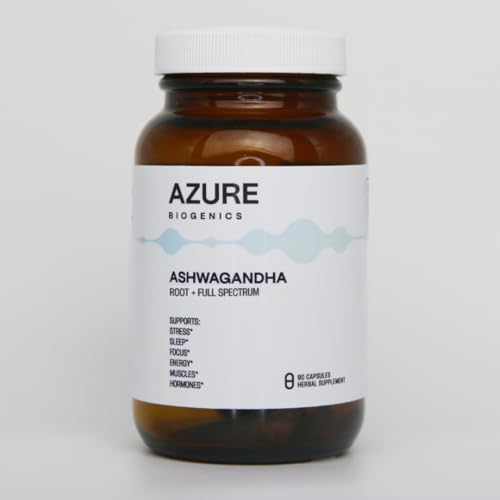
- Azure Biogenics Ashwagandha: 1 capsule daily. Clinically studied to reduce cortisol by up to 28% and support testosterone production.
- Azure Biogenics Magnesium Glycinate: 2-3 capsules (275-400mg) before bed. Calms the nervous system, improves sleep, and relaxes muscles. Highly bioavailable form.
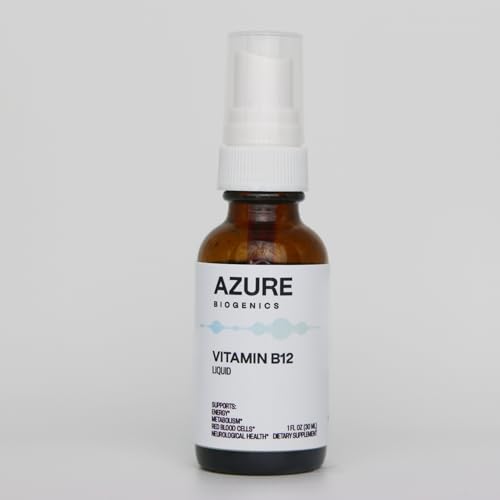
- Azure Biogenics B12 Methylcobalamin: 2 sprays (1000mcg). Restores energy, supports circulation and nerve function.
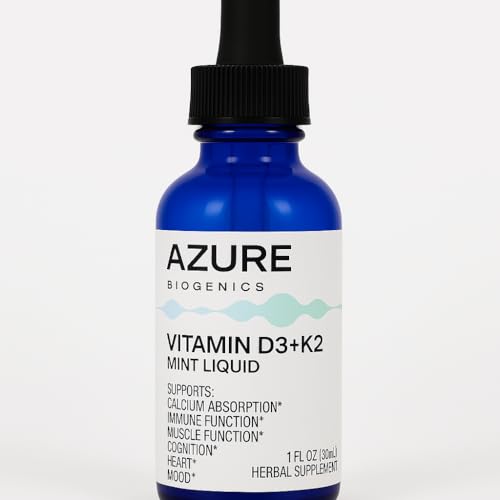
- Azure Biogenics D3+K2 Liquid Drops: 1/3 dropper (2000 IU D3 + 100mcg K2). Supports testosterone production, improves mood, directs calcium to bones instead of arteries.
- Azure Biogenics Maca Root: 1 scoop (optional). Traditionally used for libido support, may help balance hormones and support energy.
This stack works best alongside the lifestyle protocol above. It’s not a magic pill. It’s the shortcut that helps your body do what it’s already trying to do.
Lifestyle Strategies That Support Libido
You do not need supplements to improve your libido. These strategies work on their own and supercharge results when you add them to the protocol.
Stress Management That Actually Works
- Daily 4-7-8 breathwork (see Week 1 above)
- Boundary-setting: Saying no to non-essential commitments is a health strategy
- Evening wind-down ritual: Dim lights, no screens, signal safety to your nervous system
- 5-minute mindfulness practice: Even this small amount daily measurably reduces cortisol over time
Foods That Naturally Support Desire
Nitric oxide boosters (increase circulation and blood flow):
- Beets, beet juice
- Dark leafy greens: spinach, kale, arugula
- Watermelon
Hormone-supporting fats:
- Wild salmon
- Avocados
- Almonds and walnuts
Testosterone supporters:
- Oysters (high in zinc)
- Pumpkin seeds
- Pomegranate
Movement That Makes a Difference
- Strength training 2-3x per week: This is the most direct way to boost testosterone naturally
- Yoga: Hip openers, deep squats, and bridges specifically support pelvic floor health
- Moderate cardio: 20-30 minutes, 3-4x per week, improves circulation
- Walking: 10,000 steps daily supports blood flow throughout the body
How to Talk to Your Partner About This
This part matters. Silence creates distance. These scripts make it easier.
Opening the conversation: “I want to share something with you. My libido has been low lately, and I’m learning it’s connected to stress and hormones, not you or us. I’m working on it and I’d love your support.”
Setting expectations during the reset: “I’m doing a 30-day protocol to support my body. I may not feel desire right away, but I’m committed to getting there. Can we focus on connection without pressure for now?”
Asking for support: “It would really help if we could go to bed at the same time, or have screen-free evenings together. Would you be willing to try that with me?”
[INTERNAL LINK: Expression of Love] | [INTERNAL LINK: Secrets to a Lasting Marriage]FAQ — Frequently Asked Questions
Is low libido just a normal part of aging?
Hormonal changes are normal, but chronic low libido is usually caused by fixable factors like stress, nutrient deficiencies, and poor sleep, not aging itself. Many women restore desire completely by addressing these root causes.
How long until I see results from this protocol?
Many women notice energy shifts within 3-5 days. Libido changes typically emerge within 10-14 days as cortisol lowers and nutrients restore. Full results are usually evident by day 21-30.
Do I need to take supplements to see results?
No. Lifestyle changes alone can improve libido significantly. Supplements accelerate results but they’re completely optional. Start with stress management, sleep, nutrition, and movement first.
Will this protocol work if I have hormonal imbalances?
This protocol addresses common root causes and can support hormonal balance. If you suspect deeper issues like thyroid dysfunction or severe hormone deficiency, work with a functional medicine practitioner alongside these strategies.
Can I do this while on hormone replacement therapy (HRT)?
Yes, these strategies complement HRT well. Always inform your healthcare provider about any supplements you add so they can check for interactions with your current protocol.
Why does chronic stress suppress testosterone?
When your body is stressed, it prioritizes survival over reproduction. Cortisol directly inhibits the production of sex hormones including testosterone. It’s a protective mechanism: your body won’t focus on reproduction when it thinks you’re in danger.
What is the difference between magnesium glycinate and magnesium oxide?
Magnesium glycinate is chelated (bound to the amino acid glycine), making it highly absorbable and gentle on digestion. Magnesium oxide is poorly absorbed (only about 4%) and commonly causes digestive upset. Always choose glycinate for libido and sleep support.
What if my partner doesn’t understand why my libido is low?
Share this article with them. Education reduces defensiveness and builds empathy. Use the communication scripts in Section 4 to frame it as a health issue you’re addressing together, not a relationship problem.
What if I’ve tried everything and nothing works?
If you’ve followed this protocol consistently for 30 days with no improvement, consider comprehensive hormone testing like the DUTCH test or a full thyroid panel, and work with a functional medicine doctor to identify underlying issues.
Is low libido in midlife more common in perimenopause or postmenopause?
Low libido is common across both stages. During perimenopause, fluctuating hormones and increasing stress are often the main drivers. After menopause, lower estrogen and testosterone levels play a larger role. The root cause approach in this protocol applies to both.
Related Questions People Ask
How do you get your sex drive back after menopause?
Restoring sex drive after menopause typically involves lowering cortisol, addressing nutrient deficiencies (especially magnesium, B12, and vitamin D), improving sleep quality, and supporting circulation through movement. Most women see meaningful results within 2 to 4 weeks of a structured protocol.
What vitamins help with low libido in women?
Vitamin D3, B12, and magnesium glycinate are the most evidence-supported nutrients for supporting libido in midlife women. Vitamin D supports testosterone receptor function, B12 restores energy, and magnesium calms the nervous system so desire can surface.
Does ashwagandha increase libido in women?
Some research suggests ashwagandha may support libido indirectly by reducing cortisol levels, which in turn allows testosterone production to recover. It’s not a direct libido booster, but it addresses one of the most common root causes of low desire in midlife.
Can stress cause low libido in women?
Yes, and it’s one of the most common and underrecognized causes. Chronic stress elevates cortisol, which directly suppresses testosterone production. Without testosterone, desire simply doesn’t occur. Managing stress is not optional when it comes to restoring libido.
What foods increase female libido naturally?
Foods that support nitric oxide production (beets, dark leafy greens, watermelon), hormone-supporting fats (wild salmon, avocado, walnuts), and testosterone supporters (oysters, pumpkin seeds, pomegranate) all have evidence behind them for supporting female desire naturally.
Does low estrogen cause low libido?
Declining estrogen contributes to low libido by reducing natural lubrication, slowing arousal response, and affecting vaginal tissue. However, testosterone is the hormone most directly responsible for desire, and stress-driven cortisol suppression is often the bigger driver than estrogen alone.
Is low libido a sign of perimenopause?
Low libido is common during perimenopause, affecting an estimated 40-45% of women in midlife. It’s driven by fluctuating hormones, increased stress load, poor sleep, and nutrient depletion, all of which are addressable without waiting for perimenopause to end.
How does poor sleep affect sex drive?
Your body produces testosterone during deep sleep cycles. Just one week of disrupted sleep can reduce sex hormone production by around 15%, and chronic sleep deprivation can suppress testosterone by up to 30%. Fixing sleep is one of the highest-leverage moves you can make for libido.
Can exercise improve libido after 40?
Yes, particularly strength training, which is the most direct natural way to support testosterone production. Cardiovascular exercise improves circulation, which is essential for arousal. Even 15-20 minutes of movement daily makes a measurable difference in hormonal balance and energy.
What is the 4-7-8 breathing technique for stress?
The 4-7-8 technique involves inhaling for 4 counts, holding for 7, and exhaling for 8. Repeat 4-5 times. It activates the parasympathetic nervous system, lowering cortisol and shifting your body out of fight-or-flight mode. Five minutes before bed is enough to make a real difference.
You’re Not Broken. You’re Depleted.
Low libido in midlife is not a character flaw, a relationship problem, or the price of getting older. It’s a physiological signal that your body needs cortisol lowered, nutrients restored, sleep protected, and space to feel safe.
The 30-day protocol in this article gives you the exact roadmap. Start with the Quick Start steps above tonight. Add one more piece each week. By day 14, most women are already noticing a difference.
Send this to a friend who needs it. We got your back, sisters. Together we rise. As a community, we thrive.
Get the complete 30-day plan in one free download.
Ready to put this into practice? The guide has your daily tracker, supplement schedule, food list, and partner scripts, all in one place.
Shop This Article
We carefully research and select every product mentioned in this article based on quality, ingredients, and reviews, not commissions. Our mission is to simplify wellness for you, and we regularly update our recommendations to bring you the best options.
My Top Picks:
- Azure Biogenics Ashwagandha: Reduces cortisol, supports testosterone. 300-600mg daily.
- Azure Biogenics Magnesium Glycinate: Calms nervous system, improves sleep quality. 275-400mg before bed.
- Azure Biogenics B12 Methylcobalamin Spray: Restores energy and circulation. 2 sprays daily.
- Azure Biogenics D3+K2 Liquid Drops: Supports testosterone production and mood. 1/3 dropper daily.
- Azure Biogenics Maca Root: Traditional libido and hormone support. 1 scoop daily.
View the full Azure Biogenics Libido Stack on Amazon.
Want This in Your Inbox?
Get wellness tips like this delivered weekly, plus exclusive guides you won’t find on the blog.
Practical, research-backed advice for real women navigating real life. No fluff. No guru nonsense. Just what works.
Together we rise. As a community, we thrive.
Medical Disclaimer: This article provides general information and discussions about health and related subjects. The information provided is not intended and should not be construed as medical advice, nor is it a substitute for professional medical expertise or treatment. If you have a medical concern, consult your healthcare provider. Never disregard professional medical advice because of something you have read on this blog.
FTC Disclosure: This article contains affiliate links. We only recommend products we genuinely believe in.
References (Click to expand)
- Ranabir S, Reetu K. Stress and hormones. Indian Journal of Endocrinology and Metabolism. 2011.
- Leproult R, Van Cauter E. Effect of 1 week of sleep restriction on testosterone levels in young healthy men. JAMA. 2011.
- Chandrasekhar K, et al. A prospective, randomized double-blind, placebo-controlled study of safety and efficacy of a high-concentration full-spectrum extract of Ashwagandha root. Indian Journal of Psychological Medicine. 2012.
- Porges SW. The polyvagal theory: neurophysiological foundations of emotions, attachment, communication, and self-regulation. Norton. 2011.
- Thomas HN, et al. Female sexual function at midlife and beyond. Obstetrics and Gynecology Clinics of North America. 2018.
- Rosanoff A, et al. Suboptimal magnesium status in the United States: are the health consequences underestimated? Nutrition Reviews. 2012.
- El Khoudary SR, et al. The menopause transition and women’s health at midlife. Menopause. 2019.
We regularly update this article to bring you the best current information. Last updated: March 26, 2026
AZURE BIOGENICS
Stress * Anxiety * Memory * Focus * Immunity * Hormonal Balance

AZURE BIOGENICS
Muscle * Nervous System * Bones * Energy * Mood
AZURE BIOGENICS
Energy * Nerves * Mood * Cognition * 500 mcg
AZURE BIOGENICS
Bones * Immunity * Heart * Circulation

ANTHONY'S
Energy * Stamina * Balances Hormones * Mood
This content is for educational purposes only and is not intended to diagnose, treat, cure, or prevent any disease. Always consult your healthcare provider before starting any new supplement or wellness protocol. Individual results may vary. The information provided is based on scientific research and clinical experience but should not replace personalized medical advice.