

Why You Shouldn’t Ignore Low Testosterone
Low testosterone affects nearly 40% of men over 45, but it’s not inevitable. Testosterone impacts everything from energy and mood to bone density and heart health.
The good news? Natural approaches work. Through targeted nutrition, strategic exercise, stress management, and quality sleep, most men can improve their testosterone levels within 2-3 months.
Key Takeaways
- Testosterone does more than build muscle—it affects mood, cognition, bone health, and cardiovascular function
- Modern lifestyle factors (poor diet, stress, lack of sleep) are major contributors to declining levels
- Natural methods can produce meaningful results in 8-12 weeks
- Lab “normal” ranges have shifted lower, potentially masking legitimate concerns
- Evidence-based supplements like magnesium glycinate, ashwagandha, vitamin D3, and vitamin B-12 may support healthy levels
Quick Start: 3 Actions You Can Take Today
- Assess your symptoms – Track energy, mood, sleep quality, and libido for one week
- Add one resistance training session – Squats, deadlifts, or compound movements boost testosterone more than cardio alone
- Review your sleep schedule – Aim for 7-9 hours nightly; testosterone production peaks during deep sleep
Ready to dive deeper? Let’s explore what you need to know.
Table of Contents
What Is Testosterone and Why Does It Matter?
Testosterone is your body’s primary androgen hormone. While it’s often reduced to “the muscle hormone” or “the sex hormone,” that vastly undersells its role.
Beyond Muscle: The Full Role of Testosterone
Testosterone influences multiple body systems:
Physical health: Maintains bone density, supports muscle mass, regulates body fat distribution, and contributes to red blood cell production.
Cognitive function: Research links healthy testosterone levels to better memory, spatial ability, and processing speed (evidence: moderate).
Mood regulation: Low levels correlate with increased depression and anxiety risk. The relationship is complex, but meaningful (evidence: strong).
Cardiovascular health: Testosterone affects heart health, though the mechanisms are still being studied (evidence: mixed).
Read learn more about sex hormones and their broader impact on health.
Understanding Optimal vs. “Normal” Levels
Here’s where things get controversial.
Traditional reference ranges for total testosterone were 300-1,000 ng/dL. Some labs now consider levels as low as 264 ng/dL “normal.”
Free testosterone (the active form) ideally sits around 10-20 ng/dL, yet many labs now accept anything above 6 ng/dL.
What this means for you: A result labeled “normal” might still be suboptimal for your health and vitality. Context matters—age, symptoms, and trend over time all factor into the full picture.
What Are the Signs of Low Testosterone?
Low testosterone shows up differently for everyone. Some men experience obvious symptoms; others notice subtle changes that accumulate over time.
Physical Symptoms
Common physical signs include decreased muscle mass despite exercise, increased body fat (especially around the midsection), reduced strength and endurance, persistent fatigue unrelated to sleep, and decreased bone density.
Some men also experience changes in hair growth patterns or reduced facial/body hair.
Mental and Emotional Symptoms
The psychological impact can be significant. Many men report brain fog, difficulty concentrating, reduced motivation, increased irritability, mood swings, and feelings of depression or anxiety.
Low libido and erectile dysfunction are also common, though these can stem from multiple causes.
Feeling sluggish, moody, or just “off”? Your hormones might be signaling that something needs attention.
Read understanding hormonal imbalance in men can help you connect the dots.
When Symptoms Signal a Problem
Occasional low energy or temporary stress-related mood changes are normal. But persistent symptoms—especially multiple symptoms occurring together—warrant investigation.
If you’re experiencing three or more of these symptoms for several weeks or months, consider getting your levels tested.
Why Are Testosterone Levels Dropping in Modern Men?
This isn’t just an aging issue. Young men in their 20s and 30s are showing up with low testosterone at alarming rates.
The Modern Lifestyle Connection
Our daily habits create a perfect storm for hormonal disruption:
Sedentary behavior: Prolonged sitting and lack of physical activity signal to your body that it doesn’t need to maintain muscle mass or energy production. Your hormone production adjusts accordingly.
Poor dietary patterns: Ultra-processed foods, excessive sugar, and unhealthy fats interfere with hormone synthesis. Your body needs specific nutrients as building blocks for testosterone production.
Chronic stress: Elevated cortisol (your stress hormone) directly suppresses testosterone. When your body perceives constant threat, it prioritizes survival over reproduction and vitality.
Sleep deprivation: Testosterone production peaks during REM sleep. Consistently sleeping less than 7 hours cuts production significantly.
Environmental Factors
Endocrine disruptors are everywhere in modern life.
Plastics containing BPA and phthalates, pesticides in conventional produce, chemicals in personal care products, and heavy metals in water all interfere with hormone signaling.
These compounds mimic estrogen or block testosterone receptors, creating hormonal chaos even at low exposure levels.
The Age Factor vs. Lifestyle Factors
Yes, testosterone naturally declines about 1-2% per year after age 30. That’s normal.
But the dramatic drops we’re seeing aren’t normal aging—they’re lifestyle-driven.
A healthy 60-year-old should still have reasonable testosterone levels. The difference between “normal aging decline” and “modern lifestyle plummet” is significant.
Why Lab Ranges Are Shifting (And What That Means for You)
Here’s an uncomfortable truth: some laboratory reference ranges have quietly shifted lower.
What used to flag as clinically low now gets labeled “within normal range.” It’s like grading on a curve when the entire class is underperforming.
Historical standards: Total testosterone 300-1,000 ng/dL was the accepted range.
Current drift: Some labs now use 264 ng/dL as the lower threshold. Free testosterone standards have similarly relaxed.
This statistical adjustment might make population data look better, but it doesn’t help you feel better or optimize your health.
The takeaway: Don’t just accept “normal” results if you have symptoms. Ask for your actual numbers and track them over time.
How Can I Increase Testosterone Naturally? 7 Evidence-Based Strategies
You don’t have to accept declining testosterone as inevitable. These strategies have solid research backing (evidence strength noted for each).
1. Optimize Your Nutrition
Your diet provides the raw materials for hormone production.
Healthy fats are essential (evidence: strong). Testosterone is synthesized from cholesterol. Include avocados, nuts, olive oil, fatty fish, and eggs. These aren’t just “allowed”—they’re necessary.
Lean proteins support muscle maintenance (evidence: strong). Chicken, fish, grass-fed beef, and plant-based proteins help preserve muscle mass, which correlates with healthier testosterone levels.
Cruciferous vegetables aid hormone balance (evidence: moderate). Broccoli, cauliflower, Brussels sprouts, and kale contain compounds that may help metabolize excess estrogen.
Limit processed foods and sugar (evidence: strong). High sugar intake spikes insulin, which can suppress testosterone production.
Learn how hormonal balance affects overall health.
2. Move Your Body Strategically
Not all exercise impacts testosterone equally.
Resistance training wins (evidence: strong). Compound movements like squats, deadlifts, bench press, and rows produce the strongest hormonal response. Aim for 3-4 sessions per week.
High-intensity interval training (HIIT) helps (evidence: moderate). Short bursts of intense activity followed by rest can boost testosterone. Just don’t overdo it—excessive endurance training can actually lower levels.
Daily movement matters (evidence: moderate). Even 30 minutes of walking reduces stress and supports metabolic health, creating a better environment for hormone production.
Discover the connection between exercise and better sex to understand the broader benefits.
3. Master Stress Management
Chronic stress is testosterone’s enemy.
When cortisol stays elevated, testosterone production suffers. It’s a biological trade-off—your body can’t simultaneously be in “fight or flight” mode and “thrive and reproduce” mode.
Effective stress reducers (evidence: moderate to strong):
- Meditation and mindfulness practices
- Deep breathing exercises
- Yoga or tai chi
- Time in nature
- Journaling
- Regular social connection
Pick one or two that resonate with you. Consistency matters more than perfection.
4. Prioritize Quality Sleep
This is non-negotiable.
Sleep is when testosterone production peaks (evidence: strong). Men who sleep 5 hours or less show testosterone levels 10-15% lower than those who get 7-9 hours.
Sleep optimization strategies:
- Maintain consistent sleep and wake times (even on weekends)
- Create a dark, cool sleep environment (65-68°F ideal)
- Limit blue light exposure 1-2 hours before bed
- Avoid alcohol close to bedtime (it disrupts REM sleep)
- Consider blackout curtains and white noise if needed
Poor sleep creates a vicious cycle—low testosterone worsens sleep quality, which further lowers testosterone.
5. Consider Targeted Supplements
Supplements aren’t magic, but certain nutrients may support healthy testosterone levels when deficiencies exist.
Always consult a healthcare provider before starting any supplement regimen. Individual needs vary, and interactions with medications are possible.
Evidence-based options:
Vitamin D3 (evidence: moderate to strong) – Many men are deficient, especially in winter months. Vitamin D receptors are present in reproductive tissues. Pairing with K2 improves absorption.
Magnesium glycinate (evidence: moderate) – Supports sleep quality and has been linked to improved testosterone levels in active individuals. The glycinate form is gentle on digestion.
Zinc (evidence: moderate) – Essential for testosterone production, but only beneficial if you’re deficient. Excessive zinc can cause problems.
Ashwagandha (evidence: moderate) – This adaptogenic herb may help reduce stress and support healthy testosterone levels. Some studies show promising results in stressed men.
Vitamin B-12 (evidence: limited) – Important for energy production and general vitality, though direct testosterone effects are less clear.
Other options with varying evidence: Fenugreek (limited evidence), D-aspartic acid (mixed evidence), Organic Red Maca (traditional use, limited clinical evidence).
Quality matters. Look for third-party tested supplements from reputable manufacturers.
6. Reduce Toxin Exposure
Small changes add up.
Practical steps to limit endocrine disruptors:
- Replace plastic food storage containers with glass
- Avoid heating food in plastic (even “microwave-safe” varieties)
- Choose BPA-free products when plastic is necessary
- Select organic produce for the “Dirty Dozen” (high-pesticide foods)
- Review personal care products for phthalates and parabens
- Filter your drinking water
- Limit alcohol consumption (excessive intake lowers testosterone)
You can’t eliminate every exposure, but reducing the total load helps.
7. Get Regular Testing
You can’t manage what you don’t measure.
Baseline testing helps you:
- Confirm whether low testosterone is actually the issue
- Track whether your interventions are working
- Catch problems before they become severe
- Work with your healthcare provider on personalized strategies
Request comprehensive hormone panels, not just total testosterone. Free testosterone, SHBG (sex hormone binding globulin), estradiol, and other markers provide context.
Test in the morning when levels peak, and retest at the same time of day for accurate comparisons.
Want a Structured Approach?
Implementing these 7 strategies is easier with a plan. Get our free 30-Day Reset Guide with meal planning templates, resistance training routines, stress management protocols, sleep optimization checklist, supplement decision guide, and progress tracking tools.
GET YOUR FREE 30-DAY RESET GUIDE
What Foods Help Increase Testosterone?
Nutrition provides the foundation for healthy hormone production.
Healthy Fats
Your body makes testosterone from cholesterol. Don’t fear dietary fats—embrace the right ones.
Top sources: Wild-caught salmon, sardines, mackerel (omega-3 rich), avocados, extra virgin olive oil, nuts (especially Brazil nuts, almonds, walnuts), seeds (pumpkin, chia, flax), and eggs (including the yolks).
Omega-3 fish oil supplements can help if you don’t eat fish regularly.
Lean Proteins
Adequate protein preserves muscle mass and supports metabolic health.
Quality sources: Grass-fed beef, organic chicken and turkey, wild-caught fish, eggs, Greek yogurt, legumes, and tempeh.
Aim for 0.7-1 gram of protein per pound of body weight if you’re strength training.
Cruciferous Vegetables
These vegetables may help your body process estrogen more efficiently, maintaining better hormonal balance.
Include regularly: Broccoli, cauliflower, Brussels sprouts, kale, cabbage, and bok choy.
Foods to Limit
Minimize these testosterone disruptors:
- Excessive alcohol (more than 1-2 drinks daily)
- High-sugar foods and refined carbohydrates
- Trans fats and heavily processed vegetable oils
- Soy products in very large quantities (moderate amounts are fine for most men)
- Licorice root (contains compounds that can lower testosterone)
Focus on adding nutrient-dense foods rather than obsessing over elimination.
Do Supplements Actually Help Boost Testosterone?
The short answer: some do, in some people, some of the time.
That’s frustratingly vague, but it’s honest.
Evidence-Based Supplement Options
Supplements work best when addressing a specific deficiency or supporting a particular mechanism.
Vitamin D3 + K2 shows the strongest evidence. If you’re deficient (and many people are), supplementation can make a meaningful difference. Have your levels tested first.
Magnesium glycinate supports sleep quality and has been linked to improved testosterone in athletes. It also promotes relaxation and muscle recovery.
Zinc is essential for testosterone production, but only supplement if you’re deficient or at risk (vegetarians, athletes with high sweat loss). Too much zinc causes problems.
Ashwagandha shows promise in reducing stress-related testosterone suppression. Studies using 300-600mg daily for 8-12 weeks have shown positive results in stressed individuals.
Vitamin B-12 supports energy and vitality but has less direct evidence for testosterone specifically. Still valuable for overall health, especially for those following plant-based diets.
Fenugreek and D-aspartic acid have mixed evidence. Some studies show benefits; others don’t. They may help some individuals.
How to Choose Quality Supplements
Not all supplements are created equal.
Look for:
- Third-party testing (NSF, USP, ConsumerLab certifications)
- Transparent labeling (no “proprietary blends” hiding doses)
- Reputable manufacturers with good manufacturing practices (GMP)
- Appropriate dosing (therapeutic levels, not mega-doses or insufficient amounts)
Talk to your healthcare provider before starting supplements, especially if you take medications or have health conditions. Interactions are possible.
How Long Does It Take to Boost Testosterone Naturally?
Realistic expectations prevent frustration.
Timeline and Realistic Expectations
Natural testosterone optimization isn’t overnight magic. It’s a systematic process.
Week 1-2: Early changes focus on sleep quality, energy levels, and mood as stress begins to decrease and sleep improves.
Week 4-6: Some men notice improved exercise recovery, slightly better libido, and more consistent energy throughout the day.
Week 8-12: This is when measurable changes in testosterone levels typically appear on lab tests. Physical changes (muscle tone, body composition) become more noticeable.
3-6 months: Sustained improvements in strength, body composition, mood stability, and sexual function for most men who stay consistent.
Individual variation is significant. Your starting point, age, consistency, and specific interventions all influence timeline.
Signs Your Approach Is Working
Positive indicators before lab testing:
- Waking feeling more rested
- More stable energy through the day (fewer crashes)
- Improved workout performance and recovery
- Better mood and motivation
- Increased libido and sexual function
- Clearer thinking and focus
Physical signs:
- Gradual improvements in muscle tone
- Reduction in abdominal fat
- Stronger morning erections (a sign of healthy testosterone)
Track these subjectively in a journal. They provide valuable feedback between lab tests.
Not seeing results after 12 weeks of consistent effort? Time to work with a healthcare provider to investigate deeper issues.
Common Mistakes That Keep Testosterone Low
Avoid these testosterone-sabotaging errors.
Over-Exercising
More isn’t always better.
Excessive endurance training (marathon running, long daily cardio sessions) or overtraining without adequate recovery can actually suppress testosterone.
Your body interprets this as chronic stress, elevating cortisol and suppressing testosterone production.
The fix: Prioritize resistance training, include rest days, and keep cardio moderate (unless training for specific events).
Extreme Dieting
Severe calorie restriction or very low-fat diets tank testosterone levels.
Your body needs adequate calories and dietary fat for hormone production. Cutting too aggressively signals scarcity, prompting your body to shut down non-essential functions—including reproductive hormone production.
The fix: Maintain a modest calorie deficit if losing weight (no more than 500 calories below maintenance). Include healthy fats at every meal.
Ignoring Sleep
We’ve emphasized this, but it bears repeating: sleep is not negotiable.
Chronically short sleep (<6 hours) can lower testosterone as much as aging 10-15 years.
The fix: Treat sleep as a priority health behavior, not a luxury. Build your schedule around 7-9 hours of sleep opportunity nightly.
Chronic Stress Without Relief
Unmanaged stress keeps cortisol chronically elevated, directly suppressing testosterone.
Many men pride themselves on “handling stress,” but your body doesn’t distinguish between thriving and merely surviving.
The fix: Build stress-relief practices into your daily routine, not just when you’re at breaking point. Regular meditation, nature time, or social connection—pick something sustainable.
Learn more about building strong partnerships to reduce relationship-based stress.
Safety and Who Should Be Cautious
Natural approaches are generally safe, but important considerations exist.
When to Talk to a Healthcare Provider
Seek professional guidance if:
- You have symptoms of low testosterone that persist despite lifestyle changes
- You’re considering testosterone replacement therapy
- You have underlying health conditions (diabetes, heart disease, prostate issues)
- You’re taking medications that might interact with supplements
- Your symptoms are severe or rapidly worsening
- You’ve had abnormal lab results
Regular monitoring is important even with natural approaches. Work with a provider who understands hormone optimization, not just disease treatment.
Who Should Avoid Certain Approaches
Exercise caution with supplements if you:
- Have prostate issues or elevated PSA
- Are taking blood thinners (some supplements affect clotting)
- Have kidney or liver disease
- Are on medications for blood pressure, diabetes, or thyroid conditions
- Have a history of hormone-sensitive cancers
Ashwagandha is generally safe but should be avoided if you have thyroid disorders or are taking thyroid medication without medical supervision.
High-dose zinc (>40mg daily long-term) can interfere with copper absorption and immune function.
Resistance training should be approached cautiously if you have joint issues, heart conditions, or uncontrolled blood pressure. Work with a qualified trainer initially.
Supplement Interactions to Know
Common interactions:
- Magnesium can interfere with certain antibiotics and osteoporosis medications (take several hours apart)
- Vitamin D can interact with cholesterol-lowering statins
- Ashwagandha may enhance effects of sedatives or thyroid medications
- Omega-3s in high doses can increase bleeding risk if combined with blood thinners
Always disclose all supplements to your healthcare providers and pharmacists. What seems harmless can create problems in combination.
Frequently Asked Questions
What testosterone level is considered low?
Traditionally, total testosterone below 300 ng/dL is considered low, though some labs now use lower cutoffs. Free testosterone below 6-10 ng/dL also warrants attention. However, symptoms matter more than numbers alone. Some men feel terrible at 350 ng/dL while others function fine at 280 ng/dL. Context and individual variation are key.
Can stress really lower testosterone?
Yes, significantly. Chronic stress elevates cortisol, which directly suppresses testosterone production. It’s a biological trade-off—your body prioritizes immediate survival over long-term reproduction and vitality. This is why stress management is crucial for hormone health.
How long does it take to see results from natural methods?
Most men notice subjective improvements (better sleep, energy, mood) within 2-4 weeks. Measurable testosterone changes on lab tests typically appear at 8-12 weeks with consistent effort. Full benefits for body composition and strength often take 3-6 months.
Does magnesium help with testosterone?
Evidence is moderate. Magnesium supports sleep quality and has been linked to improved testosterone levels, particularly in athletes and active individuals. The glycinate form is well-absorbed and gentle on digestion. If you’re deficient, supplementation may help.
Can ashwagandha boost testosterone?
Research shows moderate evidence for ashwagandha’s benefits, particularly in reducing stress-related testosterone suppression. Studies using 300-600mg daily for 8-12 weeks have shown positive results in stressed men. It’s an adaptogenic herb that helps your body manage stress better.
What foods actually increase testosterone?
Foods rich in healthy fats (salmon, avocados, nuts, eggs), lean proteins (chicken, fish, grass-fed beef), and cruciferous vegetables (broccoli, cauliflower) support testosterone production. Zinc-rich foods (oysters, pumpkin seeds) and vitamin D-rich foods (fatty fish, egg yolks) also help. No single food is magic—overall dietary pattern matters most.
Does exercise increase testosterone?
Yes, particularly resistance training with compound movements (squats, deadlifts, bench press). Moderate-intensity cardio and HIIT also help. However, excessive endurance training or overtraining without adequate recovery can actually lower testosterone. Balance and recovery are key.
When should I see a doctor about low testosterone?
See a healthcare provider if you have multiple persistent symptoms (fatigue, low libido, mood changes, decreased muscle mass) despite lifestyle improvements, if symptoms are severe or rapidly worsening, if you have underlying health conditions, or if you’re considering testosterone replacement therapy. Regular monitoring is important even with natural approaches.
Is low testosterone dangerous?
Low testosterone isn’t immediately life-threatening, but it increases risks for several health issues: decreased bone density (osteoporosis risk), increased cardiovascular disease risk, metabolic syndrome and diabetes risk, depression and cognitive decline, and reduced quality of life. It’s worth addressing, not ignoring.
Can I boost testosterone without medication?
Many men can meaningfully improve testosterone levels through lifestyle optimization: resistance training 3-4x weekly, 7-9 hours of quality sleep nightly, stress management practices, nutrient-dense diet with adequate healthy fats, targeted supplementation for deficiencies, and reduced toxin exposure. These approaches work best for lifestyle-driven declines rather than primary medical conditions.
Your Next Steps: Taking Action Today
Low testosterone might be common in modern life, but it’s not inevitable.
You now have a science-based roadmap for natural testosterone optimization. The question isn’t whether you can improve your levels—it’s whether you will take consistent action.
Start here:
Pick one area to focus on this week. Maybe it’s adding resistance training, prioritizing 8 hours of sleep opportunity, or swapping processed foods for whole food options.
Small, sustainable changes compound over time.
Your vitality, energy, and overall well-being are worth the effort. You deserve better than accepting declining health as “normal.”
Get support: Download our free 30-Day Reset Guide for a structured approach to implementing these strategies. It includes meal planning templates, workout suggestions, stress management techniques, and tracking tools.
Beyond testosterone: Remember that hormone optimization is part of comprehensive wellness. READ: Explore how hormones affect relationships, discover secrets to lasting partnerships, and understand the broader context of hormonal health.
Take action today. Your future self will thank you.
DOWNLOAD THE FREE 30-DAY RESET GUIDE
We carefully research and select every product mentioned in this article based on quality, ingredients, and reviews—not commissions. Our mission is to simplify wellness for you, and we regularly update our recommendations to bring you the best options.
AZURE BIOGENICS
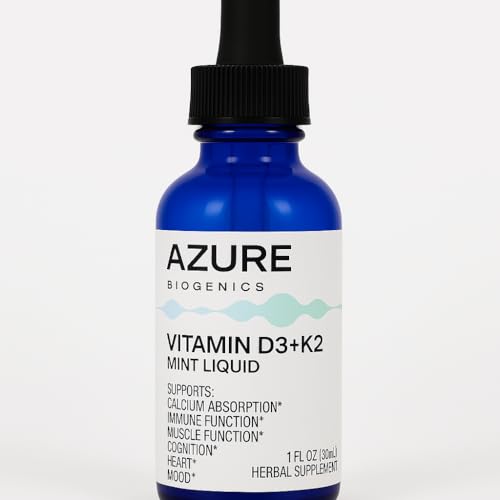
Bones * Immunity * Heart * Circulation

AZURE BIOGENICS
Muscle * Nervous System * Bones * Energy * Mood
AZURE BIOGENICS
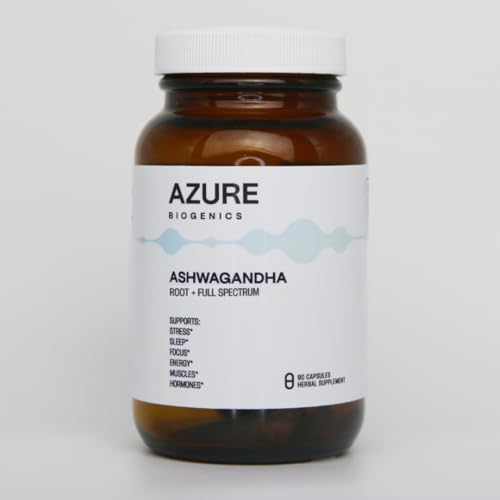
Stress * Anxiety * Memory * Focus * Immunity * Hormonal Balance

VIMERGY
Immunity * Antioxidant * Vision * Longevity * Skin * Memory

ANTHONY'S
Energy * Libido * Fertility * Stress * Balances Hormones * Focus

PURE ENCAPSULATIONS
Hormonal Balance * Energy * Mood * Bones * Immunity* Skin
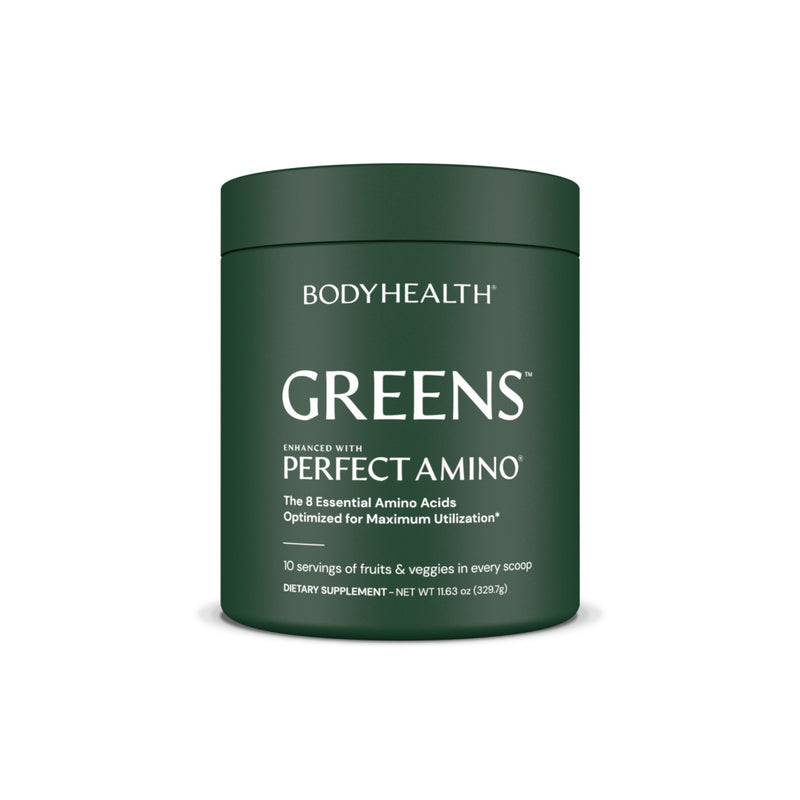
BODY HEALTH
Energy * Gut * Prebiotics * Adaptogens * Antioxidants
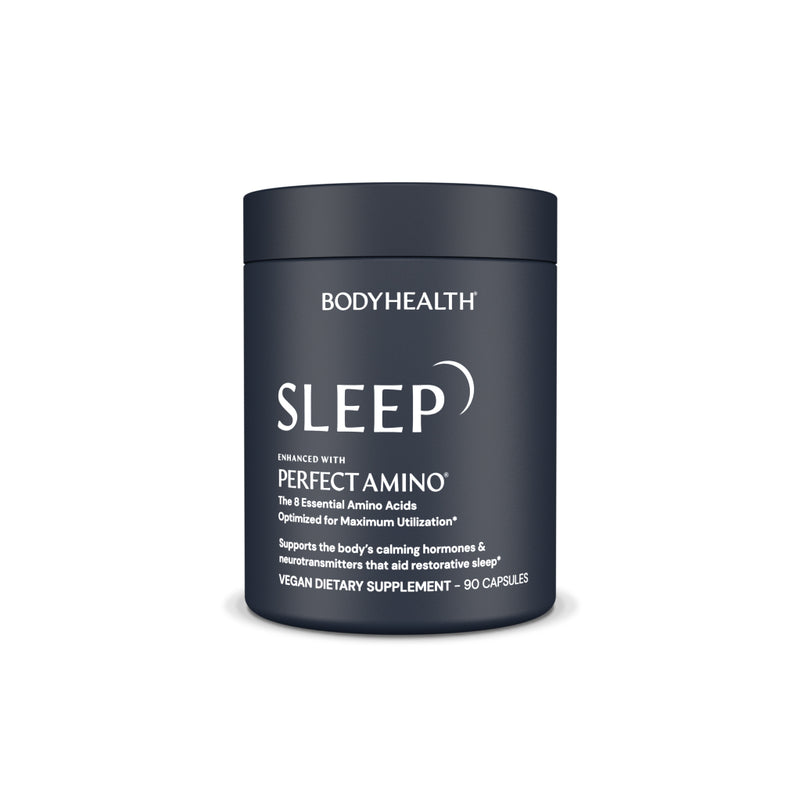
BODYHEALTH
Calmness * Sleep * Stress * Anxiety * 90 Capsules

SMARTYPANTS
Thyroid * Energy * Metabolism * Bones * Heart
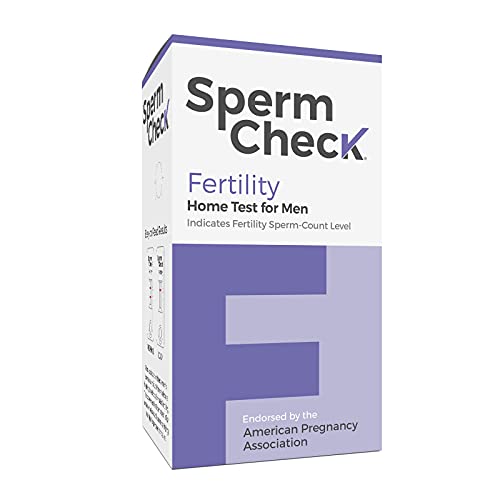
SPERM CHECK
Home Test * Easy to Read Results * Convenient * Accurate * Private

EVERLYWELL
At-Home Sample * 5-8 Day Results * Accurate * CLIA


- Rosner, W., Vesper, H., & Endocrine Society. (2010). Toward excellence in testosterone testing: A consensus statement. Journal of Clinical Endocrinology & Metabolism, 95(10), 4542-4548. https://doi.org/10.1210/jc.2010-1125
- Rosner, W., Auchus, R. J., Azziz, R., Sluss, P. M., & Raff, H. (2007). Position statement: Utility, limitations, and pitfalls in measuring testosterone: An endocrine society position statement. Journal of Clinical Endocrinology & Metabolism, 92(1), 196-202. https://doi.org/10.1210/jc.2006-1864
- Flegal, K. M., Carroll, M. D., Ogden, C. L., & Curtin, L. R. (2010). Prevalence and trends in obesity among US adults, 1999-2008. JAMA, 303(3), 235-241. https://doi.org/10.1001/jama.2009.2014
- Bhutani, S., & Cooper, J. A. (2010). Circadian disruption and obesity. Journal of Clinical Endocrinology & Metabolism, 95(10), 4542-4548. https://pubmed.ncbi.nlm.nih.gov/20926540
- Bornstein, S. R., Schuppenies, A., Wong, M. L., & Licinio, J. (2006). Approaching the shared biology of obesity and depression: The stress axis as the locus of gene-environment interactions. Molecular Psychiatry, 11(10), 892-902. https://doi.org/10.1038/sj.mp.4001873
- Dutton, G. R., Kim, Y., Jacobs, D. R., Li, X., Loria, C. M., Reis, J. P., & Carnethon, M. R. (2016). Dietary patterns and mortality risk in a nationally representative sample of U.S. adults. International Journal of Behavioral Nutrition and Physical Activity, 13(1), 17. https://doi.org/10.1186/s12966-016-0340-8
- Rapp, S. R., Legault, C., Espeland, M. A., Resnick, S. M., Hogan, P. E., Coker, L. H., ... & Women’s Health Initiative Memory Study. (2017). Subtype differences in dementia and cognitive impairment incident rates in a postmenopausal female cohort. Alzheimer's & Dementia, 13(6), 646-656. https://doi.org/10.1016/j.jalz.2016.11.007
- Scott, J. (2020, December 7). 11 natural ways to lower your cortisol levels. Healthline. Retrieved from https://www.healthline.com/nutrition/ways-to-lower-cortisol
- Bowden, B. (2018, February 8). Sugar is wreaking havoc on your hormonal health. Observer. Retrieved from https://observer.com/2018/02/sugar-is-wreaking-havoc-on-your-hormonal-health/
- Yudkin, J. S., & Stehouwer, C. D. A. (2002). Hyperinsulinemia and endothelial dysfunction. Journal of the American College of Cardiology, 42(10), 1871-1880. https://www.ncbi.nlm.nih.gov/pmc/articles/PMC1779501/
- Aro, A., Jauhiainen, M., Partanen, R., Salminen, I., & Mutanen, M. (1997). Stearic acid, trans fatty acids, and dairy fat: Effects on serum and lipoprotein lipids, apolipoproteins, lipoprotein(a), platelet aggregation, and blood pressure. American Journal of Clinical Nutrition, 65(5), 1419-1426. https://pubmed.ncbi.nlm.nih.gov/25551380/
- Spritzler, F. (2020, September 29). 7 foods high in trans fats and why you should avoid them. Healthline. Retrieved from https://www.healthline.com/nutrition/trans-fat-foods
- Calder, P. C. (2013). Omega-3 polyunsaturated fatty acids and inflammatory processes: Nutrition or pharmacology? British Journal of Clinical Pharmacology, 75(3), 645-662. https://www.ncbi.nlm.nih.gov/pmc/articles/PMC3335257/
- Abdelhamid, A. S., Brown, T. J., Brainard, J. S., Biswas, P., Thorpe, G. C., Moore, H. J., ... & Hooper, L. (2018). Omega-3 fatty acids for the primary and secondary prevention of cardiovascular disease. Cochrane Database of Systematic Reviews, 11, CD003177. https://www.ncbi.nlm.nih.gov/pmc/articles/PMC4808858/
- Ziegenfuss, T. N., Landis, J., Hofheins, J. E., Lemieux, R., & Lowery, L. (2010). Effects of a dietary supplement on anaerobic power production and muscular strength in healthy, college-aged men and women. Journal of the International Society of Sports Nutrition, 7(1), 31. https://doi.org/10.1186/1550-2783-7-31
- Charman, G. (2008, November 13). Chemical-based farming systems: Robbing us of nutrients. Permaculture News. Retrieved from https://www.permaculturenews.org/2008/11/13/chemical-based-farming-systems-robbing-us-of-nutrients/
- Yamada, K., & Hara, A. (2009). Nitrate in leafy vegetables: Current trends in levels and potential health risks. Agricultural Research Service. Retrieved from https://www.ars.usda.gov/ARSUserFiles/50701000/cswq-0426-yamada.pdf
- Gillam, C. (2010, January 1). Scientists find negative impacts of GM crops. The Non-GMO Report. Retrieved from https://nongmoreport.com/articles/jan10/scientists_find_negative_impacts_of_GM_crops.php%5B/su_spoiler
Disclaimer:This article provides general information and educational content about testosterone and hormone health. It is not intended as medical advice and should not replace consultation with a qualified healthcare provider. Always consult your doctor before starting any new supplement regimen, exercise program, or making significant dietary changes, especially if you are taking medications or have underlying health conditions. Individual results may vary.