

Summary:
- Hormonal fluctuations affect energy levels and mood
- Adjust your workout routine
- Follicular Phase: Optimal time for higher-intensity exercise
- Luteal and Menstrual phases: Opt for lighter-intensity exercise
Solutions/Shop:
- Oura Ring
- Fertility Management App
- Books: Cycles, In The FLO, and Period Queen
- Yoga: Mat, Blocks, Strap and Towel
How the Menstrual Cycle and Exercise Are Connected
Throughout the course of a month, people with menstrual cycles experience natural fluctuations in energy levels, mood, and motivation. These changes, influenced by hormonal shifts, can affect athletic performance and even the enthusiasm to work out. Fortunately, with the right knowledge and tools like Oura Ring, you can learn how to align your training with your cycle.
Oura members can access biometric data that informs daily habits and routines, helping them adjust workouts in line with their body’s changing needs. Specifically, the Cycle Insights feature in the Oura App helps accurately predict your period and determine your current cycle phase.
This personalized information offers deeper insight into how hormones affect workouts, so you can tailor exercise plans to your body’s specific needs and energy levels.
What Are the Phases of Your Cycle?
The menstrual cycle consists of two main phases:
- Follicular phase (including menstruation and ovulation): Day 1 to 14, beginning with your period.
- Luteal phase: Days 15 to 28, starting after ovulation.
Although the textbook cycle is often cited as 28 days, research shows that cycle lengths vary widely from person to person.
How Hormones Affect Workouts
Three main hormones drive menstrual cycle changes—progesterone, estrogen, and luteinizing hormone (LH). These hormones fluctuate throughout the month and influence everything from metabolism and sleep to muscle function and endurance.
Follicular phase: Estrogen and progesterone start low and gradually increase. LH surges just before ovulation, triggering egg release.
Luteal phase: Estrogen and progesterone rise and peak mid-phase before declining. The high progesterone levels affect muscle recovery, metabolism, and endurance.
Menstrual phase: Estrogen and progesterone hit their lowest point, which can cause lower energy levels and a drop in workout motivation.
Hormonal shifts impact neurotransmitter production, influencing serotonin and dopamine levels. When estrogen dips, mood and motivation may decline, affecting how much effort you feel like putting into exercise.
Best Exercises for Each Menstrual Phase
Follicular Phase (Including Ovulation)
- Best workouts: High-intensity interval training (HIIT), circuit training, and strength training.
- Why? Rising estrogen levels provide an energy boost, making this the ideal time for high-intensity and strength-building workouts.
- Science-backed insight: A study from Umeå University found that women experienced greater muscle gains when strength training during the follicular phase.
Luteal Phase
- Best workouts: Low-to-moderate-intensity cardio, yoga, Pilates, and light strength training.
- Why? Higher progesterone levels may cause fatigue, slower muscle recovery, and increased appetite.
- Considerations: High body temperature and increased cardiovascular strain may make high-intensity workouts feel harder. This is a good time to focus on steady-state cardio and recovery exercises.
Menstrual Phase
- Best workouts: Light aerobic exercise, stretching, yoga, and walking.
- Why? Energy levels may be lower, and symptoms like cramping and bloating can make intense workouts less appealing.
- Scientific evidence: A 2013 study found that light aerobic exercise during menstruation helped alleviate PMS symptoms and improved mood.
Cycle Syncing: Should You Modify Your Workouts?
Aligning training with your menstrual cycle may be beneficial if you experience PMS or hormone-related performance changes. However, factors like sleep, stress, and fitness levels also impact performance.
A 2020 meta-analysis in Sports Medicine reviewed 51 studies on menstrual cycle and exercise and found only minor performance reductions during menstruation. The conclusion? Exercise performance is highly individual, and a personalized approach is best.
OB-GYN and Oura medical advisor Dr. Christine Noa Sterling says, “Syncing workouts to your cycle is highly personal. If it works for you, great! But it’s not necessary for everyone.”
How to Align Your Training With Your Menstrual Cycle
Follicular Phase, Including Ovulation
At the start of the follicular phase, your hormones are at their low point. You may feel relaxed and potentially lethargic. However, by day five or six (roughly) your estrogen levels begin rising, and you should enjoy a burst of energy, making it a great time to do higher-intensity workouts.
A study published in 2014 conducted a trial with 20 women to investigate the effects of follicular phase-based strength training on muscle strength compared to luteal phase-based training. The researchers found that during the follicular phase, the women experienced a higher gain in muscle strength and size.
This led them to conclude that the follicular phase (including the ovulatory phase) is the optimal time in the menstrual cycle to focus on higher-intensity strength training, such as:
- High-intensity interval training (HIIT): Strength training (if you’re thinking about increasing the reps or weight, now’s a good time to do it!)
- Circuit training: Around ovulation, roughly the middle point of your cycle, is a good time to start increasing the load and intensity of your workouts. This is the prime time to put the work in!
Luteal Phase
After ovulation and leading up to menstruation, your estrogen levels will be low. You might experience a reduction in energy levels and motivation. The high levels of progesterone might also leave you feeling hungry, with low endurance. This is usually when PMS hits! You may experience less desire to exercise, and your body might may be signaling to you to slow down and take it easy.
Your basal body temperature, resting heart rate, and breathing rate rise during the luteal phase as a result of increased progesterone. Your Oura Ring will be tracking these metrics, as well as temperature changes throughout your cycle, to predict what phase your body is in and when to expect your period.
Due to higher cardiovascular strain during the luteal period, it’s an excellent time for lower-intensity workouts, such as:
- Low-to-moderate-intensity cardio
- Yoga
- Pilates
- Stretching
- Avoid heated classes, as they can put a strain on your already elevated body temperature.
Menstrual Phase
The menstrual phase is when you’ll have your period. The recommended type of exercise really depends on how you’ll feel because you may be experiencing PMS. Some women benefit from exercising during their period as a way to alleviate cramps and a low mood.
A 2013 study had a group of female participants engage in aerobic exercise three times per week during their periods to assess the severity of PMS. The researchers found that light to moderate aerobic exercise reduced PMS and the associated symptoms.
Further evidence points to the fact that movement can be greatly beneficial during this phase — here are five ways exercise can help you during your period:
- Exercise can increase feel-good neurotransmitters: When you exercise, feel-good neurotransmitters like endorphins, serotonin, and dopamine are released. This can combat the low levels of these chemicals during periods of low estrogen.
- Exercise can increase blood flow: Experiencing brain fog during your period? Exercise can help. Moving your body increases blood flow to your brain to combat brain fog and leave you with enhanced mental clarity.
- Reduce stress and anxiety: A study found that exercise reduced PMS symptoms physically and psychologically, helping to alleviate stress and anxiety. It’s important to note that the study asked participants to perform aerobic exercise, so doing HIIT may not elicit the same benefits! Gentle movement like aerobic exercise and yoga, have been shown in research to be the most effective in easing PMS symptoms like stress and anxiety.
Listen to Your Body
Regardless of your cycle phase, the best exercise routine is the one that works for you. Pay attention to how you feel, and adjust your workouts accordingly. If you notice patterns in energy levels and strength fluctuations, tracking your cycle alongside your workouts can be a useful strategy for maximizing performance and recovery.
Your Oura data can help you make informed training decisions. For instance, if cramps disrupt sleep, resulting in lower Readiness and Sleep Scores, it might be time to prioritize recovery-based movement instead of pushing through a high-intensity session.
By understanding how hormones affect workouts and tailoring exercises to different phases, you can make the most of your training while supporting overall well-being.
Your Oura data can help inform your training decisions. If your sleep has been affected by some painful cramps, for instance, your Sleep Score and Readiness Score may be lower, signaling it’s time to prioritize recovery.

OURA
Tracks 30+ Biometrics * Water Resistant * HSA/FSA

DAYSY
Fertility * Tracker * Non-Hormonal * Body Temp * Subscription Free

MANDUKA
6mm Cushion * Non-Slip * Eco-Friendly * 100% Latex-Free
MANDUKA
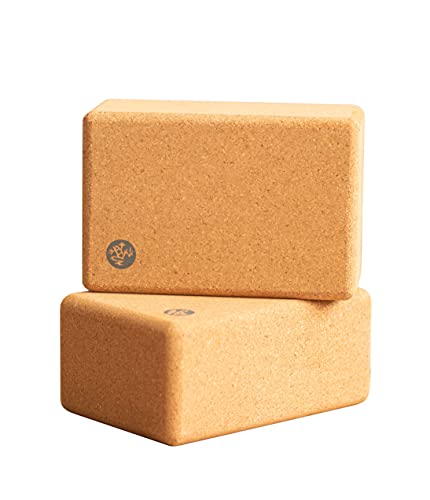
Firm Support * Sustainable * 100% Cork * 3"x4"x8.5" * Set of 2

MANDUKA
Secure * Slip-Free * Eco-Friendly * 1.75"x8' * Midnight Color
MANDUKA
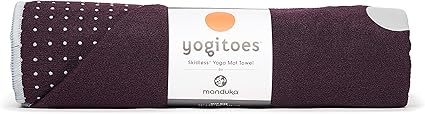
Lightweight * Microfiber * Non-Slip * 71 Inch * Indulge Purple


This article provides general information and discussions about health and related subjects. The information and other content provided in this blog, or in any linked materials, are not intended and should not be construed as medical advice, nor is the information a substitute for professional medical expertise or treatment.