
Summary:
- B Vitamins:
- Promote microbiome strain diversity and balance
- Play different roles in the gut
- Impact colonic health and metabolism
- Deficiency linked to poor
gut health - May need to be supplemented
Solutions/Shop:
The Second Brain
Ever wondered why your gut is often called your “second brain”? Well, here’s a nugget of wisdom: it’s not just about what you eat but also about what your gut bacteria eat. Enter the B vitamins – those tiny, powerhouse nutrients that play a colossal role in keeping your gut (and you) happy. Let’s dive into the fascinating world of B vitamins and discover how they are the unsung heroes of your
Read more: The Gut-Brain Connection, 7 Tips to a Healthy Gut, Probiotic Cheat Sheet
Books: Super Gut, Anti-Inflammatory Diet for Beginners
How B Vitamins Shape the Gut Microbiome
Although the gut microbiome is complex, we know the major influences on this ecosystem generally take place in two ways:
- Directly – the action of nutrients modulates its composition and activity.
- Indirectly – changes in gut physiology lead to changes in the ecosystem’s composition.
The B vitamins play a role in shaping the diversity and richness of the gut microbiota. Research is expanding on the role all vitamins play, not just the B vitamin complex, in directly influencing the microbiome, whether in sufficient, sub-optimal, or deficient amounts.
At the same time, the gut contains bacteria that can directly make or support the pathways to produce the B vitamins. In turn, this production contributes to the B vitamin levels our bodies need daily for cellular processes and to support the microbiome ecosystem.
Each of the B vitamins plays a specific, bi-directional role in influencing the ecosystem of the gut microbiome, stressing the importance of maintaining a healthy gut for optimal B vitamin synthesis and function.
Try: B Complex
The Roles of Specific B Vitamins in the Gut Microbiome
Here are tips on understanding the specific roles of each B vitamin in the gut microbiome:
- Thiamin (Vitamin B1): Synthesized by several bacteria in the gut, primarily by Prevotella and Desulfovibrio. Almost 90 percent of Bacteroides can biosynthesize thiamin. Thiamin directs the energy balance that controls immunity and metabolism and plays a role with intestinal-linked immune cells.
- Riboflavin (Vitamin B2): Primarily produced by gut microbiota in the large intestine. It is needed for the early development of the GI tract and is produced by bacteria such as Bacteroidetes and Fusobacteria.
- Niacin (Vitamin B3): Synthesized by intestinal bacteria from tryptophan, with several species of Bacilli, Clostridia, and Proteobacteria being niacin-synthesizing. It helps maintain the morphology of intestinal stem cells and contributes to the nutrition of the epithelial cells that line the colon.
- Pantothenic Acid (Vitamin B5): Produced in the gut by bacterial species such as Escherichia coli and Salmonella typhimurium. It supports the growth of Lactobacillus helveticus, which is related to the synthesis of fatty acids used for producing cellular energy.
- Vitamin B6: Produced by multiple microbes in the gut, including Bacteroides fragilis and Prevotella copri. A small study found that low dietary intake of vitamin B6 was associated with greater gastrointestinal distress, explained by its role in supporting a healthy balance of cytokines.
- Biotin (Vitamin B7): Produced by bacteria such as Bacteroides fragilis and Prevotella copri, but can be depleted by Lactobacillus murinus.
- Folate (Vitamin B9): Can be produced by many organisms that reside in the gut. Folate deficiency can alter intestinal cell structure and function.
- Vitamin B12 (Cobalamin): Although made by 20 percent of bacteria in the gut, it is needed by 80 percent of gut organisms for their metabolic reactions. Vitamin B12 supplementation has been shown to increase Prevotella but decrease Bacteroides.
Read more: What Is IBS, What Isn’t?, The Gut-Brain Connection, Probiotics, Prebiotics, and Microbiome Magic
Why You Should Supplement Your Gut Health with B Vitamins
Understanding what is necessary for
The easiest way to ensure you get enough B vitamins is through a balanced diet and, if necessary, supplements like a Basic B complex. This approach helps support your
gut health , maintain a diverse microbiome, and promote overall well-being.
In conclusion, your gut truly is a second brain, deeply connected to your overall health and well-being. The B vitamins play a critical role in supporting the gut microbiome, from influencing its diversity to assisting in vital cellular processes. Maintaining a healthy balance of B vitamins through diet and supplementation ensures that your gut ecosystem thrives, supporting not only digestive health but also your immunity, metabolism, and mental well-being. Prioritize your

THORNE
Tissue-Ready * Choline * Energy * Brain * Red Blood Cell

PURE ENCAPSULATIONS
Nervous System * Brain * B Vitamins * Non-GMO
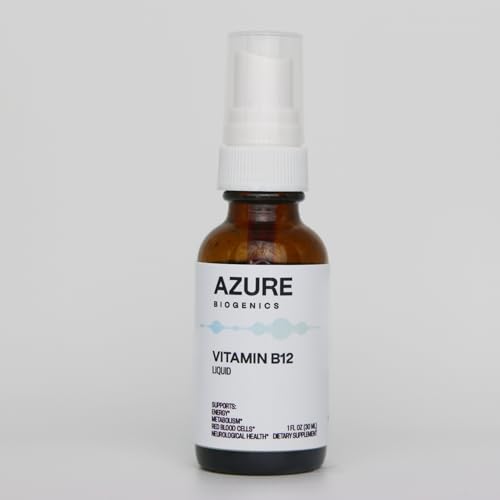
AZURE BIOGENICS
Energy * Nerves * Mood * Cognition * 500 mcg

PURE ENCAPSULATIONS
G.I. Tract * Nervous System * Fetal Development * Cellular Support

THORNE
Hair * Nails * Skin * 60 Capsules * Gluten Free


This article provides general information and discussions about health and related subjects. The information and other content provided in this blog, or in any linked materials, are not intended and should not be construed as medical advice, nor is the information a substitute for professional medical expertise or treatment.