

Summary:
- Men 40-75 who exercise have lower rates of ED
- Weight lifting can boost libido
- Some women can experience exercise-induced orgasms
- Post-workout is primetime for intimacy
- Exercise boosts circulation, testosterone, and endorphins
Start building healthier habits today
The Quick Answer
Regular exercise can significantly improve your sex life by increasing blood flow, boosting testosterone levels, reducing stress, and enhancing body confidence. Research shows that moderate cardiovascular and resistance exercise can improve sexual function, energy levels, and libido in both men and women.
The key is finding the right balance—moderate, consistent exercise enhances sexual health, while excessive high-intensity training may temporarily decrease libido.
Key Takeaways
- Cardiovascular exercise improves blood flow to sexual organs and overall stamina
- Strength training naturally boosts testosterone in both men and women
- Moderate exercise is ideal – 150 minutes weekly shows better results than extreme training
- Chronic intense endurance training may actually decrease libido in some individuals
- Exercise reduces stress hormones like cortisol that interfere with sexual desire
- Results typically appear within 4-8 weeks of consistent moderate exercise
- Pelvic floor exercises can enhance sexual pleasure and function
Quick Start: 3 Steps to Better Sex Through Exercise
- Start walking 30 minutes daily – Simple cardio improves blood flow immediately
- Add 2-3 strength sessions weekly – Focus on squats, deadlifts, and compound movements
- Practice pelvic floor exercises daily – 3 sets of 10 Kegels strengthen sexual muscles
Table of Contents
- What Is the Connection Between Exercise and Sexual Health?
- How Does Exercise Improve Libido and Sexual Performance?
- What Types of Exercise Are Best for Sexual Health?
- Can Too Much Exercise Hurt Your Libido?
- How to Use Exercise to Boost Your Sex Life
- Common Mistakes When Exercising for Better Sex
- What to Expect: Timeline for Results
- Supporting Sexual Health Beyond Exercise
- Safety Considerations
- Frequently Asked Questions
What Is the Connection Between Exercise and Sexual Health?
Physical fitness and sexual function are more closely linked than most people realize.
Your sexual health depends on the same systems that exercise improves: cardiovascular function, hormonal balance, mental health, and overall energy.
The Science Behind Exercise and Libido
Exercise modulates hormone levels including testosterone, cortisol, and endorphins, all of which play vital roles in sexual behavior and performance.
When you exercise regularly, your body responds by:
- Increasing blood flow throughout your body, including to sexual organs
- Producing more testosterone (in both men and women)
- Releasing endorphins that improve mood and reduce stress
- Lowering cortisol, a stress hormone that suppresses sex drive
How Physical Fitness Affects Sexual Function
Think of your cardiovascular system as the foundation for sexual response.
Enhanced blood flow and vascular tone from exercise transcends simple vasodilation—it improves endothelial function, energy levels, and the release of stimulatory neurotransmitters like dopamine, nitric oxide, and oxytocin.
These changes directly translate to:
For everyone:
- Better circulation to sexual organs
- Increased stamina and reduced fatigue
- Higher energy levels
- Improved body confidence
For men specifically:
- Stronger, more sustainable erections
- Better ejaculatory control
- Increased testosterone production
For women specifically:
- Enhanced genital blood flow and sexual arousal
- Increased natural lubrication
- Stronger pelvic floor muscles
Evidence Strength: MODERATE TO STRONG
Multiple systematic reviews and controlled studies demonstrate positive associations between regular moderate exercise and improved sexual function. The evidence is strongest for cardiovascular exercise improving erectile function in men and overall sexual well-being in both sexes.
Learn more about hormonal health in our guide: What Are Sex Hormones?
How Does Exercise Improve Libido and Sexual Performance?
Exercise affects your sex life through multiple interconnected pathways.
Increased Blood Flow and Circulation
Sexual arousal and function depend heavily on blood flow.
When you exercise, your heart gets stronger and better at pumping blood, delivering oxygen and nutrients to muscles and organs more effectively.
For sexual function, this means:
- Easier arousal and physical response
- Stronger erections in men
- Enhanced sensitivity and pleasure for all genders
- Better endurance during sexual activity
The same cardiovascular health that prevents heart disease also supports robust sexual function.
Testosterone and Hormone Regulation
Testosterone plays a crucial role in sexual desire and function.
Here’s what happens hormonally when you exercise:
Immediate effects (during/after workout):
- Testosterone levels temporarily rise
- Growth hormone increases
- Cortisol initially rises then falls
Long-term effects (with consistent training):
- Improved baseline testosterone levels
- Better hormone sensitivity
- Reduced chronic stress hormones
Both men and women produce testosterone. Women have testosterone in smaller amounts, and it plays a role in female sex drive too.
Stress Reduction and Mood Enhancement
Stress is one of the biggest libido killers.
Exercise triggers the release of endorphins and other natural “feel good” chemicals, helping reduce stress and anxiety.
When stress decreases, several things happen:
- Cortisol levels drop (cortisol suppresses sex hormones)
- Mental space opens up for intimacy
- Anxiety around sexual performance decreases
- Overall mood and energy improve
Body Confidence and Self-Esteem
Feeling good about your body directly impacts sexual confidence.
Regular exercise:
- Improves body composition
- Increases muscle tone
- Enhances physical capabilities
- Creates a positive feedback loop of achievement
You don’t need to look like a fitness model. The confidence boost comes from feeling stronger, more capable, and more in control of your health.
Energy and Stamina Improvements
Sexual activity requires physical stamina.
Exercise builds both cardiovascular endurance and muscular strength, meaning you’ll:
- Have more energy for intimacy
- Experience less fatigue during sex
- Recover faster between sessions
- Feel more physically capable overall
For more on how hormonal balance affects men’s health, check out our comprehensive guide.
Ready to optimize your routine?
Download the Free 30-Day Reset Guide
Complete exercise plans and nutrition tips included
What Types of Exercise Are Best for Sexual Health?
Not all exercise affects sexual function equally.
The best approach combines multiple types of movement.
Cardiovascular Exercise for Blood Flow
Cardio is foundational for sexual health.
Best cardiovascular exercises:
- Walking – 30-60 minutes daily, moderate pace
- Running/Jogging – 20-30 minutes, 3-4 times weekly
- Cycling – 30-45 minutes, varied intensity
- Swimming – Full-body workout with low joint impact
- Dancing – Combines cardio with fun and partner connection
Why cardio works:
- Strengthens heart and blood vessels
- Improves nitric oxide production (critical for erections)
- Reduces blood pressure
- Enhances overall endurance
Aim for 150 minutes of moderate cardio weekly for optimal sexual health benefits.
Strength Training for Testosterone
Resistance training directly influences hormone production.
Most effective strength exercises:
- Squats – Engage legs, glutes, and core; major testosterone booster
- Deadlifts – Full-body tension and muscle activation
- Bench Press – Upper body strength and hormone response
- Rows – Back strength and improved posture
- Hip Thrusts – Maximum glute activation
Strength training protocol for sexual health:
- Frequency: 2-3 sessions per week
- Intensity: Moderate to high (challenging but sustainable)
- Sets/Reps: 3-5 sets of 5-10 reps
- Rest: 60-90 seconds between sets
- Focus: Multi-joint, compound movements
Pelvic Floor Exercises (Kegels)
Often overlooked, pelvic floor strength is crucial for sexual function.
How to do Kegels properly:
- Locate your pelvic floor muscles (same muscles you use to stop urination)
- Tighten these muscles for 5 seconds
- Relax for 5 seconds
- Repeat 10-15 times
- Do 3 sets daily
Results you may notice:
- Stronger orgasms
- Better ejaculatory control (men)
- Increased sensitivity
- Improved bladder control
Supporting Sexual Health Beyond Exercise
Exercise is powerful but works best as part of a comprehensive approach.
Supplements That May Help
Certain supplements show promise for supporting sexual health when combined with exercise.
Important disclaimer: Always consult your healthcare provider before starting new supplements, especially if you take medications or have health conditions.
We carefully research and select every product mentioned in this article based on quality, ingredients, and reviews—not commissions. Our mission is to simplify wellness for you, and we regularly update our recommendations to bring you the best options.
Magnesium Glycinate
Magnesium plays a crucial role in maintaining healthy testosterone levels and improving sexual function.
How it may help:
- Supports nitric oxide production for blood vessel relaxation
- Reduces stress and promotes better sleep
- May help boost testosterone levels
- Supports nerve and muscle function
Product recommendation: Magnesium Glycinate – High-potency formula that supports relaxation and recovery
Vitamin D3+K2
Vitamin D deficiency is linked to lower testosterone levels.
How it may help:
- Supports testosterone production
- Enhances muscle strength and recovery
- Improves mood and energy
- Supports immune function
Product recommendation: Vitamin D3+K2 – Bioavailable liquid formula with optimal D3 and K2 ratio
Ashwagandha
An adaptogenic herb with research supporting stress reduction and hormonal balance.
How it may help:
- Reduces cortisol (stress hormone)
- May support testosterone levels
- Improves stress resilience
- Enhances sleep quality
Product recommendation: Ashwagandha – Organic full-spectrum formula supporting stress, energy, and hormones
Vitamin B-12
Essential for energy production and nerve function.
Product recommendation: Vitamin B-12 Liquid Spray – Fast-absorbing liquid formula for superior bioavailability
Omega-3 Fatty Acids
Essential fats supporting cardiovascular and overall health.
Product recommendation: Omega-3 Fish Oil – High-potency EPA/DHA ultra-purified formula
Additional supportive supplements:
- For women: Women’s Probiotic – Supports vaginal and overall health
Safety Considerations and Who Should Be Cautious
Exercise is safe for most people, but certain conditions require medical clearance.
When to Talk to Your Doctor Before Starting
Consult your healthcare provider if you have:
- Heart disease or history of heart attack
- High blood pressure (especially if uncontrolled)
- Diabetes
- Joint problems or arthritis
- Chronic health conditions
- Are over 40 and previously sedentary (men)
- Are over 50 and previously sedentary (women)
For more on recognizing and addressing hormonal issues, read about hormonal imbalance in men.
Frequently Asked Questions About Exercise and Libido
Does exercise increase libido in women?
Yes, both acute and chronic exercise have positive effects on sexual function in women, with research showing improved desire, arousal, lubrication, orgasm, satisfaction, and reduced pain. The benefits come from improved blood flow, stress reduction, body confidence, and hormonal balance.
How much exercise do I need for better sex?
Research suggests approximately 150 minutes of moderate cardio weekly plus 2-3 strength sessions—about 4-6 total hours per week. This appears to be the ideal amount for sexual health benefits.
Can exercise help with erectile dysfunction?
Yes, systematic reviews show that aerobic exercise is a promising non-pharmacological therapy for enhancing erectile function in men. Exercise improves the cardiovascular health and blood flow essential for erections. However, severe ED may require medical treatment.
Can too much cardio lower libido?
Yes, excessive endurance training can decrease libido. Studies show 65% of men exercising more than 10 hours weekly reported low libido, compared to only 10% of those exercising 4-6 hours weekly. The key is moderation.
How long before I see improvements in my sex life?
Most people notice initial energy and mood improvements within 1-2 weeks. Meaningful libido changes typically appear at 4-8 weeks with consistent exercise. Significant improvements in sexual function generally take 2-3 months.
Conclusion: Moving Toward Better Sexual Health
Your sex life and fitness are deeply connected.
Regular, moderate exercise offers one of the most powerful natural approaches to enhancing libido and sexual function—without medications or invasive treatments.
The key takeaways:
- Start with moderate cardio and build gradually
- Add strength training 2-3 times weekly for hormonal benefits
- Include pelvic floor exercises daily
- Avoid overtraining—more is not always better
- Support exercise with good nutrition, sleep, and stress management
- Give yourself 6-8 weeks to see meaningful results
Sexual health is a reflection of overall health. When you invest in fitness, you’re investing in every aspect of your wellbeing—including intimacy and connection.
Start today with simple, sustainable changes. Your future self—and your partner—will thank you.
Ready to Create Lasting Change?
🎯 Download Your Free 30-Day Reset Guide
Get a complete 30-day plan with exercise routines, nutrition tips, and daily action steps to transform your health and vitality.
100% Free • No Credit Card • Privacy Protected
Last Updated: January 2026
Check out our Instagram content on this topic: The Workout-Sex Connection
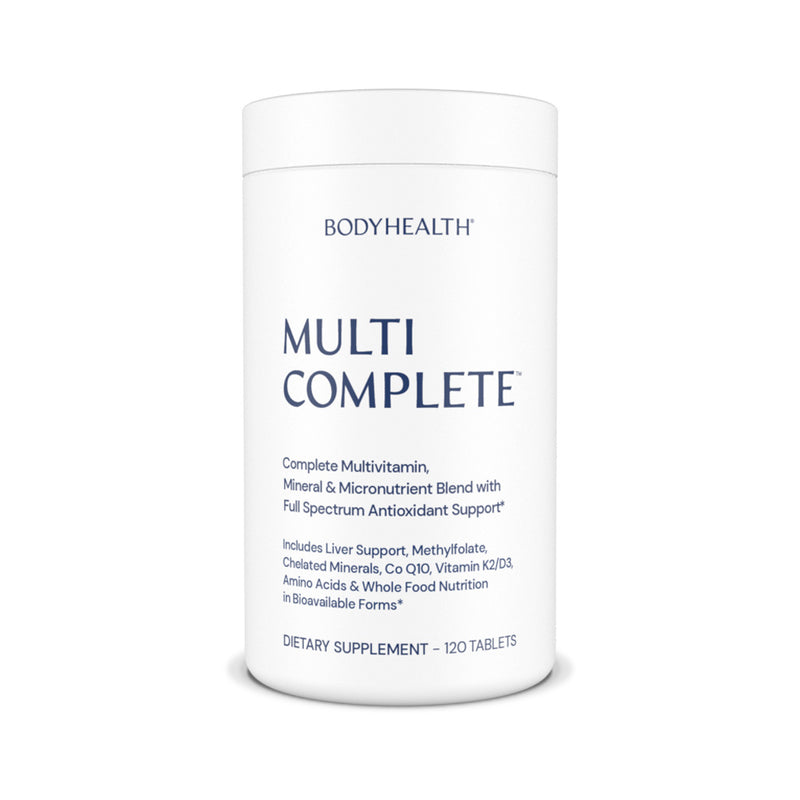
BODYHEALTH
Immunity * Detox * Antioxidants * Energy * Gut * Mood

DRINK LMNT
Hydration * Powder * No Filler * Keto * Paleo
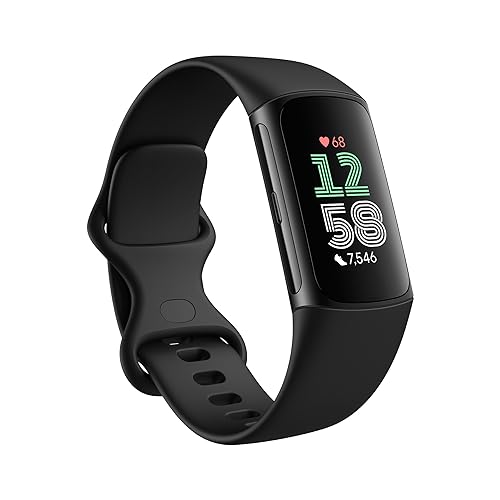
FITBIT
Fitness Tracker * 40+ Modes * Built-in GPS * Sleep Score * Smart Alerts

IRON GYM
Adjustable * No Screws * Portable * Doorway * Upper Body

PROSOURCEFIT
Doorway Mount * Adjustable * 24"-39" * Comfort Grips * 220lbs




This article provides general information and discussions about health and related subjects. The information and other content provided in this blog, or in any linked materials, are not intended and should not be construed as medical advice, nor is the information a substitute for professional medical expertise or treatment.