
Summary:
- Psilocybin:
- Potentially impact depression, OCD, and substance use disorders
- Most compelling evidence in depression treatment
- Has a commendable safety profile
Solutions/Shop:
Science and Nature Converging
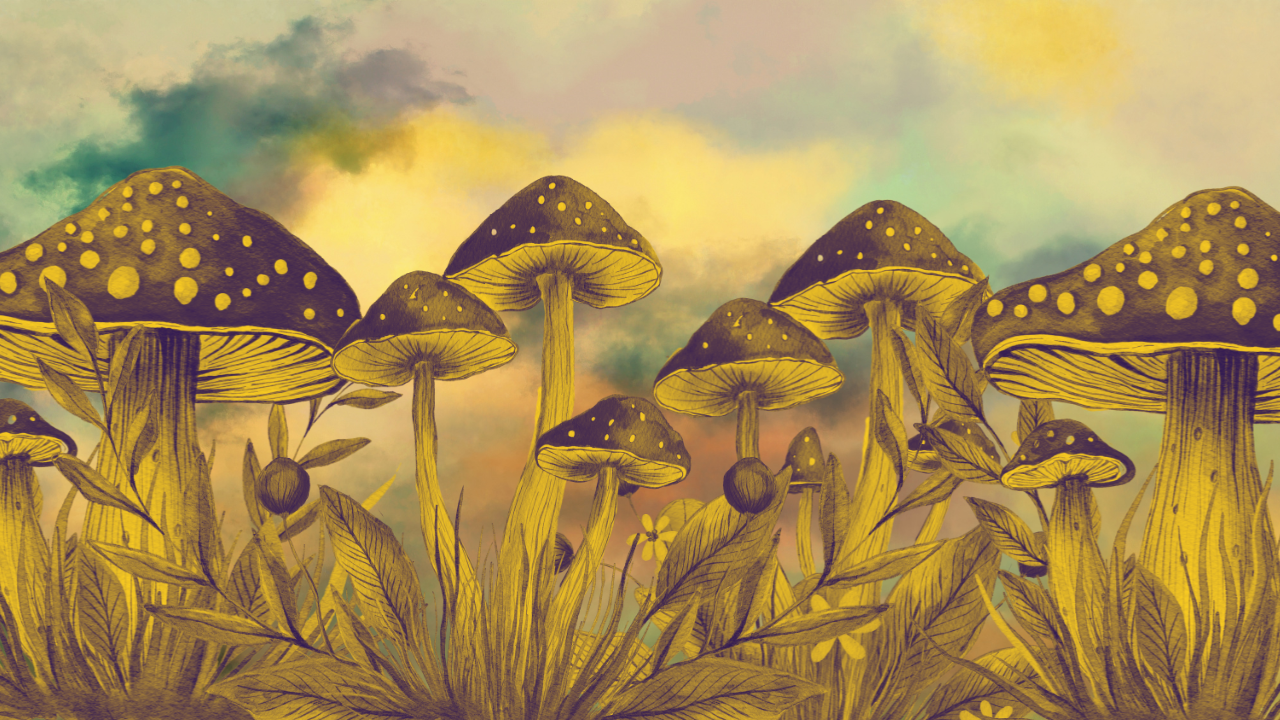
Imagine a world where the key to supporting the mind lies not in conventional pharmaceuticals, but in nature’s own remedies. Natural remedies and science are beginning to converge, offering a new path to the potential treatment of mental health disorders. This could be the future of psilocybin, a compound that has journeyed from ancient shamanic rituals to the forefront of contemporary psychiatric research.
Read more: Psychedelic Therapy Research: The Potential to Transform Mental Health Care
Books: A Dose of Hope: A Story of MDMA- Assisted Psychotherapy
Background on Psilocybin
Psilocybin, the compound derived from certain mushrooms, has captivated the curiosity of scientists and adventurers alike since it was first isolated in 1958. Acting primarily as an agonist for specific brain receptors, this substance was soon restricted, halting its study for decades. Fast forward to today, and we are witnessing a psychedelic renaissance that could unlock psilocybin’s profound potential.
Psilocybin Clinical Trials
In the quest to uncover psilocybin’s therapeutic potential, this review examines close to 9 high-caliber studies. These studies were handpicked based on rigorous eligibility criteria, each assessing psilocybin’s impact on psychiatric disorders.
Read more: The Potential of Psychedelics: MDMA’s Use for Mental Health Treatment
Books: Good Chemistry: The Science of Connection, From Soul to Psychedelics
Psilocybin, once confined to ancient rituals, is now at the forefront of modern psychiatric research, showing promise in treating depression, OCD, and substance use disorders. With a commendable safety profile and transformative outcomes highlighted in clinical trials, psilocybin represents the convergence of science and nature, opening a new era in mental health care.
Findings resonated deeply with the potential of transformation. The spotlight was cast on three primary disorders: depression, obsessive-compulsive disorder (OCD), and substance use disorder (notably tobacco and alcohol addiction). Psilocybin showcased a commendable safety profile and remarkable outcomes. The most compelling evidence shone through the studies on depression, bolstered by three randomized controlled trials that underscored its potential. While studies on OCD and substance use disorders were more limited, often due to their open-label designs, they still suggested psilocybin holds great potential for use with those disorders.
Read more: What Is Microdosing? Potential Benefits for Mental Clarity, Mood, and Creativity
Books: How to Change Your Mind: What the New Science of Psychedelics Teaches Us…
Future Directions for Psilocybin Research
The collective knowledge gleaned from these studies unveils psilocybin’s substantial promise. To truly understand and harness psilocybin’s potential, more research is essential. As we stand on the cusp of a new era in mental health treatment, psilocybin beckons us to continue this journey of discovery and to embrace the profound well-being it may offer.
Feel the thrill of possibility and the power of knowledge. Dive into the world of psilocybin and join the movement to redefine mental health wellness.


https://journals.sagepub.com/doi/abs/10.1177/0269881114565144
This article provides general information and discussions about health and related subjects. The information and other content provided in this blog, or in any linked materials, are not intended and should not be construed as medical advice, nor is the information a substitute for professional medical expertise or treatment.