


Summary:
- Practice calorie restriction/intermittent fasting
- Regular exercise
- B vitamins, coenzyme Q10, and alpha-lipoic acid
- Quality sleep
- Manage stress
- Use sunlight, red/near-infrared light, & cold/heat exposure
Solutions/Shop:
Why Are Mitochondria So Important?
If you’re curious about how to improve mitochondrial function, look no further than mitochondria. Think of these microscopic structures as your body’s personal energy plants. They’re responsible for breaking down nutrients to create cellular energy in the form of ATP (adenosine triphosphate)—the fuel for nearly every function we depend on. In fact, mitochondria generate about 90% of the ATP our bodies need.
When mitochondria work optimally, our cells function smoothly, supporting everything from muscle movement to mental clarity. Understanding how to improve mitochondrial function is key to maintaining optimal energy levels and overall health. But when they’re compromised, damage accumulates, and cellular processes gradually break down.
Read more here: Why Is Everyone Talking About Mitochondria?
How to Improve Mitochondrial Function as You Age
When mitochondria become less efficient, they produce more reactive oxygen species (ROS)—byproducts that can damage cells if left unchecked. Over time, this creates a snowball effect that disrupts essential processes throughout the body, affecting everything from metabolism to cellular repair. Supporting mitochondria as we age helps keep cells resilient and may slow down this accumulation of damage over the years.
Read more here: Increase Energy…, How to Increase Your Healthspan…, Secrets to Longevity Through Food
Books: Forever Strong…, How Not to Die…, Boundless…
Best Ways to Boost Mitochondria Naturally for Energy and Longevity
Calorie Restriction: A Key Strategy to Improve Mitochondrial Function
If you’re looking for ways to boost mitochondria naturally, reducing calorie intake through intermittent fasting or other fasting methods is one of the best strategies. Calorie restriction acts as a stress signal to the mitochondria, prompting them to improve efficiency and reduce oxidative stress. This stimulates the electron transport chain, which helps mitochondria produce energy more effectively.
Calorie restriction also strengthens mitochondrial quality control, helping mitigate or repair damage and promoting autophagy (the elimination of damaged mitochondria) and biogenesis (the creation of new mitochondria). Together, these adaptations improve mitochondrial resilience, creating a cycle of renewal and energy efficiency that boosts cellular health.
Read more here: Autophagy and Fasting…, The Theories of Fasting…, Exploring Fasting Methods…, Fasting: Ancient Practices
Books: Intuitive Fasting…, The Fasting Cure: Reset Your Body, The Oldest Cure in The World…
If you’re curious about what is powering every single cell in your body, look no further than mitochondria. They’re responsible for breaking down nutrients to create cellular energy in the form of ATP. When mitochondria work optimally, our cells function smoothly, supporting everything from muscle movement to mental clarity.
Exercise: How Movement Helps Boost Mitochondria Naturally
Exercise is one of the easiest ways to boost mitochondria naturally. When we’re active, our muscles demand extra energy, which signals mitochondria to increase ATP production. This process fuels muscle contractions and encourages cells to produce more mitochondria, enhancing their ability to meet energetic demands.
Try: Desk Treadmill, Pull-Up Bar, Vibration Plate, Smart Jump Rope
Read more here: The Secrets of Muscle Growth You Never Knew, Weightloss: The Impactful Side Effect of Fitness
Essential Nutrients to Support Mitochondrial Repair
How to support mitochondrial repair? Certain essential nutrients are crucial to help mitochondria work efficiently. B vitamins, minerals, polyphenols, and compounds like L-carnitine, alpha-lipoic acid, coenzyme Q10, and pyrroloquinoline quinone act as cofactors that keep mitochondrial enzymes functioning optimally, support antioxidant defenses, and repair mitochondrial membranes when damage occurs.
These nutrients can be taken in supplement form or found naturally in nutrient-dense foods like fruits, vegetables, nuts, seeds, seafood, and meat. Providing mitochondria with these building blocks keeps them fortified and efficient, supporting overall energy and cellular health.
Try: Reds Superfood Powder, B12, Folate, CoQ10, Multivitamin
How To Improve Mitochondrial Function and Energy Production: Sleep
Here’s a tip for how to improve mitochondrial function: prioritize quality sleep. During sleep, the brain works overtime to eliminate metabolic waste that accumulates throughout the day, including beta-amyloid. At healthy levels, beta-amyloid helps neurons function, but when it builds up, it can harm mitochondrial health in brain cells, potentially triggering neurodegenerative changes.
Try: Sleep Mask With Speakers, Calm Powder, Bamboo Sheet Set
Read more here: Why Sleep Matters, What Are the 4 Stages of Sleep?
Books: Why We Sleep
Relaxation Techniques
What is a simple way to safeguard mitochondria? Combat stress. Chronic stress disrupts cells, and mitochondria are highly sensitive to stress signals like cortisol. Over time, stress can cause mitochondrial dysfunctions that impact the nervous, immune, and endocrine systems, leading to broad health effects.
Practices like meditation, yoga, tai chi, and breathwork help reduce stress and its impact on mitochondria. Regular relaxation upregulates genes linked to mitochondrial health, helping your body resist stress-induced cellular aging and keeping biological processes in balance.
Try: Meditation Cushion
Read more here: How to Boost Dopamine Naturally, How to Biohack Your Breath, How to Use Meditation
Books: The Daily Stoic
Sunlight and Vitamin D: Natural Ways to Boost Mitochondria
When exposed to sunlight, the body produces vitamin D, which is essential for mitochondrial function. Studies show that maintaining optimal vitamin D levels improves mitochondrial oxidative capacity in muscle cells and even promotes the creation of new mitochondria in muscles and brown fat.
Try: Vitamin D3 with K2
Read more here: Unlock The Power of Vitamin D for Fitness
Red/Near-Infrared Light Therapy
Red and near-infrared light waves penetrate the skin to stimulate cytochrome C oxidase, involved in ATP production. This practice enhances mitochondrial efficiency and improves cellular antioxidant defenses, which helps cells recover and stay resilient.
Red light has been shown to support wound healing, reduce muscle damage, and accelerate post-exercise recovery, making it a promising way to keep mitochondria in top shape.
Try: Dr. Dennis Gross Mask, Red Infrared Light Mat, Red Light Full Body Device
Read more here: What is Light Therapy…?, Light Therapy: Natural Benefits for SAD
Books: Red Light Therapy: Miracle Medicine
Cold and Heat Exposure: Biohacks to Improve Mitochondrial Function
Cold Exposure
Try cold exposure. When exposed to cold, our body activates two types of heat-generating tissues: skeletal muscle (which shivers to produce heat) and brown adipose tissue (which generates heat without shivering). In both tissues, mitochondria ramp up their activity, directly generating heat in brown fat and indirectly through muscle contractions.
Cold exposure, such as cold showers or cryotherapy, boosts mitochondrial activity and promotes mitochondrial biogenesis, making cold therapy a powerful way to keep mitochondria energy-efficient and resilient.
Try: Recovery Cube, Oval Ice Bath, Coldest Ice Pack, XXL Ice Bath
Read more here: The Basics of Cold and Hot Exposure…, How to Use Cold & Hot Exposure to Enhance Fitness Recovery
Books: Winter Swimming: The Nordic Way, The Sauna and Cold Plunge Experience
Heat Exposure
Another way to enhance mitochondria? Heat exposure through practices like sauna bathing, sends mild stress signals to mitochondria, prompting adaptive responses. Studies show that regular heat exposure enhances mitochondrial capacity in skeletal and cardiac muscle, improving endurance and cardiovascular wellness.
Sauna sessions have been linked to reduced cardiovascular risk and improved exercise performance. By training mitochondria to handle mild stress, heat exposure helps maintain their efficiency and resilience, supporting cellular energy.
Try: 2 Person Sauna, Cooling/Warming Bracelet
Read more here: Discover Infrared Saunas for Wellness and Detoxification, How to Use Cold and Hot Exposure To Support Cognitive Health
NAD+
NAD+ (nicotinamide adenine dinucleotide) is crucial for mitochondrial function as it transports electrons within the electron transport chain to produce ATP. Unfortunately, NAD+ levels decrease with age, which can contribute to mitochondrial inefficiency.
To counteract this decline, you can focus on increasing NAD+ levels by supplementing with NAD+ precursors (like nicotinamide riboside or nicotinamide mononucleotide). Or, supplement with NAD+ directly through capsules, injections, or IVs. Maintaining these levels can support mitochondrial function, protecting against age-related cellular decline and promoting longevity.
Try: NAD+
Read more here: The Role of NAD+ In Longevity
Biohack Your Cells
Mitochondria are the lifeblood of cellular energy, supporting nearly every function in the body—from fueling muscles to maintaining cognitive sharpness. Understanding how to improve mitochondrial function is key to optimizing long-term health. Aging is natural, but supporting mitochondria can help us live longer, healthier lives filled with vitality.
Taking charge of mitochondrial health isn’t just about supplements or therapies—it starts with the basics:
- A quality multivitamin
- Regular movement
- Strong social connections
- A nutrient-dense diet
Curious about the latest breakthroughs in mitochondrial health? Stay tuned for cutting-edge biohacking insights! Taking charge of mitochondrial health isn’t just about supplements or therapies—it starts with the basics, and knowing how to improve mitochondrial function can empower you to take proactive steps for long-term wellness.

AZURE BIOGENICS
Longevity * Mood * Digestive * Eye Health * Immune Support

RHO NUTRITION
High Absorption * Longevity * Aging * Energy * Metabolism
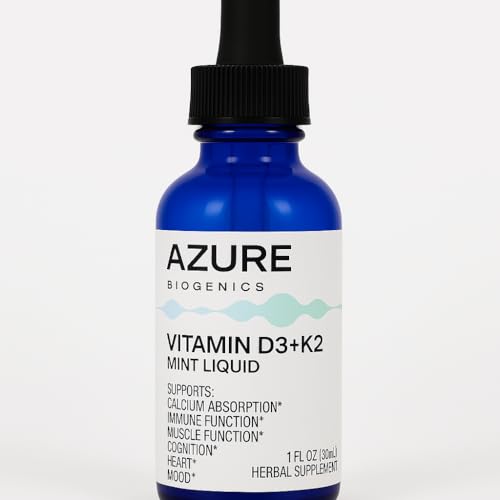
AZURE BIOGENICS
Bones * Immunity * Heart * Circulation


THORNE
Methylation * Heart * Nerves * Sleep * Blood Cells

AZURE BIOGENICS
Energy * Nerves * Mood * Cognition * 500 mcg

PURE ENCAPSULATIONS
G.I. Tract * Nervous System * Fetal Development * Cellular Support
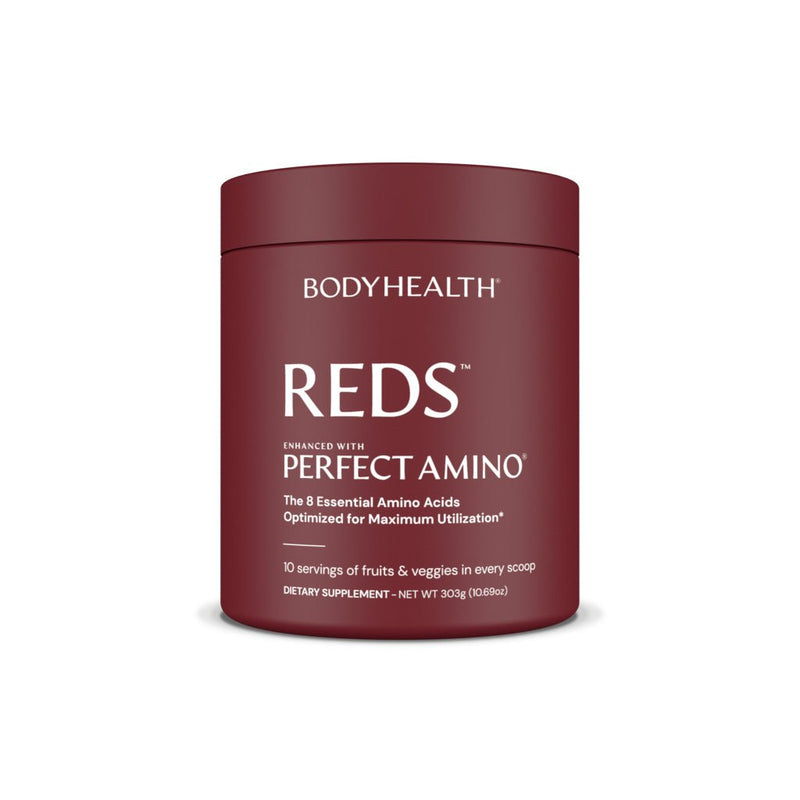
BODY HEALTH
Antioxidant * Mental Focus * Stress * Immunity

FOUR SIGMATIC
Sleep * Stress * Blueberry Flavor * Relaxation * Caffeine-Free

SPERAX
2.5HP Silent Motor * Easy to Move * Non-Slip Belt * 3 Modes

PROSOURCEFIT
Doorway Mount * Adjustable * 24"-39" * Comfort Grips * 220lbs

LIFEPRO
Workouts * Body Vibration * Pain * Balance * Strength

TANGRAM
LED Display * Sync with App * Track Jumps Mid-Air * Cardio Training

LC-DOLIDA
Bluetooth * Wireless * Ultra-Thin * Side Sleepers

BC BELLA COTERIE
King Size * Organic * Calming * Ultra Soft * Hypoallergenic

LISENWOOD
Engromic Design * Washable * Memory Foam

DR. DENNIS
Wrinkles * Firming * Skin Tone * Collagen * Acne

BESTQOOL
Pain * Muscles * Skin * Circulation * Wounds

MEGELIN
Full Body Relief * Relaxation * Calmness * Skin Rejuvenation

YOOWIND
Cold Plunge * Recovery * XXL (150G) * Inflatable

THE COLDEST WATER
Full Body * Swelling * Bruises * Surgery * Cramps

CALMMAX
Cover Incl. * Athletics Version * Portable * Cold Plunge * 130 Gal

BLUE WAVE STORE
6 Carbon Heaters * Chromotherapy Lighting * Oxygen Ionizer

EMBR
Stress * Hot Flashes * Night Sweat * Sleep

THERAGUN
Portable * Cold Therapy * Heat Therapy * Pain * Aches






This article provides general information and discussions about health and related subjects. The information and other content provided in this blog, or in any linked materials, are not intended and should not be construed as medical advice, nor is the information a substitute for professional medical expertise or treatment.
How To Improve Mitochondrial Function FAQ
What are mitochondria and why are they important?
Mitochondria are tiny organelles in your cells that produce ATP, the energy your body needs for daily function.
How can I naturally improve mitochondrial function?
You can boost mitochondrial function through intermittent fasting, exercise, sleep, and nutrient-rich foods like leafy greens and healthy fats.
What are the best supplements for mitochondrial health?
Some top supplements include CoQ10, NAD+, alpha-lipoic acid, and magnesium, which all support mitochondrial repair and energy production.
Does stress affect mitochondria?
Yes! Chronic stress raises cortisol levels, which can damage mitochondria over time. Meditation and breathwork can help counteract this.