

WELLNESS SIMPLIFIED / BODY / EYE HEALTH
WHAT IF SUPPORTING YOUR VISION STARTED WITH UNDERSTANDING WHAT YOUR EYES REALLY NEED?
Your eyes are working from the moment you wake up. Reading messages, working on screens, recognizing faces, and taking in the world around you.
As we get older, those everyday tasks can start to feel different. Maybe you’re holding your phone farther away or noticing tired eyes after a long day.
Here’s how to protect your vision with practical eye-care habits and a closer look at the nutrients involved in normal eye function, including lutein, zeaxanthin, vitamin A, EPA, and DHA.
THE SHORTCUT / ARTICLE SUMMARY
THE EYE-HEALTH INGREDIENT EDIT
Your eyes depend on specialized structures and essential nutrients to function normally.
Lutein and zeaxanthin are concentrated in the macula, vitamin A supports normal vision, and DHA is an important structural component of retinal tissue.
We’ll explore these nutrients, the science behind them, and simple habits that help support eye health.
WHAT’S INSIDE THIS ARTICLE
Shop the Protocol • Eye Formula • Omega-3 • Eyes + Brain • Checklist • FAQs
SHOP THE PROTOCOL
A few practical resources and optional products related to this article.
PROTECT YOUR EYES
SCREEN COMFORT
Phone Screen Protector • Blue-Light Glasses • Monitor/Laptop Protector
NOURISH YOUR VISION
Blue-light filters are optional and have not consistently been shown to reduce digital eye strain. Supplements aren’t substitutes for medical eye care.
INGREDIENT SPOTLIGHT / WOMEN’S VITALITY COMPLEX
MEET THE EYE FORMULA.
Women’s Vitality Complex is a multivitamin, mineral, and probiotic supplement containing an eye-focused blend of lutein, zeaxanthin, and lycopene.
The formula also includes vitamins involved in everyday nutritional health, including vitamins A, C, and E. Here’s why these nutrients matter.
LUTEIN / THE MACULAR PIGMENT
Lutein is a carotenoid found in kale, spinach, and other leafy vegetables. It’s concentrated in the macula, the part of your retina involved in detailed central vision.
ZEAXANTHIN / CENTRAL VISION
Zeaxanthin works alongside lutein as part of macular pigment. These pigments absorb some short-wavelength light and are naturally present in retinal tissue.
LYCOPENE / ANTIOXIDANT NUTRITION
Lycopene is a carotenoid found in foods such as tomatoes. It has antioxidant properties, although direct clinical evidence that lycopene supplements improve vision remains limited.
VITAMINS A, C + E
Vitamin A is essential for normal vision, including low-light vision. Vitamins C and E contribute antioxidant functions. Adequate intake matters, but more isn’t automatically better.
THE SCIENCE, SIMPLIFIED
HOW MACULAR PIGMENTS FIT INTO VISION
A normal biological role does not guarantee that taking a supplement improves eyesight.
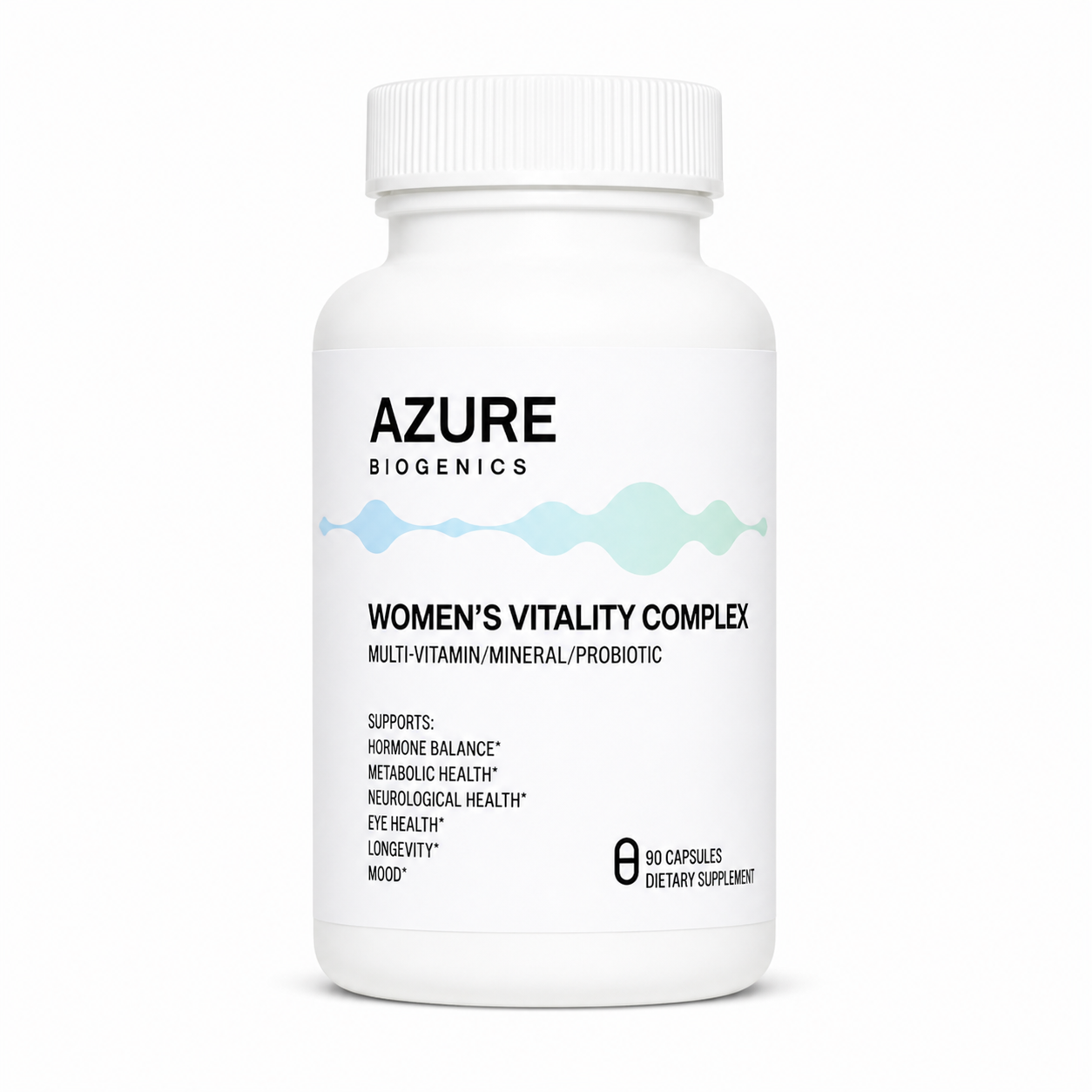 |
FORMULA SPOTLIGHT WOMEN’S VITALITY COMPLEX Multivitamin, mineral, and probiotic formula with an eye-focused nutrient blend. |
WHY DHA MATTERS TO THE RETINA.
Omega-3 fatty acids are known for their roles in overall health. One of them, DHA, also has an important structural role in the eye.
DHA / A RETINAL BUILDING BLOCK
DHA is found in high concentrations in retinal cell membranes, particularly those involved in detecting light. It’s also an important component of brain tissue.
That makes DHA biologically important for normal retinal structure. However, additional DHA from supplements has not been proven to sharpen eyesight in otherwise healthy adults.
EPA / ANOTHER OMEGA-3 FATTY ACID
EPA participates in pathways involved in the body’s inflammatory responses. Researchers have studied EPA and DHA for several health outcomes, including dry-eye symptoms.
Results for dry-eye supplementation remain mixed. In the major AREDS2 study, adding omega-3 supplements did not reduce progression to advanced age-related macular degeneration.
EPA + DHA / TWO DIFFERENT ROLES
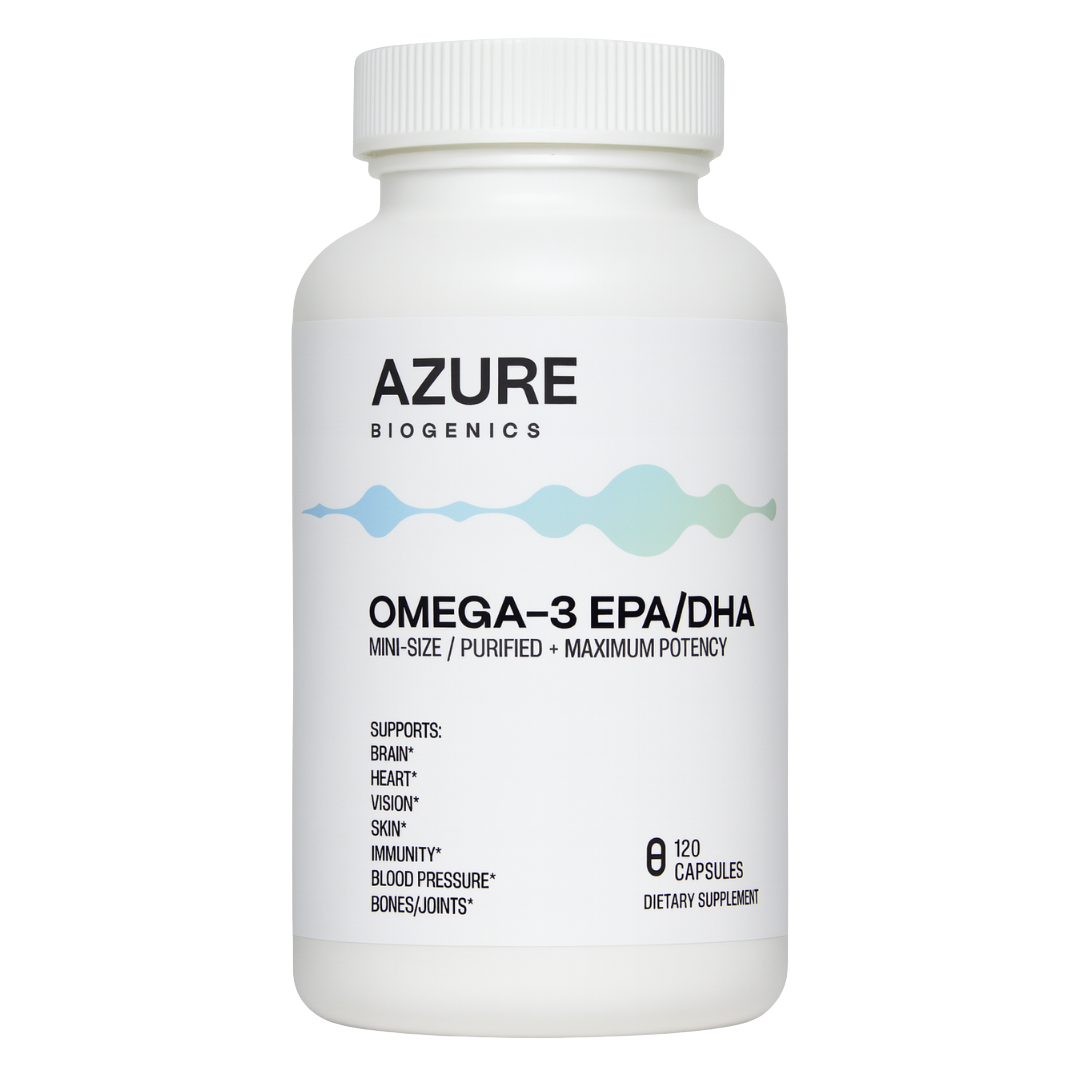 |
FORMULA SPOTLIGHT OMEGA-3 EPA/DHA EPA and DHA fatty acids from fish oil in mini-size softgels. |
THE SCIENCE / EYES + BRAIN
YOUR EYES + BRAIN ARE A TEAM.
Your retina is part of the nervous system. It converts incoming light into signals that travel through the optic nerve to your brain.
Your brain processes those signals, helping you recognize faces, notice movement, and understand your surroundings.
Your eyes also help regulate your body’s internal clock. Light detected by the eyes contributes to the timing of sleep and wakefulness.
HOW YOUR EYES TALK TO YOUR BRAIN
YOUR DAILY EYE-CARE RESET
5 HABITS WORTH KEEPING.
Ingredients are only part of eye health. These everyday habits matter just as much.
YOUR EYE-CARE CHECKLIST
01 / GET CHECKED. Follow the eye-exam schedule recommended for you.
02 / PROTECT AGAINST UV. Choose sunglasses with verified 99–100% UVA/UVB protection.
03 / REST YOUR EYES. Every 20 minutes, look about 20 feet away for 20 seconds.
04 / EAT YOUR COLORS. Include leafy greens, colorful vegetables, and healthy fats.
05 / SUPPORT GENERAL HEALTH. Address blood pressure, blood sugar, and other risk factors.
IMPORTANT EYE-HEALTH SAFETY NOTE
Sudden vision loss, severe eye pain, new flashes with many floaters, or a curtain-like shadow over your vision requires urgent medical attention.
Before adding supplements, discuss medications, allergies, and medical conditions with your healthcare professional. Fish-oil supplements may be unsuitable for people with fish allergies.
THE QUICK ANSWERS
FAQ: FREQUENTLY ASKED QUESTIONS
What is lutein?
A carotenoid found in leafy greens and in the macular pigment of the retina.
What does zeaxanthin do?
It contributes to macular pigment, which absorbs some short-wavelength light.
Does lycopene improve vision?
Clinical evidence that lycopene supplements directly improve eyesight remains limited.
Why is vitamin A important?
Vitamin A is essential for normal vision, particularly in low-light conditions.
Why is DHA important for the retina?
DHA is a major structural fatty acid in retinal cell membranes.
Do omega-3 supplements prevent AMD?
AREDS2 research did not demonstrate an added benefit against progression to advanced AMD.
Are blue-light glasses necessary?
Evidence hasn’t consistently shown that they prevent digital eye strain or eye disease.
Can supplements replace eye exams?
No. Eye exams help detect conditions that may develop without noticeable early symptoms.
What is the 20-20-20 rule?
Every 20 minutes, look about 20 feet away for at least 20 seconds.
How can I protect my vision?
Get eye exams, protect against UV exposure, eat well, and manage health conditions that affect your eyes.
KNOW THE INGREDIENTS. KEEP THE HABITS.
Lutein, zeaxanthin, vitamin A, and DHA each play different roles in normal eye function. Understanding those roles can help you make more informed nutritional choices.
But supporting your eyes is about more than supplements. Eye exams, UV protection, nutritious foods, screen breaks, and healthy daily routines remain the foundation.
Start with one small habit today. Share this article with a friend who could use a little eye-care encouragement.
Together we rise. As a community, we thrive.
GOOD ADVICE. LESS NOISE.
Practical wellness information, research-aware tips, and everyday shortcuts.
Medical Disclaimer: This article provides general information about health and related subjects. It is not intended as medical advice or a substitute for professional diagnosis or treatment. Consult your healthcare provider about medical concerns. Never disregard professional medical advice because of something you’ve read here.
These statements have not been evaluated by the Food and Drug Administration. The products mentioned are not intended to diagnose, treat, cure, or prevent any disease.
FTC Disclosure: This article contains affiliate links, including Caddis and Amazon links. We may earn a commission from qualifying purchases at no additional cost to you.
REFERENCES + SCIENCE SOURCES (CLICK TO EXPAND)
- National Eye Institute. Keep Your Eyes Healthy.
- National Eye Institute. AREDS and AREDS2 Clinical Trials.
- National Eye Institute. Nutritional Supplements for AMD.
- Singh S, et al. Blue-light filtering spectacle lenses for visual performance, sleep, and macular health in adults. Cochrane Database of Systematic Reviews, 2023. DOI: 10.1002/14651858.CD013244.pub2.
We regularly review this article for accuracy. Last updated: October 21, 2026.